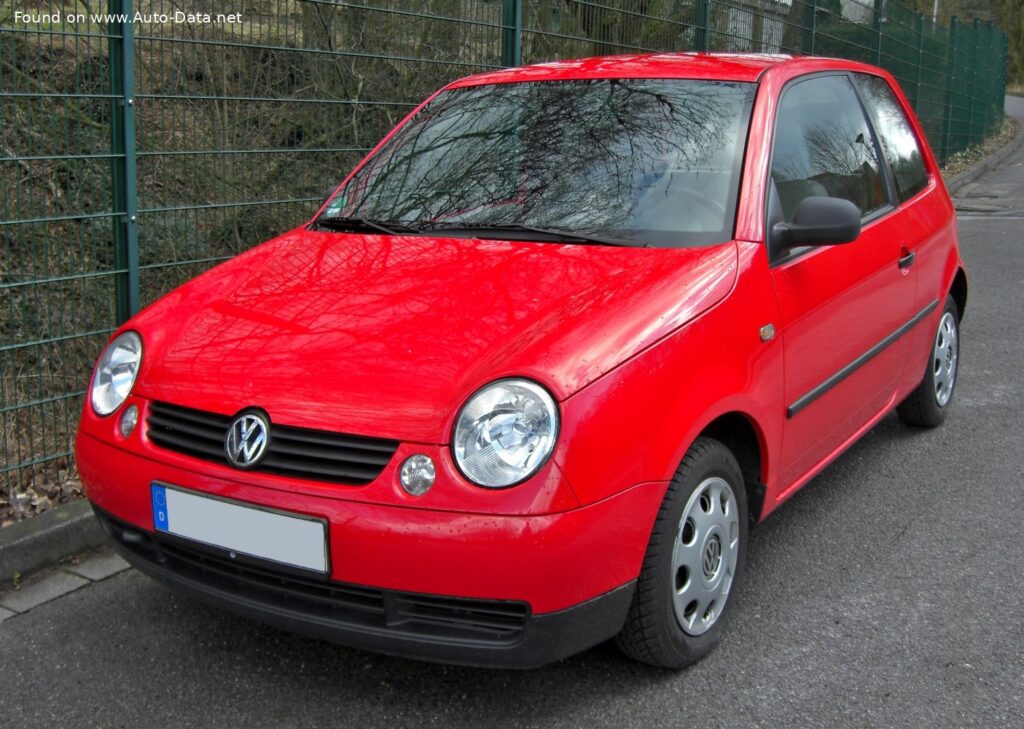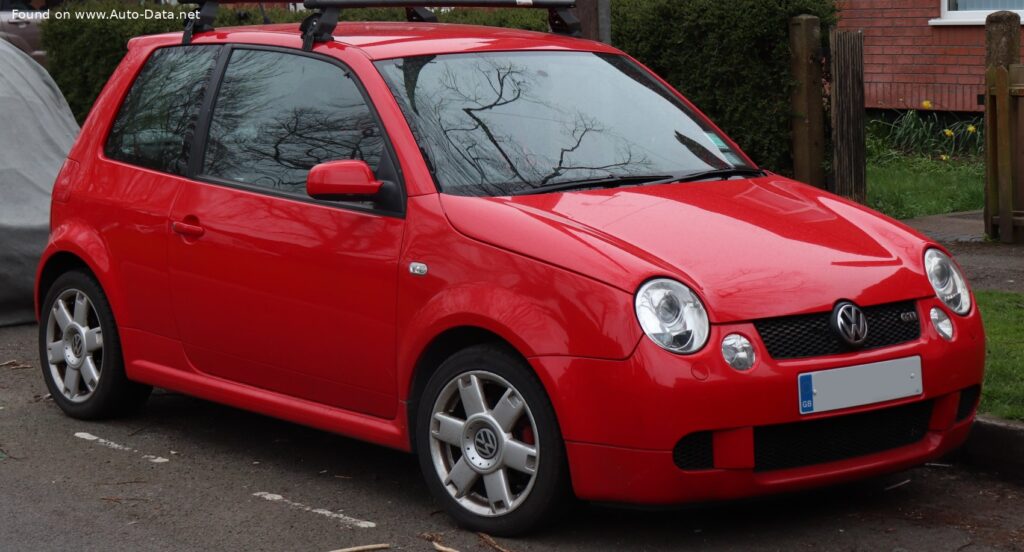
The Volkswagen Lupo 1.6 i 16V GTI, produced between 2001 and 2005, represents the performance-oriented pinnacle of the 6X Lupo generation. Positioned as the flagship model, the GTI offered a significant upgrade over the base Lupo trims, appealing to enthusiasts seeking a nimble and engaging driving experience in a small package. Built on the Volkswagen A04 platform (internally designated 6X), the Lupo GTI aimed to deliver a blend of practicality, affordability, and sporty character. It was a direct competitor to vehicles like the Renault Clio Renaultsport and Peugeot 206 GTI, offering a unique take on the lightweight hot hatch formula.
Powertrain & Engine Architecture
The heart of the Lupo GTI is the AVY engine code, a 1.6-liter inline-four cylinder gasoline engine. This engine is a naturally aspirated unit, featuring a cast iron block and an aluminum cylinder head. It boasts 16 valves – four per cylinder – operated by a double overhead camshaft (DOHC) valvetrain. The engine utilizes multi-port fuel injection, delivering fuel directly into the intake ports. This system, while not as advanced as direct injection, provided reliable and predictable performance. The compression ratio is set at 11.5:1, contributing to the engine’s spirited nature.
While the Lupo was also offered with smaller displacement engines and a diesel option, the 1.6 GTI was unique in its application. The engine produces 125 horsepower at 6500 rpm and 152 Nm (112.11 lb-ft) of torque at 3000 rpm. The engine’s power-to-liter ratio is a respectable 78.2 hp/liter. The AVY engine is known for its relatively robust construction, though regular maintenance is crucial for longevity. Unlike some contemporary performance engines, the Lupo GTI’s engine does not feature variable valve timing.
The engine is paired exclusively with a 6-speed manual transmission. This gearbox was specifically chosen to complement the engine’s power band and provide precise gear changes. The transmission features close ratios, enhancing acceleration and driver engagement. There was no automatic transmission option available for the Lupo GTI, reinforcing its focus on the driving enthusiast.
Engine Specifications (AVY)
- Displacement: 1598 cm³ (97.52 cu. in.)
- Cylinder Bore: 76.5 mm (3.01 in.)
- Piston Stroke: 86.9 mm (3.42 in.)
- Compression Ratio: 11.5:1
- Fuel Injection: Multi-port
- Valvetrain: DOHC
Driving Characteristics
The Lupo GTI delivers a surprisingly engaging driving experience, thanks to its lightweight construction and responsive engine. The 6-speed manual transmission allows drivers to keep the engine in its optimal power band, resulting in brisk acceleration. Zero to 62 mph (0-100 km/h) takes approximately 8.2 seconds, and it achieves a maximum speed of 205 km/h (127.38 mph). While these figures aren’t groundbreaking by modern standards, they are impressive for a car of this size and weight.
The close-ratio gearbox and relatively short final drive contribute to the GTI’s lively feel. The engine feels eager to rev, and the power delivery is linear. Compared to the standard Lupo models with smaller engines, the GTI offers a substantial performance upgrade. It also feels more refined and capable than some of its competitors, such as the base model Renault Clio. The Lupo GTI doesn’t possess the raw power of larger hot hatches, but its agility and responsiveness make it a rewarding car to drive on twisty roads.
Equipment & Trim Levels
The Lupo GTI came reasonably well-equipped for its price point. Standard features included sports seats with unique GTI upholstery, a leather-wrapped steering wheel, alloy wheels (typically 15-inch), and air conditioning. The interior featured a sporty design with aluminum trim accents. The dashboard layout was typical of early 2000s Volkswagens, prioritizing functionality over extravagance.
Optional extras included a sunroof, upgraded audio system, and central locking. The GTI trim level was not offered with many individual options, as it was already positioned as the premium variant. The focus was on providing a complete and well-rounded package rather than allowing extensive customization. The exterior styling was subtly enhanced with a unique front bumper, side skirts, and a rear spoiler, differentiating it from the standard Lupo models.
Chassis & Braking
The Lupo GTI’s chassis is based on the standard Lupo platform, but with several key upgrades. The suspension features stiffer springs and dampers, lowering the ride height and improving handling. The front suspension utilizes coil springs, while the rear employs a trailing arm setup. The GTI also benefits from a thicker stabilizer bar, further reducing body roll.
Braking duties are handled by ventilated discs on the front wheels and solid discs on the rear. Anti-lock Braking System (ABS) was standard equipment. While the braking performance is adequate for the car’s weight and performance, it’s not as powerful as some of its more modern competitors. The steering is a hydraulic power steering system, providing a direct and responsive feel.
Market Reception & Comparison
The Lupo GTI was generally well-received by automotive critics. It was praised for its nimble handling, responsive engine, and overall fun-to-drive character. However, some critics noted that the engine lacked the outright power of some of its rivals. Fuel economy was a strong point, with combined fuel consumption figures around 7 l/100 km (33.6 US mpg). Reliability was generally good, although regular maintenance was essential to prevent issues.
Compared to other Lupo trims, the GTI offered a significant performance upgrade and a more engaging driving experience. It was more expensive than the base models, but the added performance and features justified the price for many enthusiasts. Compared to competitors like the Renault Clio Renaultsport, the Lupo GTI offered a more refined and comfortable ride, but lacked the same level of raw performance.
Technical Specifications
| Brand | Volkswagen |
| Model | Lupo |
| Generation | Lupo (6X) |
| Type (Engine) | 1.6 i 16V GTI (125 Hp) |
| Start of production | 2001 year |
| End of production | 2005 year |
| Fuel consumption (economy) – urban | 10 l/100 km (23.5 US mpg) |
| Fuel consumption (economy) – extra urban | 5.3 l/100 km (44.4 US mpg) |
| Fuel consumption (economy) – combined | 7 l/100 km (33.6 US mpg) |
| Fuel Type | Petrol (Gasoline) |
| Acceleration 0 – 100 km/h | 8.2 sec |
| Acceleration 0 – 62 mph | 8.2 sec |
| Acceleration 0 – 60 mph | 7.8 sec |
| Maximum speed | 205 km/h (127.38 mph) |
| Weight-to-power ratio | 7.8 kg/Hp |
| Weight-to-torque ratio | 6.4 kg/Nm |
| Power | 125 Hp @ 6500 rpm |
| Torque | 152 Nm @ 3000 rpm (112.11 lb.-ft. @ 3000 rpm) |
| Engine layout | Front, Transverse |
| Engine Model/Code | AVY |
| Engine displacement | 1598 cm3 (97.52 cu. in.) |
| Number of cylinders | 4 |
| Engine configuration | Inline |
| Cylinder Bore | 76.5 mm (3.01 in.) |
| Piston Stroke | 86.9 mm (3.42 in.) |
| Compression ratio | 11.5:1 |
| Number of valves per cylinder | 4 |
| Fuel injection system | Multi-port manifold injection |
| Engine aspiration | Naturally aspirated engine |
| Valvetrain | DOHC |
| Engine oil capacity | 3.2 l (3.38 US qt | 2.82 UK qt) |
| Coolant | 6 l (6.34 US qt | 5.28 UK qt) |
| Kerb Weight | 980 kg (2160.53 lbs.) |
| Max. weight | 1320 kg (2910.1 lbs.) |
| Max load | 340 kg (749.57 lbs.) |
| Trunk (boot) space – minimum | 130 l (4.59 cu. ft.) |
| Trunk (boot) space – maximum | 830 l (29.31 cu. ft.) |
| Fuel tank capacity | 34 l (8.98 US gal | 7.48 UK gal) |
| Length | 3527 mm (138.86 in.) |
| Width | 1640 mm (64.57 in.) |
| Height | 1460 mm (57.48 in.) |
| Wheelbase | 2323 mm (91.46 in.) |
| Number of gears and type of gearbox | 6 gears, manual transmission |
Legacy
The Lupo GTI remains a popular choice among enthusiasts seeking a fun and affordable hot hatch. The AVY engine, while not without its quirks, is generally considered reliable when properly maintained. Parts availability is reasonable, although some components may be becoming increasingly difficult to find. The Lupo GTI’s lightweight construction and engaging driving dynamics continue to appeal to drivers who appreciate a more analog driving experience. In the used car market, well-maintained examples command a premium, reflecting the car’s enduring appeal and cult following. It is often seen as a more focused and engaging alternative to larger, more common hot hatches of the era.