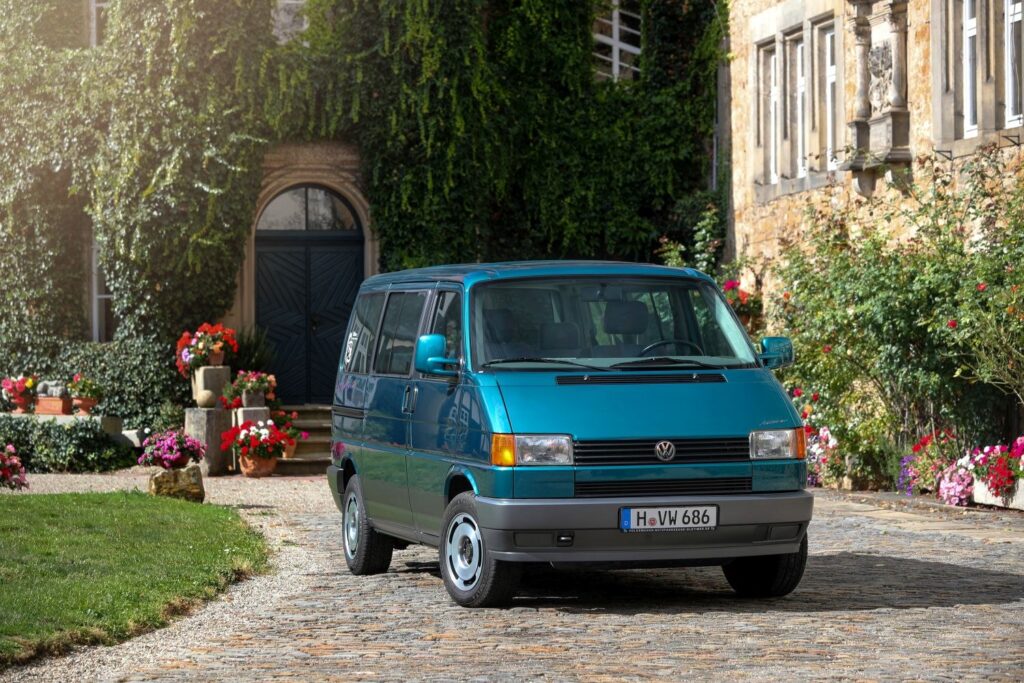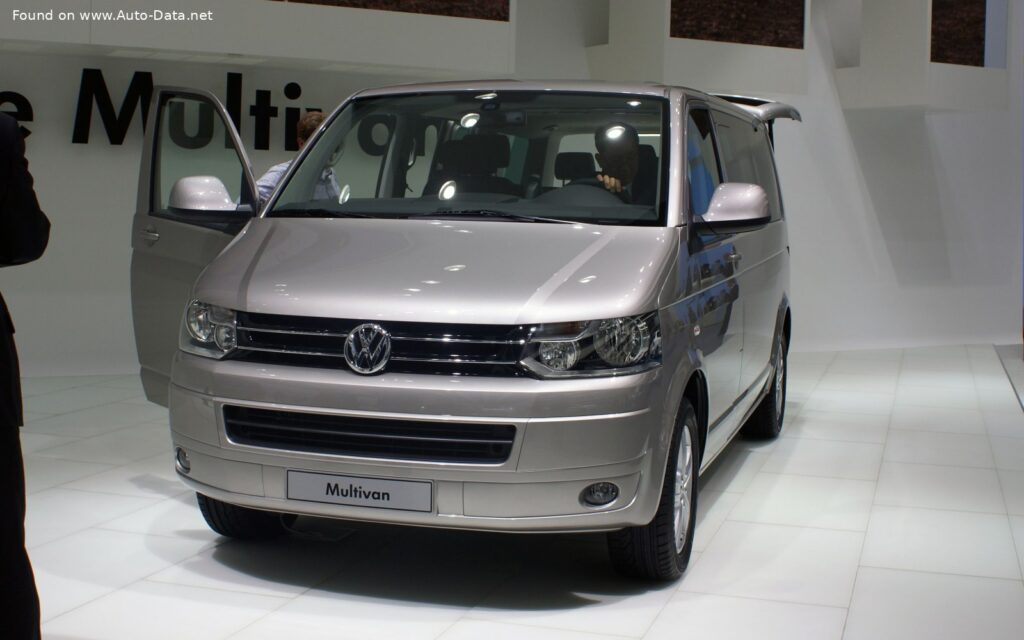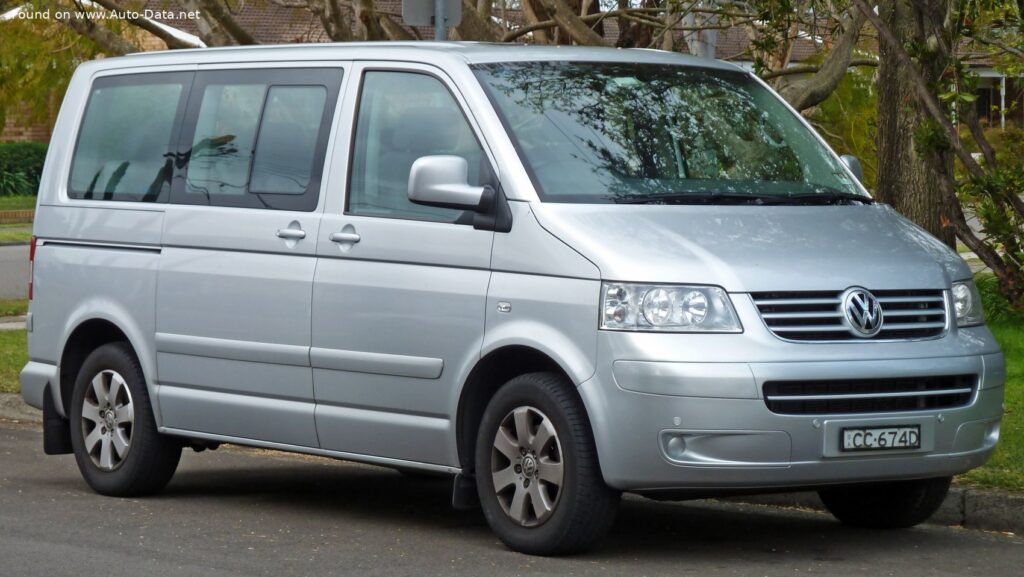
The Volkswagen Multivan (T5) 1.9 TDI, producing 105 horsepower, was a popular configuration of the fifth-generation Multivan, manufactured from 2003 to 2009. Positioned as an entry-level to mid-range option within the T5 lineup, it offered a balance of practicality, fuel efficiency, and affordability for families and commercial users. The T5 generation represented a significant evolution of the iconic Volkswagen Transporter, moving towards a more car-like driving experience and increased comfort while retaining its core functionality as a versatile people carrier. This specific variant was built on the 1HX0/A3 platform, shared with other Volkswagen Group vehicles like the Golf and Bora.
Powertrain & Engine Architecture
The heart of the Multivan T5 1.9 TDI (105 hp) is the EA188 series 1.9-liter inline-four cylinder diesel engine, specifically the AXB engine code. This engine is a turbocharged diesel, utilizing a pump-nozzle (unit injector) fuel injection system developed by Bosch. This system delivers highly pressurized fuel directly into the combustion chamber, improving combustion efficiency and reducing emissions compared to older indirect injection systems. The engine features a single overhead camshaft (SOHC) operating two valves per cylinder. The turbocharger, coupled with an intercooler, forces more air into the engine, boosting power output. Bore and stroke dimensions are 79.5 mm (3.13 in) and 95.5 mm (3.76 in) respectively, resulting in a displacement of 1896 cm³ (115.7 cu. in). Compression ratio is a relatively high 18:1, typical for diesel engines.
The 105 hp variant was almost exclusively paired with a five-speed automatic transmission. This transmission, while providing convenience, was not known for its sportiness or rapid shifting. It was selected to appeal to buyers prioritizing ease of use over performance. The automatic transmission was a conventional hydraulic control unit, lacking the more advanced electronic controls found in later transmissions. The engine oil capacity is 5.8 liters (6.13 US qt | 5.1 UK qt), and the recommended oil specification varies depending on the year of manufacture, but generally falls within VW’s long-life oil standards.
Engine Specifications (AXB)
- Displacement: 1.9 L (1896 cm³) / 115.7 cu. in.
- Configuration: Inline-4
- Fuel Injection: Pump-Nozzle (Unit Injector)
- Valvetrain: SOHC, 2 valves/cylinder
- Turbocharger: Yes, with Intercooler
- Maximum Power: 105 hp @ 3500 rpm
- Maximum Torque: 250 Nm (184.39 lb-ft) @ 2000 rpm
Driving Characteristics
The Multivan T5 1.9 TDI (105 hp) with the automatic transmission offered a comfortable, but not particularly exhilarating, driving experience. Acceleration was modest, with a 0-100 km/h (0-62 mph) time of approximately 18.4 seconds. The automatic transmission’s gear ratios were geared towards fuel economy rather than performance. The engine felt strained when fully loaded or climbing hills, requiring frequent downshifts from the automatic transmission. Compared to the more powerful 1.9 TDI variants (130 hp or 150 hp) or the gasoline-powered options, the 105 hp version felt significantly slower. The manual transmission versions of the 1.9 TDI offered a more engaging driving experience and slightly improved fuel economy, but the automatic was favored by many for its convenience, especially in urban environments. The front-wheel-drive configuration provided adequate traction in most conditions, but could struggle in slippery conditions with a heavy load.
Equipment & Trim Levels
The 1.9 TDI (105 hp) Multivan typically served as the base trim level, offering a solid foundation of features. Standard equipment generally included power windows, central locking, power steering, and an adjustable steering wheel. Interior upholstery was typically cloth, with a durable and practical design. The dashboard layout was functional and straightforward, prioritizing usability over aesthetics. Optional extras included air conditioning, alloy wheels, a CD stereo system, parking sensors, and upgraded interior trim. Higher trim levels, such as the Comfortline and Highline, added features like climate control, upgraded audio systems, and leather upholstery. The Multivan’s modular seating arrangement was a key selling point, allowing for flexible configurations to accommodate passengers and cargo. The standard seating configuration accommodated seven passengers, but seats could be removed or folded to create more space.
Chassis & Braking
The Multivan T5 1.9 TDI (105 hp) utilized an independent suspension system on both the front and rear axles. The front suspension employed a McPherson strut design with coil springs and an anti-roll bar, while the rear suspension featured a trailing arm setup with coil springs and a transverse stabilizer. This suspension configuration provided a reasonable balance of ride comfort and handling. Braking duties were handled by ventilated disc brakes on all four wheels, providing adequate stopping power for the vehicle’s weight. An Anti-lock Braking System (ABS) was standard equipment. The curb weight of approximately 2199 kg (4847.97 lbs) influenced the suspension tuning and braking performance. The front track and rear track were both 1628 mm (64.09 in). Steering was rack and pinion with hydraulic power assistance.
Market Reception & Comparison
The Volkswagen Multivan T5 1.9 TDI (105 hp) was generally well-received by critics as a practical and versatile people carrier. Its fuel economy, averaging around 7.7 l/100 km (30.5 US mpg), was a significant selling point, particularly in Europe where diesel fuel was more affordable. However, the 105 hp engine was often criticized for being underpowered, especially when the vehicle was fully loaded. Compared to the higher-output TDI variants, the 105 hp version offered a lower purchase price but compromised on performance. Reliability was generally good, although the automatic transmission could be prone to issues if not properly maintained. The 1.9 TDI engine itself was known for its durability, but regular servicing and adherence to Volkswagen’s maintenance schedule were crucial for long-term reliability. The Multivan T5 faced competition from other MPVs such as the Ford Galaxy, Renault Espace, and Citroën C8.
Technical Specifications
| Brand | Volkswagen |
| Model | Multivan |
| Generation | Multivan (T5) |
| Engine Type | 1.9 TDI (105 Hp) |
| Production Years | 2003 – 2009 |
| Body Type | Minivan |
| Seats | 7 |
| Doors | 5 |
| Fuel Consumption (Urban) | 9.5 l/100 km (24.8 US mpg) |
| Fuel Consumption (Extra Urban) | 6.7 l/100 km (35.1 US mpg) |
| Fuel Consumption (Combined) | 7.7 l/100 km (30.5 US mpg) |
| CO2 Emissions | 208 g/km |
| Fuel Type | Diesel |
| Acceleration 0-100 km/h | 18.4 sec |
| Maximum Speed | 159 km/h (98.8 mph) |
| Engine Code | AXB |
| Engine Displacement | 1896 cm³ (115.7 cu. in.) |
| Power | 105 Hp @ 3500 rpm |
| Torque | 250 Nm (184.39 lb-ft) @ 2000 rpm |
| Kerb Weight | 2199 kg (4847.97 lbs) |
| Max. Weight | 3000 kg (6613.87 lbs) |
| Fuel Tank Capacity | 80 l (21.13 US gal) |
| Length | 4890 mm (192.52 in) |
| Width | 1904 mm (74.96 in) |
| Height | 1944 mm (76.54 in) |
| Wheelbase | 3000 mm (118.11 in) |
| Gearbox | 5-speed Automatic |
Legacy
The Volkswagen Multivan T5 1.9 TDI (105 hp) remains a relatively common sight on used car markets today. The 1.9 TDI engine, while not the most powerful option, is generally considered reliable and durable, provided it has been well-maintained. The automatic transmission can be a potential weak point, and prospective buyers should carefully inspect its condition. The Multivan T5’s versatility and spacious interior continue to make it a popular choice for families and those requiring a practical vehicle for both work and leisure. Its relatively simple mechanical design, compared to more modern vehicles, makes it easier and more affordable to repair. However, potential buyers should be aware of the age-related issues common to vehicles of this era, such as corrosion and wear and tear on suspension components.