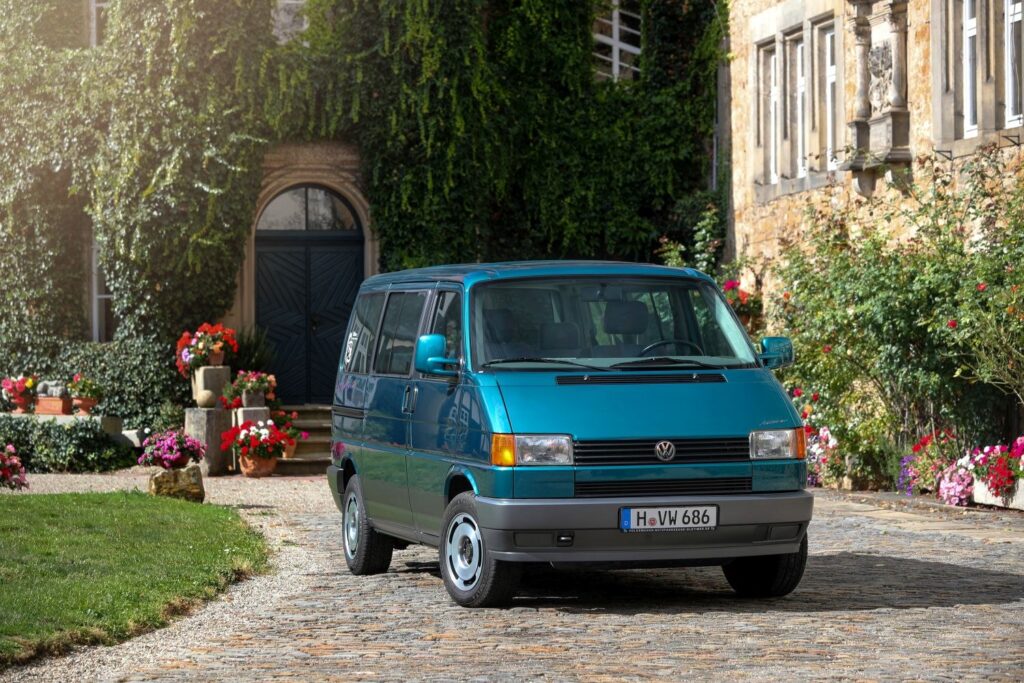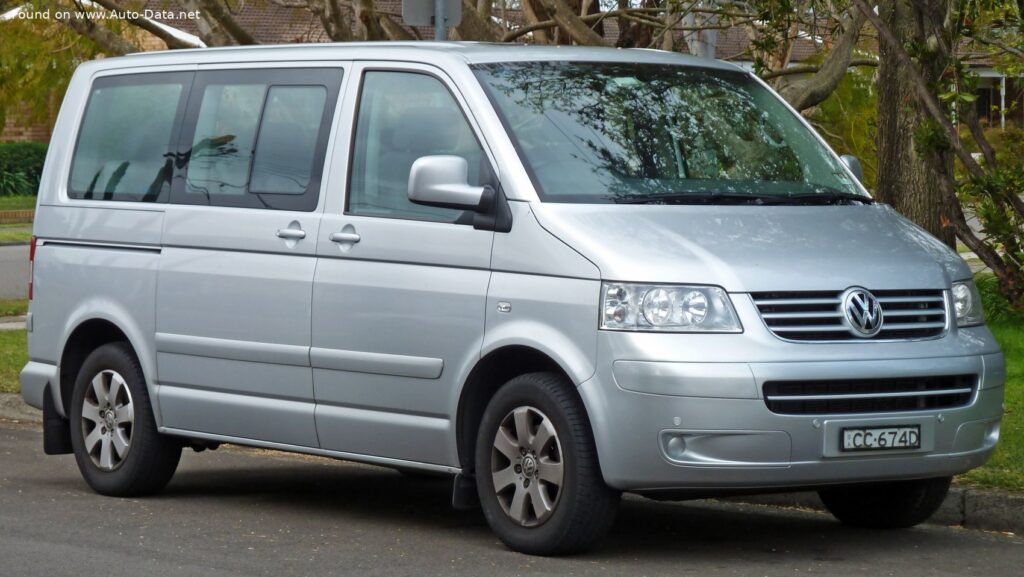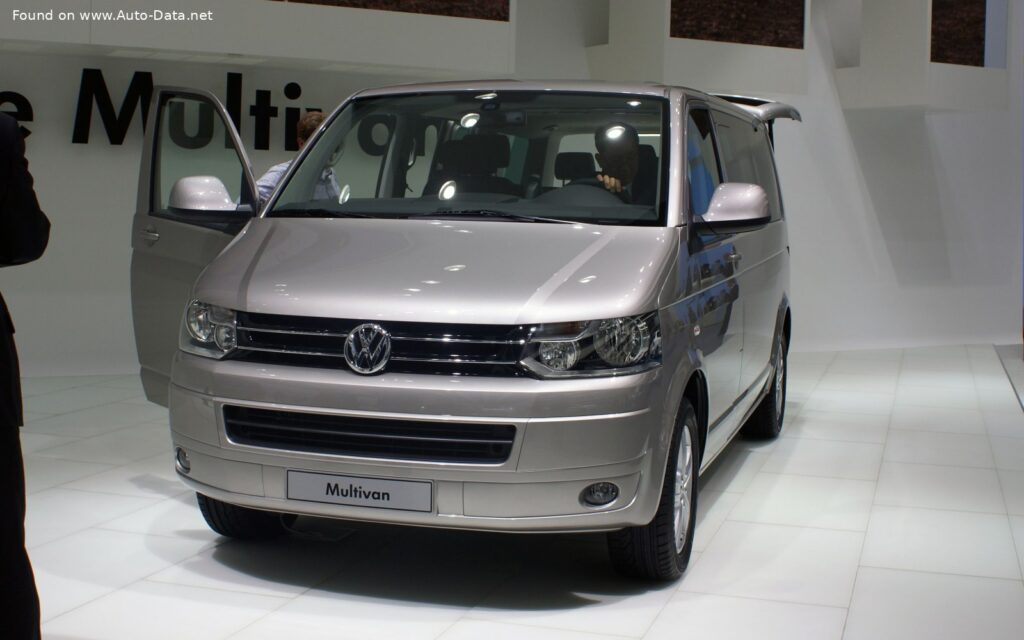
The Volkswagen Multivan (T5, facelift 2009) 2.0 TDI (114 hp) represents a significant iteration of Volkswagen’s popular commercial vehicle, bridging the gap between a traditional van and a comfortable people carrier. Introduced in 2011 and continuing through 2015, this variant occupied a middle ground within the T5 facelift range, offering a balance of fuel efficiency, practicality, and affordability. It was positioned below the more powerful TDI variants and above the base petrol engines, targeting families and businesses seeking a versatile vehicle for both passenger transport and light commercial duties. The Multivan T5, internally designated the 7HM series, benefited from a substantial refresh in 2009, improving both aesthetics and functionality, and the 2.0 TDI 114 hp model became a mainstay of the lineup during the latter part of the T5’s production run.
Powertrain & Engine Architecture
The heart of the Multivan 2.0 TDI (114 hp) is the Volkswagen Group’s EA189 series 2.0-liter inline four-cylinder diesel engine, specifically the CAAD engine code. This engine utilizes a common rail direct injection system, delivering fuel at extremely high pressure directly into the combustion chamber for improved efficiency and reduced emissions. The CAAD engine features a turbocharger with an intercooler, boosting power output and enhancing torque across a wider RPM range. The engine employs four valves per cylinder (DOHC) and is transversely mounted at the front of the vehicle.
While the Multivan T5 was offered with both manual and automatic transmissions, this specific 114 hp variant was primarily paired with a 5-speed automatic transmission (typically the 09G). This transmission was chosen to provide ease of use, particularly in urban environments and for drivers less familiar with manual gearboxes. The 09G automatic is a conventional torque converter automatic, known for its relatively smooth operation but also for potential reliability concerns with age and high mileage, particularly regarding the mechatronic unit. The gear ratios are optimized for fuel economy and everyday drivability rather than outright performance.
Engine Specifications (CAAD)
- Displacement: 1,968 cc (120.09 cu in)
- Configuration: Inline-4
- Valvetrain: DOHC, 4 valves per cylinder
- Fuel Injection: Common Rail Direct Injection
- Turbocharger: Yes, with Intercooler
- Maximum Power: 114 hp @ 3500 rpm
- Maximum Torque: 250 Nm (184.39 lb-ft) @ 1500-2750 rpm
Driving Characteristics
The 2.0 TDI 114 hp Multivan, when equipped with the 5-speed automatic transmission, delivers a driving experience focused on practicality and fuel efficiency rather than spirited performance. Acceleration is modest, with a 0-62 mph (0-100 km/h) time of approximately 16.9 seconds. The engine’s torque peak, available from 1500-2750 rpm, provides adequate pulling power for everyday driving and moderate loads. However, overtaking maneuvers require careful planning, and the vehicle can feel strained when fully loaded or climbing steep inclines.
The automatic transmission’s gear ratios are spaced to prioritize fuel economy, resulting in a relatively relaxed cruising experience. However, the transmission can sometimes feel hesitant during downshifts, and it lacks the responsiveness of more modern automatic gearboxes. Compared to the more powerful TDI variants (like the 140 hp or 180 hp versions), the 114 hp model feels noticeably slower and less capable. The manual transmission versions of this engine offered slightly improved acceleration and fuel economy, but at the cost of driver convenience.
Equipment & Trim Levels
The Multivan 2.0 TDI (114 hp) typically came with a reasonable level of standard equipment, reflecting its position as a mid-range offering. Standard features generally included air conditioning, power windows, power mirrors, a basic audio system (often with CD player and MP3 compatibility), and central locking. Interior upholstery was typically cloth, with options for upgraded materials and leather available at extra cost. The dashboard layout was functional and straightforward, prioritizing usability over luxury.
Optional extras commonly included features such as a navigation system, parking sensors, upgraded audio systems, alloy wheels, and a multi-function steering wheel. Higher trim levels, often denoted by specific package names, added features like climate control, heated seats, and more premium interior trim. The Multivan’s modular seating system allowed for flexible configurations, accommodating between five and seven passengers depending on the chosen layout. The rear seats could often be folded, removed, or even rotated to create different seating arrangements.
Chassis & Braking
The Multivan T5 chassis is based on a reinforced monocoque construction, providing a solid and durable platform. The 2.0 TDI 114 hp model typically featured a MacPherson strut front suspension and a semi-trailing arm rear suspension. The suspension setup was tuned for comfort and ride quality, prioritizing passenger comfort over sporty handling. Stabilizer bars were fitted to both the front and rear axles to reduce body roll during cornering.
Braking systems varied slightly depending on the specific market and trim level. Front brakes were typically ventilated discs, providing good stopping power. Rear brakes were often drum brakes, particularly on lower trim levels, although some variants were equipped with rear disc brakes. Anti-lock Braking System (ABS) was standard across the range. The steering system utilized a rack and pinion setup, offering reasonable precision and feedback.
Market Reception & Comparison
The Volkswagen Multivan 2.0 TDI (114 hp) received generally positive reviews, praised for its practicality, versatility, and fuel efficiency. Critics noted that the 114 hp engine was adequate for most everyday driving tasks, but lacked the punch of the more powerful TDI variants. Fuel economy was a strong point, with combined fuel consumption figures around 6.8 l/100 km (34.6 US mpg).
Compared to other vehicles in its class, such as the Mercedes-Benz Vito and the Ford Transit, the Multivan offered a more refined interior and a more car-like driving experience. However, it was often more expensive than its competitors. Within the Multivan T5 range, the 114 hp TDI offered a compelling value proposition for buyers who prioritized fuel economy and affordability over outright performance. The higher-powered TDI models were favored by those who frequently carried heavy loads or drove long distances.
Technical Specifications
| Brand | Volkswagen |
| Model | Multivan |
| Generation | Multivan (T5, facelift 2009) |
| Engine Type | 2.0 TDI (114 Hp) |
| Production Years | 2011 – 2015 |
| Body Type | Minivan |
| Seats | 5-7 |
| Doors | 5 |
| Fuel Consumption (Urban) | 8.4 l/100 km (28 US mpg) |
| Fuel Consumption (Extra Urban) | 5.9 l/100 km (39.9 US mpg) |
| Fuel Consumption (Combined) | 6.8 l/100 km (34.6 US mpg) |
| CO2 Emissions | 179 g/km |
| Fuel Type | Diesel |
| Acceleration 0-100 km/h | 16.9 sec |
| Acceleration 0-62 mph | 16.9 sec |
| Maximum Speed | 163 km/h (101.28 mph) |
| Emission Standard | Euro 5 |
| Engine Displacement | 1968 cm3 (120.09 cu. in.) |
| Number of Cylinders | 4 |
| Engine Code | CAAD |
| Torque | 250 Nm (184.39 lb.-ft.) @ 1500-2750 rpm |
| Kerb Weight | 2032 kg (4479.79 lbs.) |
| Max. Weight | 3000 kg (6613.87 lbs.) |
| Wheelbase | 3000 mm (118.11 in.) |
| Gearbox | 5 gears, automatic transmission |
Legacy
The Volkswagen Multivan T5 2.0 TDI (114 hp) has proven to be a relatively reliable vehicle, although the EA189 engine series has been subject to scrutiny regarding emissions compliance. The 09G automatic transmission can be prone to issues if not properly maintained. However, with regular servicing and preventative maintenance, these engines can achieve high mileage.
On the used car market, the Multivan T5 2.0 TDI (114 hp) remains a popular choice for families and businesses seeking a versatile and practical vehicle. Its relatively affordable price point, combined with its fuel efficiency and spacious interior, make it an attractive option. However, potential buyers should be aware of the potential maintenance costs associated with the aging automatic transmission and the importance of verifying the vehicle’s service history. The T5 Multivan continues to hold its value well, a testament to its enduring popularity and reputation for quality.