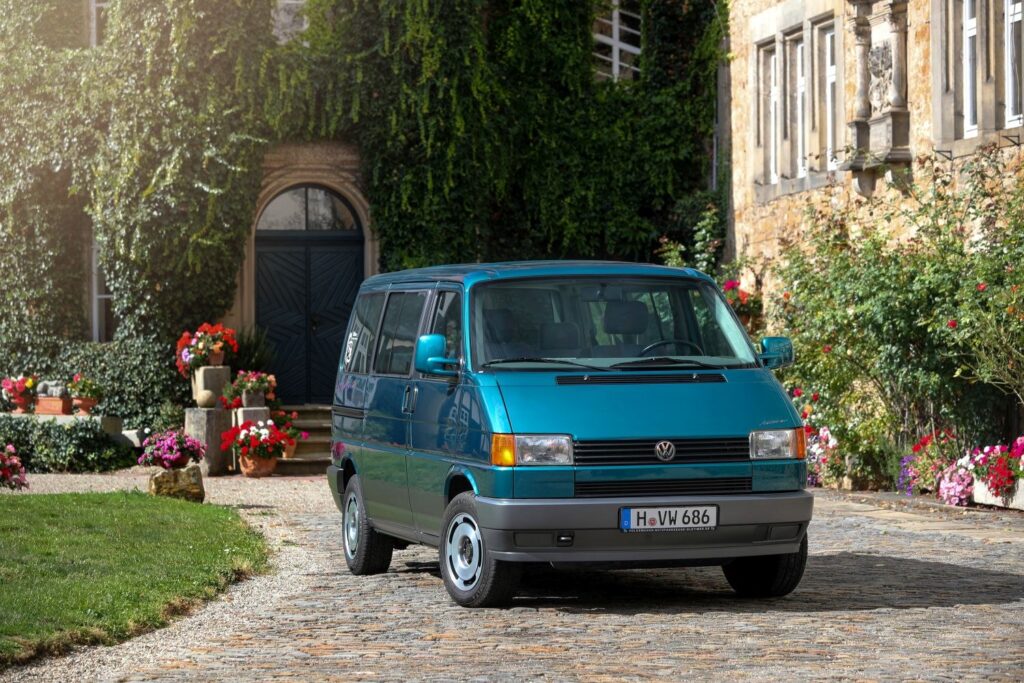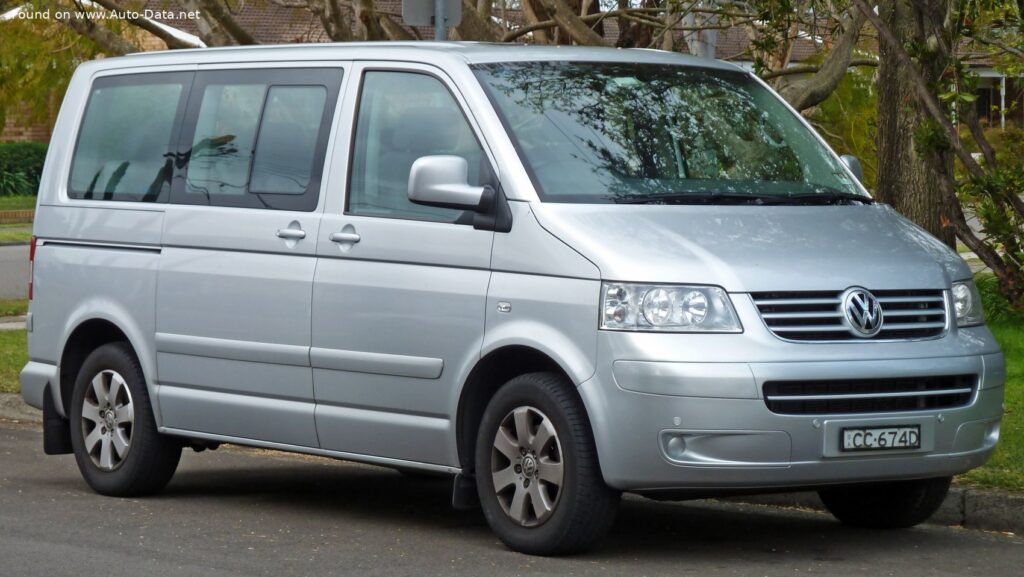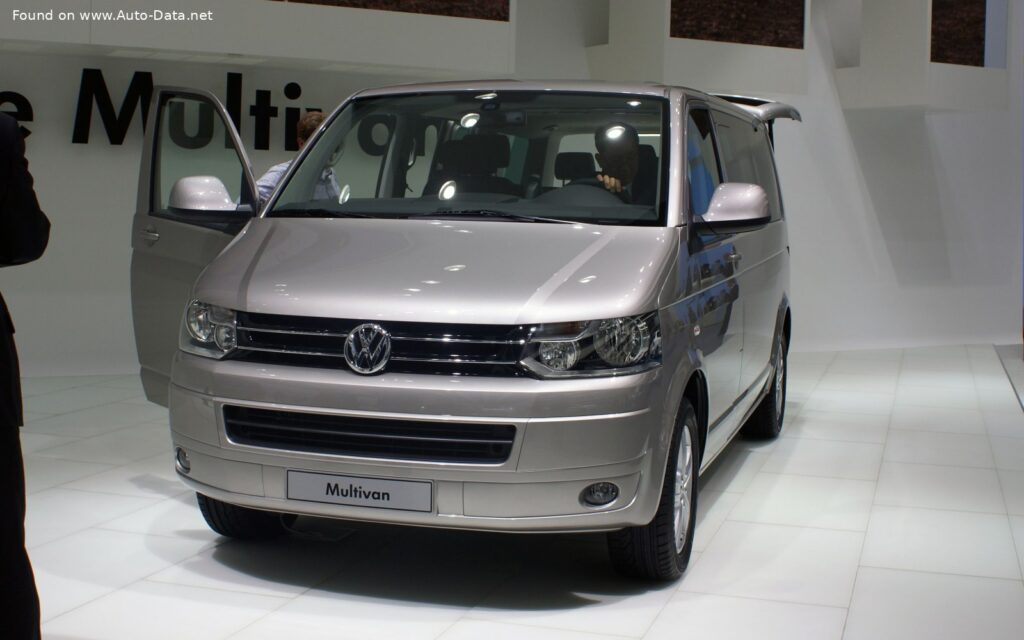
The Volkswagen Multivan (T5), particularly the facelifted version introduced in 2009, represented a significant evolution of Volkswagen’s popular van platform. Produced from 2009 through 2016, the T5 Multivan offered a blend of practicality, comfort, and versatility, catering to families, businesses, and recreational users. Within the T5 range, the 2.0 TDI 140 hp variant occupied a middle ground, providing a balance between fuel efficiency, performance, and cost. It was positioned as a sensible option for those needing a spacious vehicle without the expense of the more powerful engine options.
Volkswagen Multivan T5 (2009-2016) 2.0 TDI 140 hp: An Overview
The T5 facelift, launched in 2009, brought with it revised styling, improved interior appointments, and updated engine options. The 2.0 TDI engine, in its 140 horsepower guise, became a mainstay of the Multivan lineup. This engine was part of Volkswagen’s common rail diesel family, known for its efficiency and relatively low emissions. The Multivan T5, built on the 1HX0/A3 platform, continued the tradition of offering a highly configurable interior, with seating arrangements ranging from five to seven passengers, and a generous cargo capacity. The 2.0 TDI 140 hp model was primarily aimed at buyers who prioritized fuel economy and practicality over outright performance.
Powertrain & Engine Architecture
The heart of the Multivan T5 2.0 TDI 140 hp is the CCHA engine code, a 1968 cc (120.09 cubic inches) inline four-cylinder diesel engine. This engine utilizes a common rail direct injection system, delivering fuel directly into the combustion chamber at extremely high pressure. This technology contributes to improved combustion efficiency, reduced noise, and lower emissions. The engine is turbocharged and intercooled, enhancing power output and torque. The turbocharger forces more air into the engine, while the intercooler cools the compressed air, increasing its density and further improving performance. The engine features four valves per cylinder (16 valves total) and operates with a compression ratio of 16.5:1.
The 2.0 TDI 140 hp was typically paired with a six-speed manual transmission, although a seven-speed dual-clutch transmission (DSG) was also available as an option. The manual transmission offered precise gear changes and a more engaging driving experience, while the DSG provided smoother, faster shifts and improved fuel economy. The engine’s torque curve is relatively flat, delivering strong pulling power across a wide range of engine speeds. This makes the Multivan T5 2.0 TDI 140 hp well-suited for carrying heavy loads or navigating hilly terrain.
Fuel Injection and Valvetrain
The common rail direct injection system employed in the CCHA engine operates at pressures up to 1600 bar (23,206 psi), ensuring fine atomization of the fuel for optimal combustion. The fuel injectors themselves are solenoid-operated, providing precise control over fuel delivery timing and quantity. The four-valve-per-cylinder configuration, utilizing a dual overhead camshaft (DOHC) design, enhances volumetric efficiency and allows for more effective exhaust gas recirculation (EGR), further reducing emissions.
Driving Characteristics
The 2.0 TDI 140 hp Multivan T5 delivers adequate, but not exhilarating, performance. Acceleration from 0 to 62 mph (0-100 km/h) takes approximately 14.2 seconds. While this isn’t a particularly quick time, it’s sufficient for everyday driving and highway cruising. The engine’s 340 Nm (250.77 lb-ft) of torque, available from 1750-2500 rpm, provides good responsiveness in most situations. The six-speed manual transmission allows drivers to keep the engine in its optimal power band, maximizing efficiency and performance. Compared to the more powerful 180 hp TDI variant, the 140 hp model feels noticeably less responsive, particularly when fully loaded. However, the difference in fuel economy is significant, making the 140 hp version a more economical choice for those who don’t require the extra power. The front-wheel-drive configuration provides predictable handling, but it can struggle for traction on slippery surfaces when heavily loaded.
The DSG transmission, when equipped, alters the driving experience by providing quicker, more seamless gear changes. This can improve acceleration slightly and reduce driver fatigue, especially in stop-and-go traffic. However, some drivers may find the DSG’s automatic shifting behavior less predictable than the manual transmission.
Equipment & Trim Levels
The Multivan T5 2.0 TDI 140 hp was available in a variety of trim levels, each offering a different level of equipment and luxury. Standard features typically included air conditioning, power windows, central locking, and an audio system. Higher trim levels added features such as alloy wheels, parking sensors, a multi-function steering wheel, and upgraded interior upholstery. The interior of the Multivan T5 is highly configurable, with seats that can be rotated, folded, or even removed to create a flexible cargo space. Optional extras included a navigation system, a sunroof, leather upholstery, and a rear entertainment system. The dashboard layout is functional and straightforward, with easy-to-read gauges and intuitive controls. The overall interior ambiance is comfortable and practical, reflecting the Multivan’s role as a versatile family vehicle.
Trim levels often included “Trendline,” “Comfortline,” and “Highline,” with each successive level adding more premium features. The Highline trim, for example, often included features like automatic climate control, upgraded audio systems, and more luxurious interior materials.
Chassis & Braking
The Multivan T5 2.0 TDI 140 hp features a MacPherson strut front suspension and a semi-trailing arm rear suspension. This suspension setup provides a comfortable ride quality, even on rough roads. The front brakes are ventilated discs, while the rear brakes are typically solid discs, although some earlier models may have been equipped with drum brakes. Anti-lock braking system (ABS) is standard, enhancing safety and stability during emergency braking. The steering is rack and pinion, providing precise and responsive handling. The Multivan T5’s weight-to-power ratio is 14.8 kg/hp, reflecting the engine’s modest power output. The vehicle’s weight distribution is relatively balanced, contributing to stable handling characteristics.
Stabilizer bars were typically fitted to both the front and rear axles to reduce body roll during cornering. The suspension tuning was generally geared towards comfort rather than sporty handling, prioritizing a smooth ride for passengers.
Market Reception & Comparison
The Volkswagen Multivan T5 2.0 TDI 140 hp was generally well-received by critics and consumers alike. It was praised for its practicality, versatility, and fuel efficiency. However, some reviewers noted that the engine lacked the power of the higher-output TDI variants. Compared to the 180 hp TDI, the 140 hp model offered a significant fuel economy advantage, with combined fuel consumption figures of around 7.5 l/100 km (31.4 US mpg). In terms of reliability, the 2.0 TDI engine is generally considered to be robust and durable, although it’s important to ensure regular maintenance, including oil changes and filter replacements. The Multivan T5 2.0 TDI 140 hp competed with other large MPVs, such as the Ford Galaxy, Renault Espace, and Citroën C8.
The 2.0 TDI 140 hp variant often appealed to families and businesses seeking a cost-effective and reliable MPV. Its lower purchase price and improved fuel economy made it an attractive alternative to the more powerful, and more expensive, TDI models.
Technical Specifications
| Brand | Volkswagen |
| Model | Multivan (T5, facelift 2009) |
| Engine Type | 2.0 TDI |
| Horsepower | 140 hp @ 3500 rpm |
| Torque | 340 Nm @ 1750-2500 rpm (250.77 lb-ft) |
| Engine Displacement | 1968 cm3 (120.09 cu in) |
| Number of Cylinders | 4 |
| Fuel Injection | Diesel Commonrail |
| Turbocharger | Yes, with Intercooler |
| Transmission | 6-speed manual (optional 7-speed DSG) |
| Drive Type | Front-wheel drive |
| Acceleration 0-62 mph | 14.2 sec |
| Maximum Speed | 173 km/h (107.5 mph) |
| Fuel Consumption (Combined) | 7.5 l/100 km (31.4 US mpg) |
| CO2 Emissions | 198 g/km |
| Kerb Weight | 2067 kg (4556.95 lbs) |
| Max. Weight | 3000 kg (6613.87 lbs) |
Legacy
The Volkswagen Multivan T5 2.0 TDI 140 hp remains a popular choice in the used car market. Its reputation for reliability, practicality, and fuel efficiency has ensured strong demand. While older examples may require some maintenance, the 2.0 TDI engine is generally considered to be durable and long-lasting. The Multivan T5’s versatile interior and spacious cabin continue to appeal to families and businesses. The 2.0 TDI 140 hp variant represents a sensible and economical option for those seeking a comfortable and practical MPV. Its blend of efficiency and usability has cemented its place as a well-regarded vehicle within the Volkswagen lineup.
Common issues with these engines, particularly as they age, include potential problems with the diesel particulate filter (DPF), turbocharger wear, and injector issues. Regular servicing and preventative maintenance are crucial to ensuring the longevity of the engine and transmission.