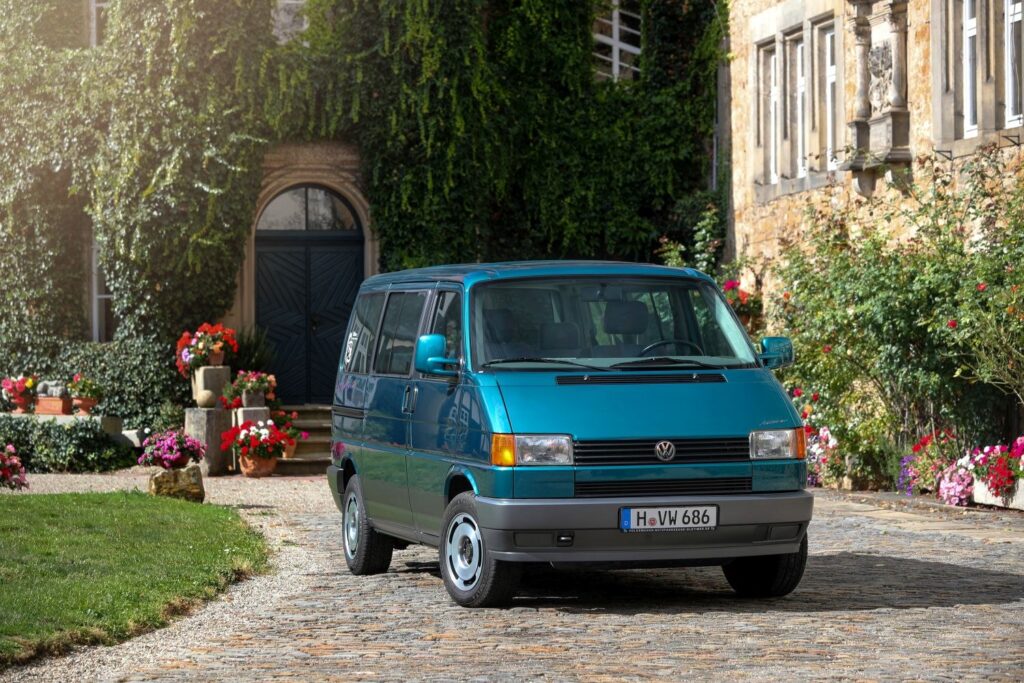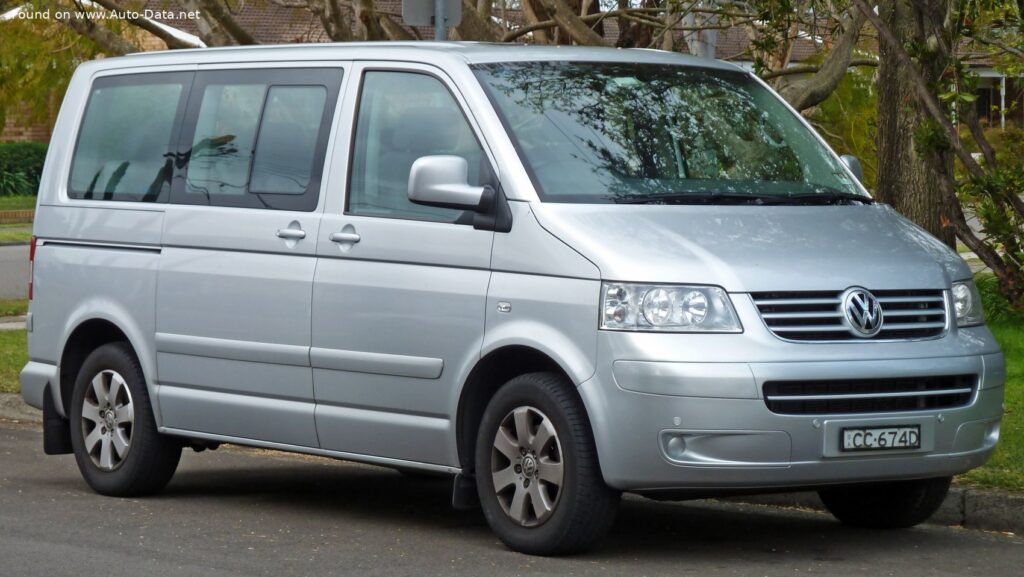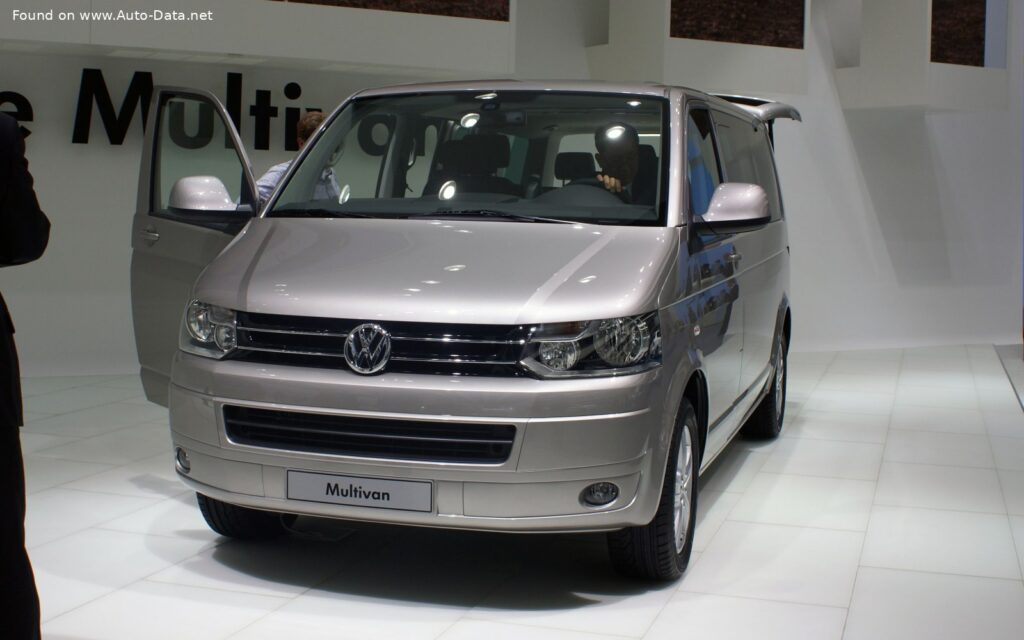
The Volkswagen Multivan (T5, facelift 2009) 2.0 TSI (204 hp) represents a significant iteration of Volkswagen’s popular commercial and passenger vehicle, bridging the gap between a traditional van and a comfortable people carrier. Introduced in 2011 and continuing through 2015, this variant occupied a mid-to-upper position within the T5 facelift range, offering a balance of performance, space, and features. It was built on the 1HX0/A3 platform, shared with other Volkswagen Group vehicles like the Transporter and Caravelle. The 2.0 TSI engine provided a substantial power upgrade over lower-spec models, appealing to buyers needing more than basic transportation capabilities.
The 2.0 TSI Engine and its Role in the T5 Multivan Lineup
The 2.0 TSI engine was positioned as a premium option within the T5 Multivan range. Below it sat the 2.0 TDI diesel variants, favored for fuel economy, and the lower-powered 1.9 TDI. Above it were specialized configurations, often with more luxurious appointments. The 2.0 TSI aimed to provide a gasoline-powered alternative with considerably more horsepower and torque than the base engines, catering to drivers who prioritized performance and responsiveness. This engine was particularly attractive to those who frequently carried a full load of passengers or cargo, or who regularly drove on highways where extra power was beneficial.
Powertrain & Engine Architecture
The heart of the Multivan 2.0 TSI is the CJKA engine code, a 1984 cc (121.07 cu. in.) inline-four cylinder gasoline engine. This engine utilizes direct fuel injection, a technology that improves fuel efficiency and power output by injecting fuel directly into the combustion chamber. A single turbocharger with an intercooler further enhances performance by forcing more air into the engine. The engine produces 204 hp at 4200-6000 rpm and 350 Nm (258.15 lb-ft) of torque between 1500-4000 rpm. This broad torque curve provides strong acceleration across a wide range of engine speeds. The engine features four valves per cylinder, contributing to its efficient operation. The engine oil capacity is 5.7 liters (6.02 US qt / 5.02 UK qt).
While a six-speed manual transmission was standard, a seven-speed dual-clutch transmission (DSG) was often available as an option. The DSG transmission offered quicker, smoother shifts compared to a traditional automatic, further enhancing the driving experience. The front-wheel drive configuration was standard for this variant, although 4Motion all-wheel drive was available as an option, providing improved traction in challenging conditions.
Driving Characteristics
The 2.0 TSI-equipped Multivan delivers a noticeably more spirited driving experience than its lower-powered counterparts. Acceleration from 0-100 km/h (0-62 mph) takes approximately 9.5 seconds, and 0-60 mph is achieved in around 9 seconds. The maximum speed is electronically limited to 200 km/h (124.27 mph). The turbocharger provides a surge of power, making overtaking maneuvers easier and more confident. The broad torque band means that the engine feels responsive even at lower speeds, making it well-suited for city driving. The optional DSG transmission contributes to a smoother and more engaging driving experience, with quick and precise gear changes. Compared to the diesel models, the 2.0 TSI offers a more refined and quieter engine note, although fuel economy is generally lower.
Equipment & Trim Levels
The Multivan 2.0 TSI typically came well-equipped, reflecting its position as a mid-to-upper trim level. Standard features often included air conditioning, power windows, power mirrors, a multi-function steering wheel, and an audio system with CD player. Higher trim levels added features such as climate control, navigation system, leather upholstery, parking sensors, and alloy wheels. The Multivan’s interior is highly configurable, with seating arrangements ranging from five to seven passengers. Seats could be rotated, folded, or even removed to create a flexible cargo space. Optional extras included a panoramic sunroof, upgraded audio systems, and various comfort and convenience packages.
Chassis & Braking
The Multivan 2.0 TSI utilizes a robust chassis designed to handle the vehicle’s weight and provide a comfortable ride. The front suspension consists of independent MacPherson struts, while the rear suspension employs a semi-independent trailing arm setup. Ventilated disc brakes are fitted to the front wheels, providing strong stopping power. Rear brakes are typically solid discs, although some models may have been equipped with drums depending on the specific configuration and market. The steering system is a rack and pinion type, offering precise and responsive handling. Anti-lock braking system (ABS) is standard, enhancing safety by preventing wheel lockup during hard braking.
Market Reception & Comparison
The 2.0 TSI Multivan received generally positive reviews from automotive critics. It was praised for its strong performance, comfortable ride, and versatile interior. However, some critics noted that the fuel economy was not as good as the diesel models. Compared to the 2.0 TDI, the TSI offered more power and a more refined driving experience, but at the cost of increased fuel consumption. Against the lower-powered gasoline engines, the 2.0 TSI provided a significant performance upgrade, making it a more appealing option for drivers who needed extra power. The Multivan’s spacious interior and flexible seating arrangements were consistently highlighted as key strengths.
Technical Specifications
| Brand | Volkswagen |
| Model | Multivan (T5, facelift 2009) |
| Type | 2.0 TSI (204 Hp) |
| Start of production | 2011 |
| End of production | 2015 |
| Engine Code | CJKA |
| Engine Displacement | 1984 cm3 (121.07 cu. in.) |
| Number of Cylinders | 4 |
| Engine Configuration | Inline |
| Fuel Type | Petrol (Gasoline) |
| Power | 204 Hp @ 4200-6000 rpm |
| Torque | 350 Nm @ 1500-4000 rpm (258.15 lb.-ft.) |
| Fuel Consumption (Urban) | 13 l/100 km (18.1 US mpg / 21.7 UK mpg) |
| Fuel Consumption (Extra Urban) | 8 l/100 km (29.4 US mpg / 35.3 UK mpg) |
| Fuel Consumption (Combined) | 9.8 l/100 km (24 US mpg / 28.8 UK mpg) |
| CO2 Emissions | 228 g/km |
| Acceleration 0-100 km/h | 9.5 sec |
| Acceleration 0-62 mph | 9.5 sec |
| Maximum Speed | 200 km/h (124.27 mph) |
| Kerb Weight | 2149 kg (4737.73 lbs.) |
| Max. Weight | 3000 kg (6613.87 lbs.) |
| Wheelbase | 3000 mm (118.11 in.) |
Legacy
The Volkswagen Multivan 2.0 TSI (2011-2015) remains a popular choice in the used car market, particularly among those seeking a versatile and well-equipped people carrier. The CJKA engine, while not without its potential maintenance needs (like timing chain wear, a common issue across the EA888 engine family), is generally considered reliable when properly maintained. Regular oil changes and adherence to the manufacturer’s service schedule are crucial for ensuring long-term durability. The Multivan’s spacious interior, comfortable ride, and strong performance continue to appeal to buyers today, making it a practical and enjoyable vehicle for families and businesses alike. Its reputation for build quality and practicality ensures it holds its value reasonably well compared to some competitors.