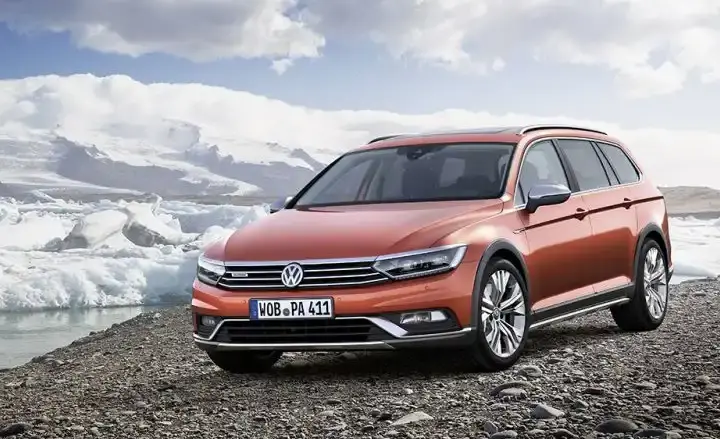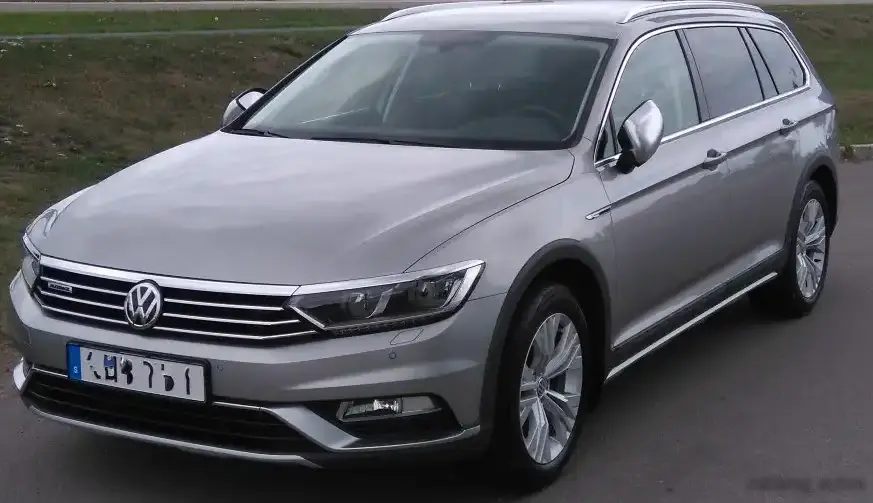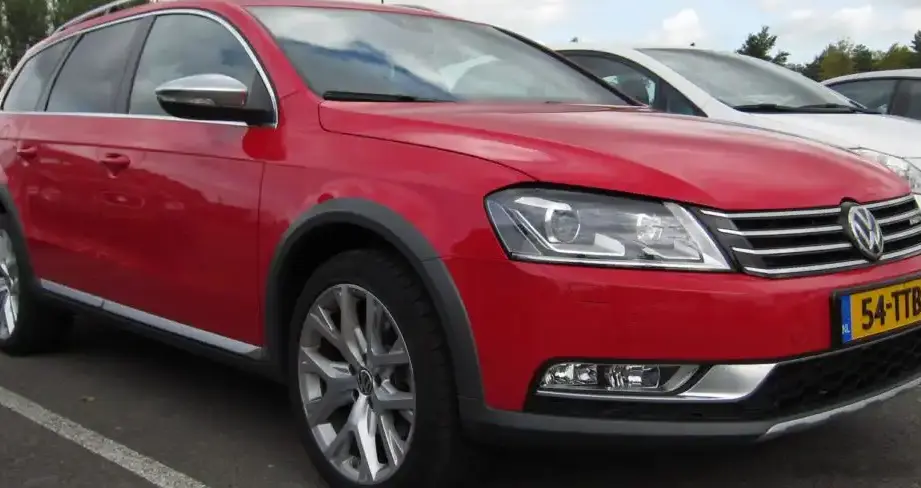
The Volkswagen Passat Alltrack (B7) 1.8 TSI 160 hp represents a specific configuration within the broader B7 Passat Alltrack lineup, produced between October 2010 and 2014. Positioned as a mid-range offering, this variant combined the practicality of a station wagon (estate) with a raised ride height and all-weather capability, appealing to drivers seeking a versatile vehicle for both on-road comfort and light off-road excursions. It was primarily marketed in Europe, where the Alltrack model filled a niche between traditional wagons and more rugged SUVs. The B7 generation itself was a significant refresh of the B6 Passat, offering updated styling, improved technology, and refined powertrains.
Technical Specifications
| Brand | Volkswagen |
| Model | Passat |
| Generation | Passat Alltrack (B7) |
| Type (Engine) | 1.8 TSI (160 Hp) |
| Start of production | October, 2010 |
| End of production | 2014 |
| Powertrain Architecture | Internal Combustion engine |
| Body type | Station wagon (estate), Crossover |
| Seats | 5 |
| Doors | 5 |
| Fuel consumption (urban) | 10.7 l/100 km (22 US mpg, 26.4 UK mpg, 9.3 km/l) |
| Fuel consumption (extra urban) | 5.9 l/100 km (39.9 US mpg, 47.9 UK mpg, 16.9 km/l) |
| Fuel consumption (combined) | 7.7 l/100 km (30.5 US mpg, 36.7 UK mpg, 13 km/l) |
| Fuel Type | Petrol (Gasoline) |
| Acceleration 0 – 100 km/h | 8.9 sec |
| Acceleration 0 – 62 mph | 8.9 sec |
| Acceleration 0 – 60 mph | 8.5 sec |
| Maximum speed | 211 km/h (131.11 mph) |
| Weight-to-power ratio | 9.9 kg/Hp, 100.6 Hp/tonne |
| Weight-to-torque ratio | 6.4 kg/Nm, 157.2 Nm/tonne |
| Power | 160 Hp @ 5000-6200 rpm |
| Power per litre | 89 Hp/l |
| Torque | 250 Nm @ 1500-4200 rpm (184.39 lb.-ft. @ 1500-4200 rpm) |
| Engine layout | Front, Transverse |
| Engine Model/Code | CDAA |
| Engine displacement | 1798 cm3 (109.72 cu. in.) |
| Number of cylinders | 4 |
| Engine configuration | Inline |
| Fuel injection system | Direct injection |
| Engine aspiration | Turbocharger, Intercooler |
| Engine oil capacity | 4.7 l (4.97 US qt | 4.14 UK qt) |
| Kerb Weight | 1590 kg (3505.35 lbs.) |
| Max. weight | 2170 kg (4784.03 lbs.) |
| Max load | 580 kg (1278.68 lbs.) |
| Trunk (boot) space – minimum | 603 l (21.29 cu. ft.) |
| Trunk (boot) space – maximum | 1731 l (61.13 cu. ft.) |
| Fuel tank capacity | 70 l (18.49 US gal | 15.4 UK gal) |
| Length | 4771 mm (187.83 in.) |
| Width | 1820 mm (71.65 in.) |
| Height | 1550 mm (61.02 in.) |
| Wheelbase | 2710 mm (106.69 in.) |
| Front track | 1549 mm (60.98 in.) |
| Rear (Back) track | 1531 mm (60.28 in.) |
| Minimum turning circle | 11.4 m (37.4 ft.) |
| Drivetrain Architecture | Front wheel drive |
| Number of gears | 6 gears, manual transmission |
Powertrain & Engine Architecture
The heart of the Passat Alltrack 1.8 TSI is the CDAA engine code, a 1.8-liter inline-four cylinder gasoline engine. This engine utilizes direct fuel injection (FSI) and a turbocharger with an intercooler to deliver a balance of performance and efficiency. The direct injection system precisely meters fuel into the combustion chamber, improving combustion efficiency and reducing emissions. The turbocharger boosts power output by forcing more air into the engine. The engine’s output of 160 horsepower and 184 lb-ft of torque provided adequate performance for everyday driving and light towing. The 6-speed manual transmission was standard, offering precise gear changes and driver control. While a 7-speed DSG dual-clutch transmission was available as an option, the manual was more common in this trim level.
Driving Characteristics
The 1.8 TSI engine, paired with the manual transmission, offered a reasonably engaging driving experience. Acceleration from 0-60 mph took around 8.5 seconds, which was competitive for its class. The engine delivered a broad torque curve, providing good responsiveness in most driving situations. However, compared to the more powerful 2.0 TSI variants or the diesel options (like the 2.0 TDI), the 1.8 TSI felt less potent, particularly when fully loaded or tackling steep inclines. The raised suspension of the Alltrack, combined with the all-season tires, provided improved ride comfort and enhanced grip on loose surfaces. The manual transmission allowed for greater driver involvement, but the gear ratios were tuned for fuel efficiency rather than outright performance.
Equipment & Trim Levels
The Passat Alltrack 1.8 TSI typically came well-equipped, reflecting its position as a mid-range model. Standard features often included alloy wheels, roof rails, fog lights, automatic climate control, and a multi-function steering wheel. The interior featured comfortable seating, often upholstered in fabric or optional leather. Infotainment systems varied depending on the year and market, but generally included a radio with CD player and auxiliary input. Optional extras included a sunroof, navigation system, parking sensors, and upgraded audio systems. The Alltrack trim also featured unique exterior styling cues, such as rugged body cladding and distinctive badging.
Chassis & Braking
The B7 Passat Alltrack featured a MacPherson strut front suspension and a multi-link rear suspension, providing a comfortable and controlled ride. The Alltrack models had a slightly raised ride height compared to the standard Passat wagon, improving ground clearance for light off-road use. Braking systems typically consisted of ventilated front discs and solid rear discs. Anti-lock brakes (ABS) were standard, along with electronic stability control (ESC). The suspension was tuned to balance comfort and handling, offering a stable and predictable driving experience.
Market Reception & Comparison
The Passat Alltrack 1.8 TSI was generally well-received by automotive critics. It was praised for its versatility, comfortable ride, and fuel efficiency. However, some reviewers noted that the 1.8 TSI engine could feel underpowered in certain situations, particularly when compared to the more powerful engine options. The Alltrack offered a compelling alternative to traditional SUVs, providing similar practicality with a more car-like driving experience. Compared to the 2.0 TSI Alltrack, the 1.8 TSI offered lower running costs but sacrificed some performance. The diesel-powered Alltrack models (2.0 TDI) provided even better fuel economy but were often more expensive to purchase.
Legacy
The Volkswagen Passat Alltrack (B7) 1.8 TSI has proven to be a relatively reliable vehicle in the used car market. The 1.8 TSI engine, while not without its potential issues (such as carbon buildup on the intake valves), is generally considered durable when properly maintained. Regular oil changes and the use of quality fuel are essential for long-term reliability. The manual transmission is also known for its robustness. Today, these Alltracks represent a good value for buyers seeking a practical and versatile wagon with all-weather capability. Their blend of comfort, space, and reasonable running costs continues to make them an appealing choice in the used car market.