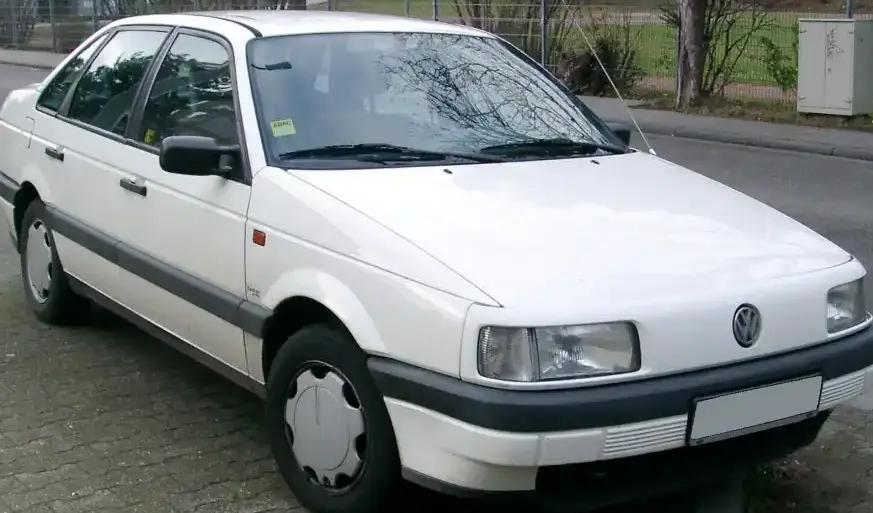
The Volkswagen Passat B3, produced from 1988 to 1993, represented a significant step forward for Volkswagen’s mid-size offering. The 1.8 16V variant, specifically those produced between 1988 and 1989, occupied a middle ground in the B3 Passat lineup, offering a balance between performance and affordability. Positioned above the base 1.6L models and below the more powerful VR6, the 1.8 16V aimed to appeal to buyers seeking a more refined driving experience without the higher price tag of the flagship engine. This generation Passat, built on the B3 platform, was a crucial model for Volkswagen, solidifying its presence in the competitive European and North American markets.
Technical Specifications
| Brand | Volkswagen |
| Model | Passat |
| Generation | Passat (B3) |
| Type (Engine) | 1.8 16V (136 Hp) |
| Start of production | 1988 |
| End of production | 1989 |
| Powertrain Architecture | Internal Combustion engine |
| Body type | Sedan |
| Fuel Type | Petrol (Gasoline) |
| Power | 136 Hp |
| Engine Model/Code | KR |
| Engine aspiration | Naturally aspirated engine |
| Engine oil capacity | 4 l / 4.23 US qt / 3.52 UK qt |
Powertrain & Engine Architecture
The heart of the 1988-1989 Passat 1.8 16V is the KR engine code, a 1.8-liter, inline-four cylinder, naturally aspirated gasoline engine. This engine is notable for its dual overhead camshafts (DOHC) and four valves per cylinder – hence the “16V” designation. This configuration allowed for improved breathing and higher engine speeds compared to older, simpler designs. The KR engine utilized Bosch Motronic fuel injection, a sophisticated system for its time, which precisely controlled fuel delivery based on a variety of sensor inputs. This resulted in improved fuel efficiency and reduced emissions. The engine’s bore and stroke measured 82.5mm x 86.4mm, resulting in a displacement of 1781cc. The compression ratio was typically around 9.5:1. While not a high-performance engine, the 16V cylinder head and improved intake/exhaust design provided a noticeable increase in power over the earlier 8V versions. The engine was typically paired with either a 5-speed manual transmission or a 4-speed automatic transmission. The automatic transmission, while offering convenience, did impact acceleration and fuel economy.
Driving Characteristics
The Passat 1.8 16V offered a reasonably engaging driving experience, particularly when equipped with the 5-speed manual transmission. The engine produced 136 horsepower at 6000 rpm and 133 lb-ft of torque at 4200 rpm. This provided adequate acceleration for everyday driving, though it wasn’t particularly quick. The 4-speed automatic transmission, while smooth, resulted in a noticeable decrease in performance. Gear ratios were optimized for fuel economy rather than outright acceleration. The automatic transmission also tended to “hunt” for gears on inclines, especially when fully loaded. Steering was precise, and the suspension provided a comfortable ride, although it wasn’t particularly sporty. Compared to the VR6, the 1.8 16V felt significantly less powerful, with a noticeable difference in acceleration and overall responsiveness. However, it offered a more economical alternative, and the lighter engine weight contributed to slightly better handling balance.
Equipment & Trim Levels
The 1.8 16V Passat typically came with a reasonable level of standard equipment. Base models included power steering, central locking, and a basic stereo system. Interior upholstery was typically cloth, with options for upgraded velour or leather. Dashboard configuration was relatively simple, with analog gauges for speed, tachometer, fuel level, and coolant temperature. Optional extras included air conditioning, power windows, a sunroof, and upgraded audio systems. Higher trim levels, often denoted by “GL” or “Carat” badges, added more luxurious features such as alloy wheels, upgraded interior trim, and additional convenience items. The specific equipment levels varied depending on the market (Europe vs. North America) and the year of production.
Chassis & Braking
The Passat B3 utilized a MacPherson strut front suspension and a semi-independent torsion beam rear suspension. This setup provided a good balance between ride comfort and handling. The front suspension featured stabilizer bars to reduce body roll during cornering. Braking systems varied depending on the trim level and market. Base models typically had disc brakes on the front wheels and drum brakes on the rear. Higher trim levels often featured disc brakes on all four wheels, providing improved stopping power. Anti-lock braking systems (ABS) were available as an option, enhancing safety in slippery conditions. The chassis was relatively lightweight, contributing to the car’s nimble handling characteristics. Stabilizer bar thickness was generally moderate, prioritizing comfort over aggressive handling.
Market Reception & Comparison
The Passat 1.8 16V was generally well-received by automotive critics. It was praised for its comfortable ride, refined engine, and relatively spacious interior. However, some critics noted that the engine lacked the punch of the VR6 and that the automatic transmission could be sluggish. Fuel economy was considered good for its class, averaging around 25-30 mpg in mixed driving conditions. Compared to the 1.6L models, the 1.8 16V offered a significant performance upgrade, making it a more appealing option for drivers who valued a more engaging driving experience. Compared to the VR6, it was more affordable and offered better fuel economy, but at the expense of performance. The 1.8 16V also offered a more balanced driving experience than the diesel models, which were often criticized for their lack of refinement.
Legacy
The Volkswagen Passat B3 1.8 16V powertrain has proven to be relatively reliable over the long term, provided it has been properly maintained. The KR engine is known for its durability, and parts availability remains good. Common issues include oil leaks, particularly from the valve cover gasket, and occasional problems with the Motronic fuel injection system. The automatic transmission, while generally reliable, can be prone to wear and tear with high mileage. Today, the B3 Passat 1.8 16V is a popular choice among classic car enthusiasts and those seeking an affordable and reliable used car. Its simple mechanical design and relatively low maintenance costs make it an attractive option for those willing to do some basic repairs themselves. The car’s enduring popularity is a testament to its well-rounded design and Volkswagen’s reputation for building quality automobiles.