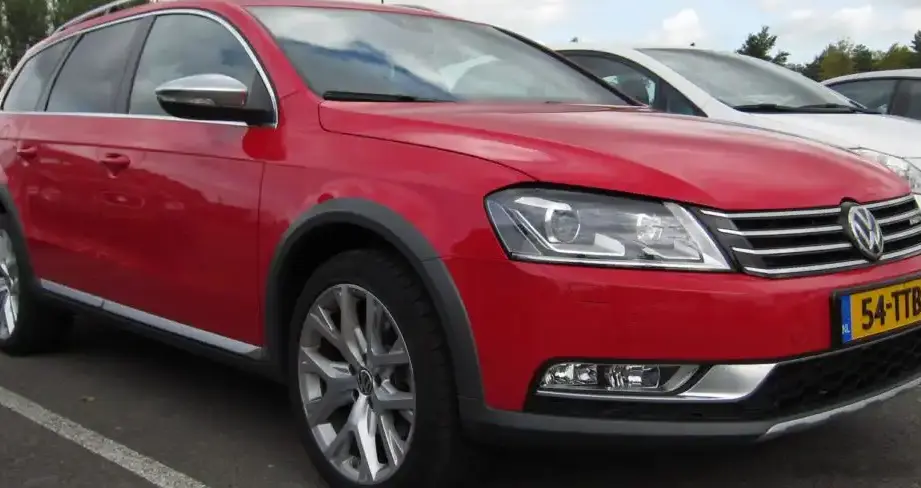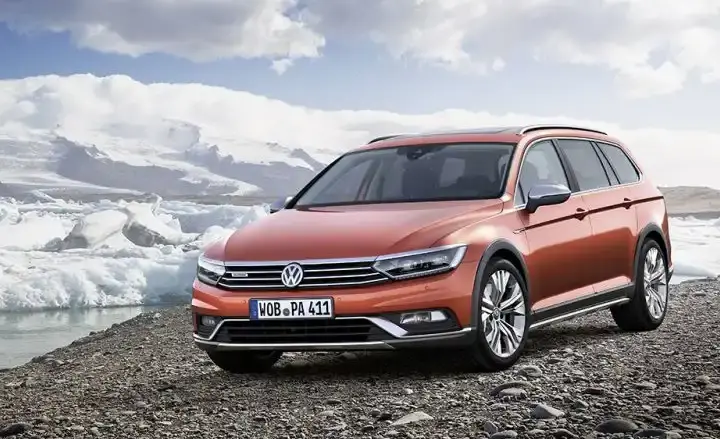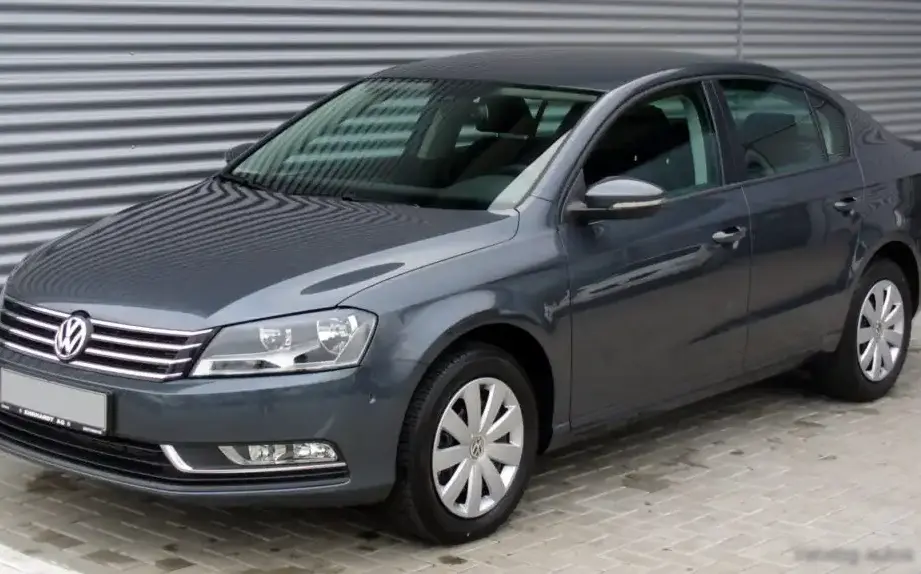
The Volkswagen Passat B7, produced from 2010 to 2012, represented a significant refresh of the B6 generation, offering updated styling, improved technology, and refined powertrains. Within the B7 range, the 1.8 TSI 160 horsepower variant occupied a crucial mid-range position, appealing to buyers seeking a balance between performance, fuel efficiency, and affordability. This model was primarily marketed in Europe and other international markets, serving as a popular choice for families and business users alike. It built upon the established reputation of the Passat as a comfortable, practical, and reliable sedan.
Technical Specifications
| Brand | Volkswagen |
| Model | Passat |
| Generation | Passat (B7) |
| Type (Engine) | 1.8 TSI (160 Hp) |
| Start of production | 2010 |
| End of production | 2012 |
| Powertrain Architecture | Internal Combustion engine |
| Body type | Sedan |
| Seats | 5 |
| Doors | 4 |
| Fuel consumption (economy) – urban (NEDC) | 9.6 l/100 km (24.5 US mpg, 29.4 UK mpg, 10.4 km/l) |
| Fuel consumption (economy) – extra urban (NEDC) | 5.3 l/100 km (44.4 US mpg, 53.3 UK mpg, 18.9 km/l) |
| Fuel consumption (economy) – combined (NEDC) | 6.9 l/100 km (34.1 US mpg, 40.9 UK mpg, 14.5 km/l) |
| CO2 emissions (NEDC) | 160 g/km |
| Fuel Type | Petrol (Gasoline) |
| Acceleration 0 – 100 km/h | 8.5 sec |
| Acceleration 0 – 62 mph | 8.5 sec |
| Acceleration 0 – 60 mph | 8.1 sec |
| Maximum speed | 220 km/h (136.7 mph) |
| Emission standard | Euro 5 |
| Weight-to-power ratio | 8.9 kg/Hp, 112.1 Hp/tonne |
| Weight-to-torque ratio | 5.7 kg/Nm, 175.2 Nm/tonne |
| Power | 160 Hp @ 5000-6200 rpm |
| Power per litre | 89 Hp/l |
| Torque | 250 Nm @ 1500-4200 rpm (184.39 lb.-ft. @ 1500-4200 rpm) |
| Engine layout | Front, Transverse |
| Engine Model/Code | EA888 / CDAA |
| Engine displacement | 1798 cm3 (109.72 cu. in.) |
| Number of cylinders | 4 |
| Engine configuration | Inline |
| Cylinder Bore | 82.5 mm (3.25 in.) |
| Piston Stroke | 84.2 mm (3.31 in.) |
| Compression ratio | 9.8:1 |
| Number of valves per cylinder | 4 |
| Fuel injection system | Direct injection |
| Engine aspiration | Turbocharger, Intercooler |
| Valvetrain | DOHC |
| Engine oil capacity | 4.7 l (4.97 US qt | 4.14 UK qt) |
| Kerb Weight | 1427 kg (3146 lbs.) |
| Max. weight | 2030 kg (4475.38 lbs.) |
| Max load | 603 kg (1329.39 lbs.) |
| Trunk (boot) space – minimum | 565 l (19.95 cu. ft.) |
| Fuel tank capacity | 70 l (18.49 US gal | 15.4 UK gal) |
| Max. roof load | 100 kg (220.46 lbs.) |
| Permitted trailer load with brakes (8%) | 1700 kg (3747.86 lbs.) |
| Permitted trailer load with brakes (12%) | 1500 kg (3306.93 lbs.) |
| Permitted trailer load without brakes | 750 kg (1653.47 lbs.) |
| Permitted towbar download | 90 kg (198.42 lbs.) |
| Length | 4769 mm (187.76 in.) |
| Width | 1820 mm (71.65 in.) |
| Width including mirrors | 2062 mm (81.18 in.) |
| Height | 1470 mm (57.87 in.) |
| Wheelbase | 2712 mm (106.77 in.) |
| Front track | 1552 mm (61.1 in.) |
| Rear (Back) track | 1551 mm (61.06 in.) |
| Front overhang | 941 mm (37.05 in.) |
| Rear overhang | 1116 mm (43.94 in.) |
| Ride height (ground clearance) | 135 mm (5.31 in.) |
| Minimum turning circle (turning diameter) | 11.4 m (37.4 ft.) |
| Drivetrain Architecture | The Internal combustion engine (ICE) drives the front wheels of the vehicle. |
| Drive wheel | Front wheel drive |
| Number of gears and type of gearbox | 6 gears, manual transmission |
| Front suspension | Independent, type McPherson with coil spring and anti-roll bar |
| Rear suspension | Independent multi-link spring suspension with stabilizer |
| Front brakes | Ventilated discs, 312×25 mm |
| Rear brakes | Disc, 286×12 mm |
| Assisting systems | ABS (Anti-lock braking system) |
| Steering type | Steering rack and pinion |
| Power steering | Electric Steering |
| Tires size | 215/55 R16; 235/45 R17; 235/40 R18 |
| Wheel rims size | 7J x 16; 7.5J x 17; 8J x 18 |
INTRODUCTION
The Volkswagen Passat B7 1.8 TSI (160 hp) was a key variant within the broader B7 lineup, produced between 2010 and 2012. Positioned as a mainstream offering, it aimed to provide a compelling blend of performance and economy for the average driver. The B7 Passat itself was a heavily revised version of the B6, featuring updated front and rear styling, a more refined interior, and improvements to the chassis and technology. This particular 1.8 TSI engine, part of the EA888 family, was a popular choice across the Volkswagen Group, known for its responsiveness and efficiency. The B7 was sold primarily in Europe, Asia, and other international markets, with the North American market receiving a distinct, larger Passat (the NMS Passat) during this period.
Powertrain & Engine Architecture
At the heart of the Passat B7 1.8 TSI was the EA888 engine, specifically the CDAA code. This 1.8-liter, inline-four cylinder engine utilized direct fuel injection and a turbocharger with an intercooler to deliver 160 horsepower and 250 Nm (184 lb-ft) of torque. The direct injection system allowed for precise fuel delivery, optimizing combustion and improving efficiency. The turbocharger provided a significant boost in power, particularly at lower engine speeds, enhancing responsiveness. The engine featured a double overhead camshaft (DOHC) valvetrain with four valves per cylinder, further contributing to its performance. The 160 hp version typically paired with a 6-speed manual or a 7-speed DSG (Direct-Shift Gearbox) dual-clutch automatic transmission. The automatic transmission offered smooth and quick gear changes, enhancing the driving experience.
Driving Characteristics
The 1.8 TSI 160 hp Passat B7 offered a comfortable and refined driving experience. While not overtly sporty, the engine provided sufficient power for everyday driving and overtaking maneuvers. Acceleration from 0 to 62 mph (0-100 km/h) took around 8.5 seconds. The turbocharger provided a noticeable boost in power from around 1500 rpm, delivering a good amount of torque for effortless cruising. Compared to the more powerful 2.0 TSI variants, the 1.8 TSI felt less urgent in its acceleration, but it offered better fuel economy. The automatic transmission, when equipped, contributed to a relaxed driving experience, with smooth gear changes and a responsive kickdown function. The suspension was tuned for comfort, absorbing bumps and imperfections in the road effectively.
Equipment & Trim Levels
The Passat B7 1.8 TSI typically came equipped with a respectable level of standard features. These included air conditioning, power windows, power mirrors, a CD/MP3 stereo system, and alloy wheels. Higher trim levels, such as Trendline, Comfortline, and Highline, added features like automatic climate control, a touchscreen infotainment system, parking sensors, and leather upholstery. Optional extras included a sunroof, navigation system, and advanced safety features like adaptive cruise control and lane departure warning. Interior upholstery was typically cloth on base models, with leather options available on higher trims. The dashboard layout was clean and functional, with a focus on ergonomics.
Chassis & Braking
The Passat B7 featured an independent suspension system, with McPherson struts at the front and a multi-link setup at the rear. This configuration provided a good balance between comfort and handling. The front brakes were ventilated discs, while the rear brakes were typically solid discs, although some models featured rear ventilated discs depending on the trim level and market. Anti-lock Braking System (ABS) was standard, enhancing safety during emergency braking. Stabilizer bars were fitted to both the front and rear axles, reducing body roll during cornering. The steering was power-assisted, providing a light and responsive feel.
Market Reception & Comparison
The Passat B7 1.8 TSI was generally well-received by automotive critics. It was praised for its comfortable ride, refined engine, and good fuel economy. However, some critics noted that the 1.8 TSI engine lacked the outright performance of the more powerful 2.0 TSI variants. Compared to the 2.0 TDI diesel models, the 1.8 TSI offered a more responsive engine but lower fuel economy. The 1.8 TSI was often seen as a good all-rounder, appealing to buyers who prioritized comfort and efficiency over outright performance. Its fuel economy figures of around 34.1 US mpg combined were competitive for its class.
Legacy
The EA888 1.8 TSI engine, as used in the Passat B7, has proven to be a relatively reliable powertrain. While some early versions of the EA888 engine were prone to carbon buildup on the intake valves, this issue was largely addressed in later iterations. Regular maintenance, including oil changes and the use of quality fuel, is crucial for ensuring long-term reliability. Today, the Passat B7 1.8 TSI remains a popular choice in the used car market, offering a comfortable, practical, and relatively affordable option for buyers seeking a well-rounded family sedan. Its reputation for reliability and reasonable running costs continues to make it a desirable vehicle.