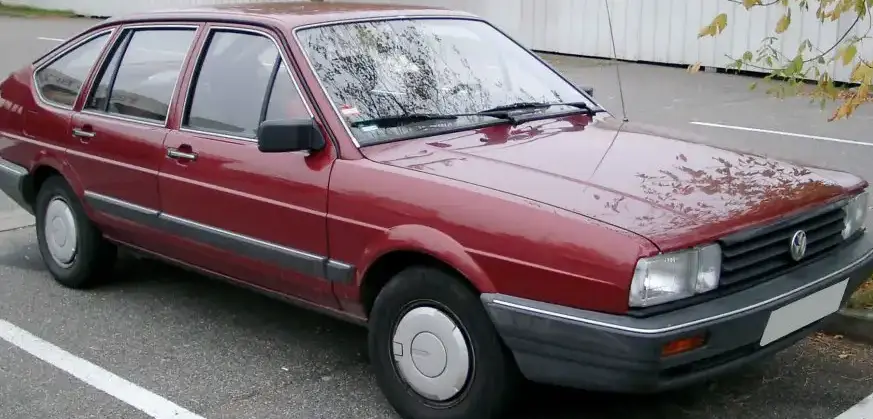
The Volkswagen Passat B2, specifically the facelifted version produced from 1985 to 1988, represented a significant evolution of Volkswagen’s mid-size offering. This generation, internally designated the 1HX0, moved away from the sharply angled design of the original Passat (B1) towards a more streamlined and modern aesthetic. The 1.6-liter (72 hp) variant, offered throughout this period, served as the entry point into the Passat range, targeting buyers seeking a practical, economical, and comfortable family car. It was positioned as a more affordable alternative to the higher-specification models with larger engines, and played a crucial role in maintaining the Passat’s sales volume in European markets.
Technical Specifications
| Brand | Volkswagen |
| Model | Passat |
| Generation | Passat Hatchback (B2; facelift 1985) |
| Type (Engine) | 1.6 (72 Hp) |
| Start of production | 1985 |
| End of production | 1988 |
| Powertrain Architecture | Internal Combustion engine |
| Body type | Hatchback |
| Seats | 5 |
| Doors | 5 |
| Fuel Type | Petrol (Gasoline) |
| Power | 72 Hp |
| Engine Model/Code | RL |
| Engine aspiration | Naturally aspirated engine |
| Engine oil capacity | 3 l (3.17 US qt | 2.64 UK qt) |
| Trunk (boot) space – minimum | 480 l (16.95 cu. ft.) |
| Trunk (boot) space – maximum | 1542 l (54.46 cu. ft.) |
| Fuel tank capacity | 60 l (15.85 US gal | 13.2 UK gal) |
| Length | 4425 mm (174.21 in.) |
| Width | 1710 mm (67.32 in.) |
| Height | 1385 mm (54.53 in.) |
| Wheelbase | 2550 mm (100.39 in.) |
Powertrain & Engine Architecture
The 1.6-liter RL engine powering this Passat variant was a naturally aspirated, inline-four cylinder unit. It featured a single overhead camshaft (SOHC) valvetrain operating two valves per cylinder. Fuel delivery was managed by a Bosch mechanical fuel injection system, a relatively simple but reliable setup for the time. This system, while not as sophisticated as later electronic fuel injection, provided adequate fuel atomization and control for the engine’s modest power output. The engine’s bore and stroke were 84mm x 80mm, resulting in a displacement of 1588cc. The compression ratio was typically around 8.5:1. The engine was paired with a three-speed automatic transmission, which was a common offering in Europe for drivers prioritizing convenience over performance. This transmission was known for its smooth operation but relatively slow shift times compared to manual alternatives.
Driving Characteristics
The 1.6-liter automatic Passat offered a comfortable, if uninspiring, driving experience. With 72 horsepower and approximately 98 lb-ft of torque, acceleration was leisurely. The three-speed automatic transmission further emphasized this, with relatively wide gear ratios prioritizing fuel economy over rapid acceleration. In real-world conditions, overtaking maneuvers required careful planning, and the engine could feel strained when climbing hills or carrying a full load. Compared to the more powerful 1.8-liter and 2.0-liter versions of the Passat B2, or even the diesel options, this variant lacked outright performance. However, the automatic transmission made it a more accessible option for drivers unfamiliar or uninterested in manual gearboxes. The suspension, tuned for comfort, absorbed bumps and imperfections in the road well, contributing to a relaxed ride quality.
Equipment & Trim Levels
The 1.6-liter Passat typically represented the base trim level. Standard equipment generally included cloth upholstery, basic instrumentation, and manual windows and door locks. Power steering was often an optional extra, as was air conditioning. The interior design was functional and straightforward, prioritizing practicality over luxury. Dashboard materials were durable but not particularly refined. Optional extras could include a sunroof, upgraded stereo systems, and alloy wheels. The specific trim level and available options varied slightly depending on the country of sale.
Chassis & Braking
The Passat B2 featured an independent front suspension with MacPherson struts and a semi-independent torsion beam rear suspension. This setup provided a good balance between ride comfort and handling. Braking on the base 1.6-liter model typically consisted of disc brakes on the front wheels and drum brakes on the rear. This configuration was adequate for the vehicle’s weight and performance, but lacked the stopping power of the all-disc brake setups found on higher-specification models. Stabilizer bars were often fitted to the front axle to reduce body roll during cornering.
Market Reception & Comparison
The 1.6-liter automatic Passat was generally well-received as a practical and affordable family car. Critics acknowledged its comfortable ride and spacious interior, but often noted its lack of performance. Compared to the 1.8-liter and 2.0-liter versions, the 1.6 offered significantly lower fuel economy, although the automatic transmission did contribute to a smoother driving experience. The diesel models, while more expensive initially, offered superior fuel economy and torque. The 1.6-liter variant appealed to buyers who prioritized comfort and convenience over outright performance and were on a tighter budget.
Legacy
The 1.6-liter RL engine, while not known for its exceptional performance or longevity, proved to be a relatively reliable unit when properly maintained. The three-speed automatic transmission, while dated by modern standards, was generally durable. Today, Passat B2s with the 1.6-liter engine are relatively affordable on the used car market. They represent a good entry point for classic Volkswagen enthusiasts, offering a taste of 1980s German engineering at a reasonable price. However, potential buyers should be aware of the age-related issues common to all vehicles of this era, such as corrosion and wear and tear on rubber components. Finding parts can sometimes be challenging, but a dedicated network of classic Volkswagen parts suppliers exists to support owners of these vehicles.