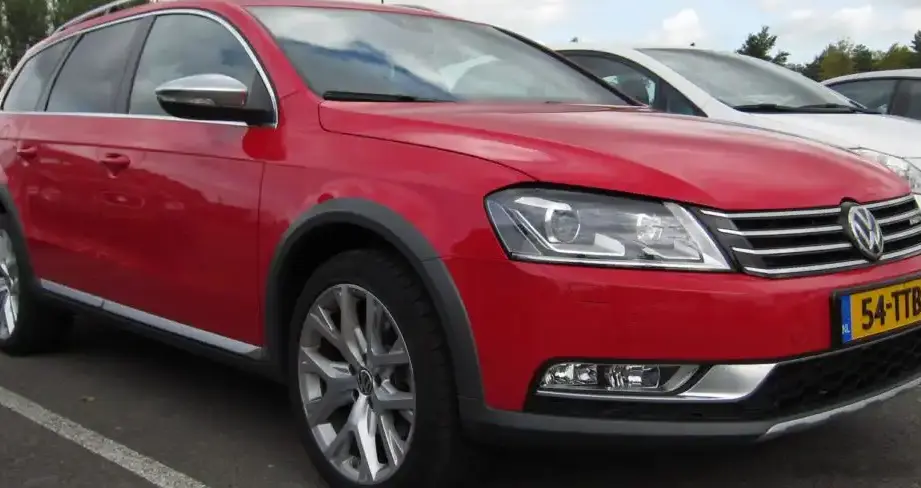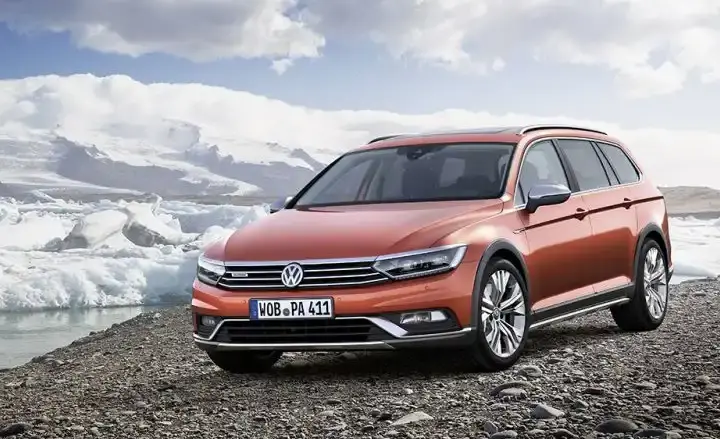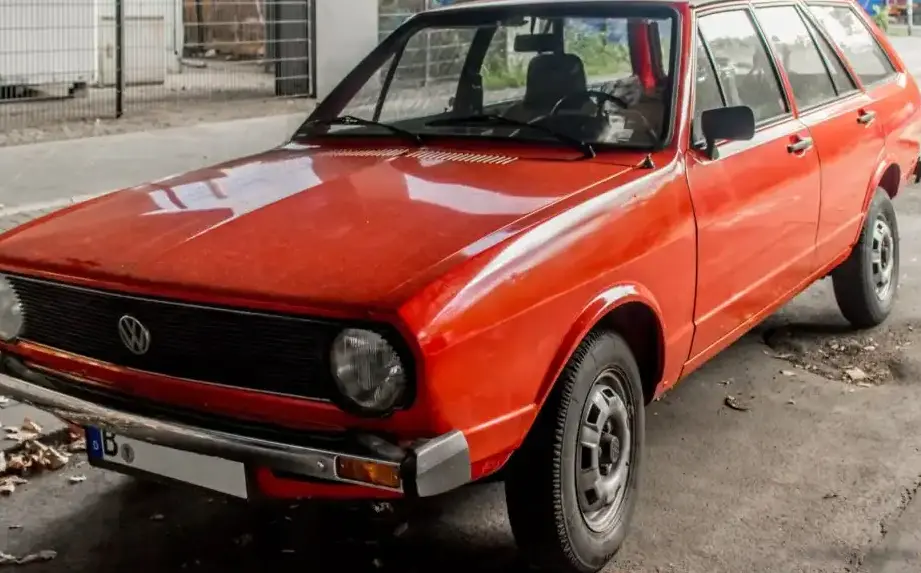
The Volkswagen Passat Variant (B1) 1.6 D, produced from 1979 to 1980, represents a crucial entry point into the burgeoning European station wagon market for Volkswagen. This variant, part of the broader B1 Passat lineup (produced 1973-1981), offered a practical and economical option for families and those requiring increased cargo capacity. Positioned as the base-level diesel offering within the Variant range, it catered to buyers prioritizing fuel efficiency and durability over outright performance. The B1 Passat, and specifically the Variant, was Volkswagen’s attempt to compete with established European wagons like those from Opel, Ford, and Volvo, offering a modern, front-wheel-drive alternative to the traditionally rear-wheel-drive competition.
Technical Specifications
| Brand | Volkswagen |
| Model | Passat |
| Generation | Passat Variant (B1) |
| Type (Engine) | 1.6 D (54 Hp) |
| Start of production | 1979 |
| End of production | 1980 |
| Powertrain Architecture | Internal Combustion engine |
| Body type | Station wagon (estate) |
| Fuel Type | Diesel |
| Power | 54 Hp |
| Engine aspiration | Naturally aspirated engine |
| Engine oil capacity | 3.5 l (3.7 US qt | 3.08 UK qt) |
| Coolant capacity | 5.5 l (5.81 US qt | 4.84 UK qt) |
Powertrain & Engine Architecture
The Passat Variant 1.6 D was powered by a naturally aspirated, inline-four cylinder diesel engine, internally designated as the CK2A. This engine displaced 1,588 cc (97 cubic inches) and produced 54 horsepower (40 kW) at 4,200 rpm, and approximately 86 lb-ft (117 Nm) of torque at 2,500 rpm. The CK2A engine utilized a Bosch mechanical fuel injection system, a common setup for diesel engines of the era. This system, while not as sophisticated as later electronic injection systems, provided reliable fuel delivery and contributed to the engine’s fuel efficiency. The engine featured a single overhead camshaft operating two valves per cylinder (SOHC, 2V). The compression ratio was relatively high for a diesel engine, at 22.5:1, contributing to its efficiency but also requiring higher-quality diesel fuel to prevent knocking. The engine was mated to a four-speed manual transmission as standard, though a three-speed automatic transmission was available as an option, albeit less common. The automatic transmission was a conventional hydraulic unit, offering smooth but not particularly quick shifts.
Driving Characteristics
The 1.6 D engine in the Passat Variant delivered modest performance. Acceleration was slow, with a 0-60 mph time estimated to be around 18-20 seconds. However, the engine’s strength lay in its torque delivery, making it reasonably capable of carrying a load and maintaining highway speeds, albeit with considerable engine strain on inclines. The four-speed manual transmission allowed drivers to maximize the engine’s limited power, while the optional automatic transmission prioritized convenience over performance. The automatic, while making driving easier, further reduced acceleration and increased fuel consumption. The gear ratios were relatively tall, geared towards fuel economy rather than spirited driving. Compared to the gasoline-powered Passat variants, the 1.6 D offered significantly less power but substantially better fuel economy – a key selling point for many European buyers at the time. Handling was typical for a front-wheel-drive car of the era: safe and predictable, but not particularly engaging.
Equipment & Trim Levels
The 1.6 D Variant was generally considered the entry-level trim. Standard equipment included cloth upholstery, basic instrumentation (speedometer, fuel gauge, coolant temperature gauge), and a two-spoke steering wheel. The interior was functional and durable, prioritizing practicality over luxury. Optional extras included a radio, upgraded upholstery, and a sunroof. The exterior featured steel wheels with hubcaps, black plastic bumpers, and relatively simple trim. The dashboard layout was straightforward, with clearly labeled controls. Air conditioning was rarely fitted to this base model, and power windows were not typically available. The focus was on providing a no-frills, reliable vehicle at an affordable price.
Chassis & Braking
The Passat Variant (B1) utilized a MacPherson strut front suspension and a semi-trailing arm rear suspension. The suspension was tuned for comfort and ride quality, rather than sporty handling. The front suspension incorporated a stabilizer bar to reduce body roll. Braking was accomplished via disc brakes on the front wheels and drum brakes on the rear wheels. The braking system was adequate for the vehicle’s weight and performance, but lacked the stopping power of more modern systems. Steering was rack-and-pinion, providing reasonable precision. The chassis was a unibody construction, providing a good balance of strength and weight. The rear suspension geometry was designed to maximize cargo space, which was a primary consideration for the Variant model.
Market Reception & Comparison
The Passat Variant 1.6 D was well-received in Europe as an economical and practical family vehicle. Critics praised its fuel efficiency and spacious interior, but noted its lack of performance. Compared to the gasoline-powered Passat variants (such as the 1.6 or 1.5), the 1.6 D offered significantly lower running costs but a considerably slower driving experience. Compared to other diesel-powered wagons of the time, such as the Opel Ascona Caravan or Ford Taunus Turnier, the Passat Variant offered a more modern design and front-wheel-drive layout. Fuel economy was a major advantage, typically achieving around 35-40 mpg. Reliability was generally good, although the Bosch mechanical fuel injection system required periodic maintenance. The 1.6 D was primarily targeted at buyers who prioritized economy and practicality over performance and luxury.
Legacy
The Passat Variant (B1) 1.6 D, while not a performance icon, played a significant role in establishing Volkswagen as a major player in the European station wagon market. The CK2A diesel engine proved to be remarkably durable, and many examples remain on the road today, often with high mileage. The 1.6 D powertrain is known for its simplicity and relatively low maintenance costs, making it a popular choice for classic car enthusiasts and those seeking a reliable and economical vintage vehicle. In the used car market, these variants are generally affordable, but well-maintained examples are becoming increasingly rare. The B1 Passat Variant, and particularly the 1.6 D model, represents a significant chapter in Volkswagen’s history, showcasing the company’s commitment to building practical, fuel-efficient, and durable vehicles.