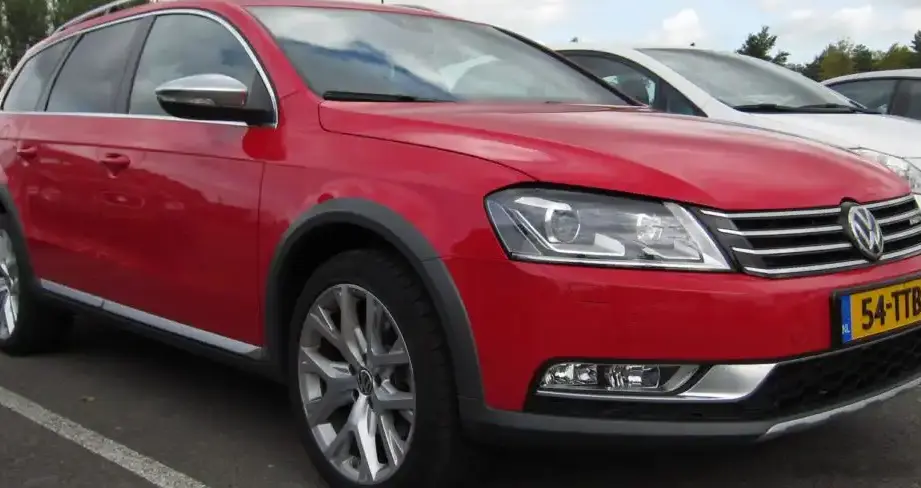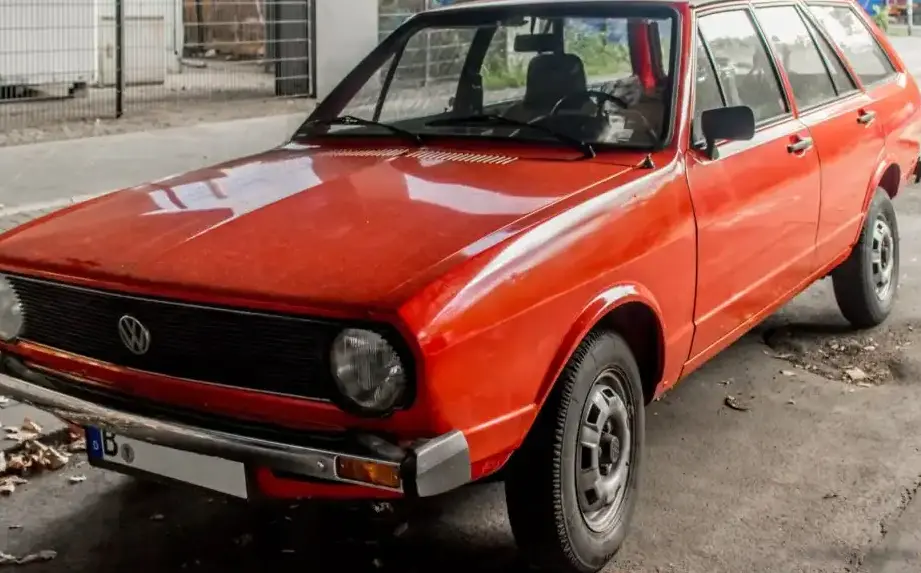
The Volkswagen Passat Variant (B1) 1.6i, produced between 1978 and 1980, represents a significant expansion of the Passat line, offering a practical and spacious station wagon body style to complement the existing sedan. This variant, powered by the naturally aspirated 1.6-liter inline-four engine producing 110 horsepower, occupied a middle ground in the B1 Passat lineup, appealing to families and those requiring substantial cargo capacity without the expense of the larger-engined models. It was a key component of Volkswagen’s strategy to broaden the Passat’s appeal in the European market, where estate cars were – and continue to be – highly popular. The B1 Passat, and subsequently the Variant, was built on Volkswagen’s new ‘B’ platform, a modular design intended to underpin a range of models, including the Audi 80.
Technical Specifications
| Brand | Volkswagen |
| Model | Passat |
| Generation | Passat Variant (B1) |
| Type (Engine) | 1.6 i (110 Hp) |
| Start of production | 1978 |
| End of production | 1980 |
| Powertrain Architecture | Internal Combustion engine |
| Body type | Station wagon (estate) |
| Fuel Type | Petrol (Gasoline) |
| Power | 110 Hp |
| Engine Model/Code | YS |
| Engine aspiration | Naturally aspirated engine |
Powertrain & Engine Architecture
The heart of the Passat Variant 1.6i is the Volkswagen YS engine, a 1.6-liter inline-four cylinder gasoline engine. This engine, part of Volkswagen’s EA827 family, featured a single overhead camshaft (SOHC) design operating two valves per cylinder. The YS engine utilized Bosch K-Jetronic mechanical fuel injection, a sophisticated system for its time, offering improved fuel efficiency and reduced emissions compared to carbureted engines. The K-Jetronic system, while reliable, could be sensitive to fuel quality and required periodic maintenance. The engine produced 110 horsepower at 5800 rpm and 109 lb-ft of torque at 3300 rpm. The engine block was cast iron, providing durability, while the cylinder head was aluminum alloy, contributing to weight reduction. The 1.6i was typically paired with either a four-speed manual transmission or a three-speed automatic transmission. The automatic transmission, while offering convenience, was known for its relatively slow shift times and contributed to slightly lower fuel economy compared to the manual version.
Driving Characteristics
The Passat Variant 1.6i offered a comfortable and practical driving experience, prioritizing usability over outright performance. With 110 horsepower propelling a relatively heavy station wagon, acceleration was adequate but not brisk. Zero to sixty mph times were typically in the 12-13 second range. The three-speed automatic transmission further tempered performance, with noticeable step changes between gears. The gear ratios were optimized for fuel economy and cruising comfort rather than rapid acceleration. Compared to the more powerful 1.6-liter (75 hp) or 1.5-liter (72 hp) versions, the 110 hp engine provided a more relaxed driving experience, particularly when fully loaded with passengers and cargo. Compared to the later GTI models or the diesel variants, the 1.6i was significantly less sporty, but it offered a smoother and quieter ride. The suspension, consisting of MacPherson struts in the front and a twist-beam rear axle, provided a comfortable ride, although it wasn’t particularly sporty.
Equipment & Trim Levels
The Passat Variant 1.6i typically came with a reasonable level of standard equipment for its time. Base models included cloth upholstery, vinyl flooring, and basic instrumentation. Higher trim levels, often denoted by “GL” or “GLE”, added features such as upgraded cloth or velour upholstery, a woodgrain dashboard trim, and additional chrome exterior accents. Optional extras included a sunroof, power windows, and a radio. The interior design was functional and straightforward, reflecting the car’s practical focus. The dashboard layout was simple, with clearly marked gauges and easy-to-use controls. The rear seats could be folded down to create a larger cargo area, enhancing the Variant’s versatility. Air conditioning was an optional extra, and its presence significantly increased the car’s price.
Chassis & Braking
The Passat Variant (B1) utilized a front-engine, front-wheel-drive layout. The chassis featured independent MacPherson strut suspension at the front, providing a comfortable ride and reasonable handling. The rear suspension employed a torsion beam axle, a cost-effective and space-saving design. Braking systems varied depending on the trim level and market. Base models typically featured drum brakes on all four wheels, while higher-spec versions often included front disc brakes. Power steering was an optional extra, making maneuvering easier, particularly in urban environments. The steering was relatively light and precise, although it lacked the feedback of more modern systems. Stabilizer bars were often included as standard equipment, helping to reduce body roll during cornering. The B1 Passat’s chassis was relatively robust and well-engineered, contributing to its longevity.
Market Reception & Comparison
The Passat Variant 1.6i was generally well-received by automotive critics and consumers alike. It was praised for its spacious interior, practical design, and comfortable ride. However, some critics noted that the 1.6-liter engine could feel underpowered when the car was fully loaded. Compared to other station wagons on the market at the time, such as the Ford Estate or the Opel Caravan, the Passat Variant offered a more modern and refined driving experience. The fuel economy of the 1.6i was respectable for its era, averaging around 25-30 mpg in mixed driving conditions. The diesel variants of the B1 Passat offered significantly better fuel economy, but they were more expensive to purchase and typically had lower performance. The 1.6i represented a good balance between performance, fuel economy, and price, making it a popular choice for families and those seeking a versatile and reliable vehicle.
Legacy
The Passat Variant (B1) 1.6i, while not the most powerful or technologically advanced version of the B1 Passat, remains a fondly remembered classic. The YS engine, while prone to occasional issues with the K-Jetronic fuel injection system, is generally considered to be a durable and reliable unit. Today, well-maintained examples of the Passat Variant 1.6i are sought after by classic car enthusiasts. Parts availability can be a challenge, but a dedicated community of owners and suppliers helps to keep these cars on the road. The B1 Passat Variant established the Passat as a serious contender in the European station wagon market, paving the way for the continued success of subsequent Passat generations. Its blend of practicality, comfort, and reliability has ensured its place in automotive history.