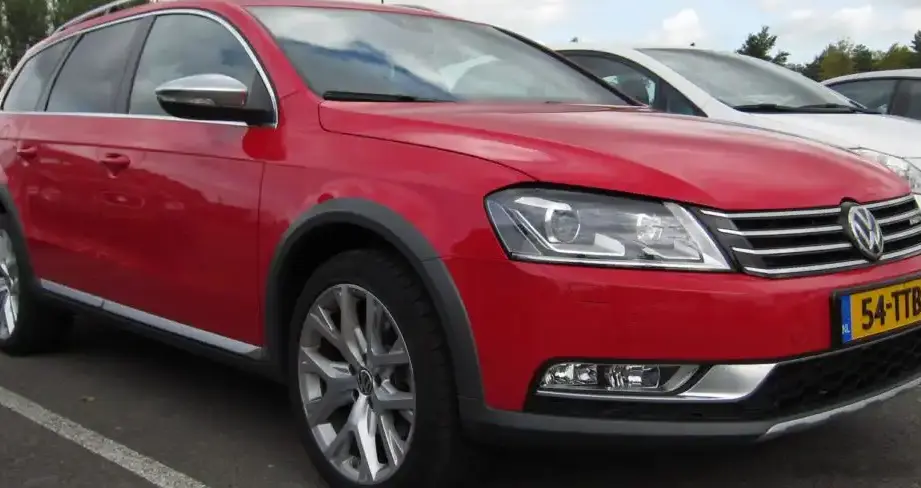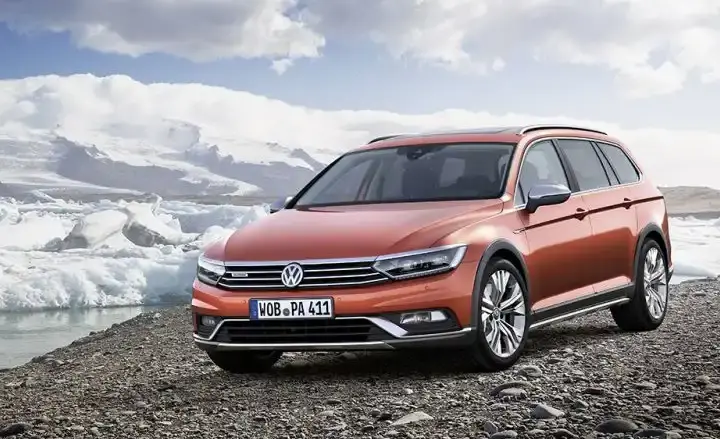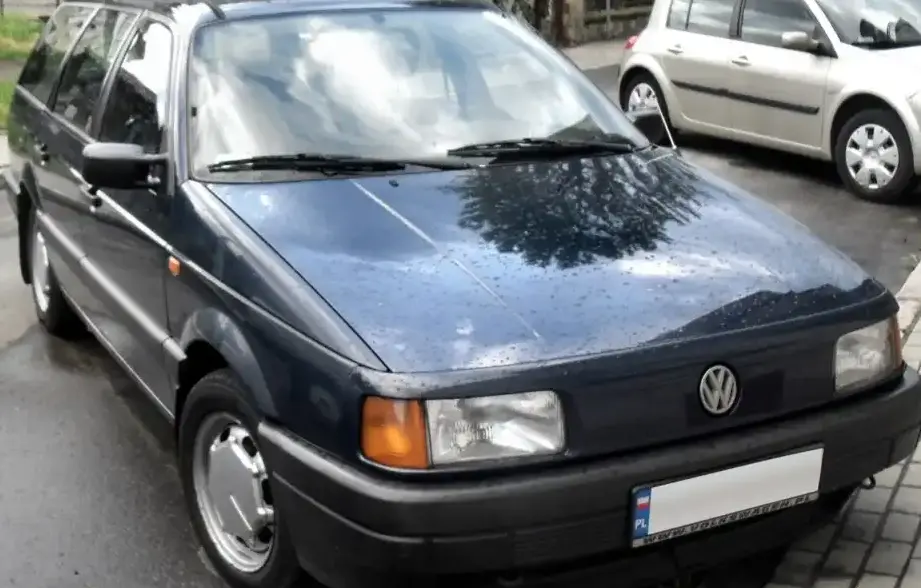
The Volkswagen Passat Variant (B3) 1.6, producing 72 horsepower, was a mainstay of the Passat lineup from 1988 to 1991. Representing an entry-level option within the B3 generation (internally designated Typ 35I), this variant offered practical family transportation in a station wagon body style. The B3 Passat, launched in 1988, was a significant evolution of the B2, featuring a more aerodynamic design and improved interior space. The Variant, or estate, body style was particularly popular in Europe, offering increased cargo capacity for families and those with active lifestyles. This 1.6-liter model served as a more affordable alternative to the more powerful and technologically advanced versions, like those equipped with the 1.8 or 2.0-liter engines.
Technical Specifications
| Brand | Volkswagen |
| Model | Passat |
| Generation | Passat Variant (B3) |
| Type (Engine) | 1.6 (72 Hp) |
| Start of production | 1988 |
| End of production | 1991 |
| Powertrain Architecture | Internal Combustion engine |
| Body type | Station wagon (estate) |
| Seats | 5 |
| Doors | 5 |
| Fuel consumption (urban) | 9.2 l/100 km (25.6 US mpg) |
| Fuel consumption (extra urban) | 5.8 l/100 km (40.6 US mpg) |
| Fuel consumption (combined) | 7.5 l/100 km (31.4 US mpg) |
| Fuel Type | Petrol (Gasoline) |
| Acceleration 0 – 100 km/h | 14 sec |
| Acceleration 0 – 62 mph | 14 sec |
| Acceleration 0 – 60 mph | 13.3 sec |
| Maximum speed | 169 km/h (105.01 mph) |
| Weight-to-power ratio | 15.7 kg/Hp |
| Weight-to-torque ratio | 8.4 kg/Nm |
| Power | 72 Hp @ 5800 rpm |
| Torque | 135 Nm @ 2700 rpm (99.57 lb.-ft. @ 2700 rpm) |
| Engine layout | Front, Transverse |
| Engine Model/Code | 1F |
| Engine displacement | 1600 cm3 (97.64 cu. in.) |
| Number of cylinders | 4 |
| Engine configuration | Inline |
| Number of valves per cylinder | 2 |
| Fuel injection system | Single-point injection |
| Engine aspiration | Naturally aspirated |
| Engine oil capacity | 4 l (4.23 US qt | 3.52 UK qt) |
| Coolant capacity | 5 l (5.28 US qt | 4.4 UK qt) |
| Kerb Weight | 1130 kg (2491.22 lbs) |
| Max. weight | 1630 kg (3593.53 lbs) |
| Max load | 500 kg (1102.31 lbs) |
| Trunk (boot) space – minimum | 465 l (16.42 cu. ft.) |
| Trunk (boot) space – maximum | 1500 l (52.97 cu. ft.) |
| Fuel tank capacity | 70 l (18.49 US gal | 15.4 UK gal) |
| Length | 4595 mm (180.91 in) |
| Width | 1720 mm (67.72 in) |
| Height | 1445 mm (56.89 in) |
| Wheelbase | 2625 mm (103.35 in) |
| Front track | 1479 mm (58.23 in) |
| Rear track | 1422 mm (55.98 in) |
| Drivetrain Architecture | Front wheel drive |
| Number of gears | 5 |
| Gearbox type | Manual transmission |
| Front brakes | Disc |
| Assisting systems | ABS (Anti-lock braking system) |
| Steering type | Steering rack and pinion |
| Power steering | Hydraulic |
Powertrain & Engine Architecture
The heart of the Passat Variant 1.6 was the 1F engine, a 1.6-liter inline four-cylinder gasoline engine. This engine utilized a single-point fuel injection system (Bosch Mono-Jetronic), which was a relatively simple and cost-effective system for the time. The engine featured a two-valve per cylinder configuration and a modest compression ratio. The 72 horsepower output was achieved at 5800 rpm, while peak torque of 135 Nm (99.57 lb-ft) arrived at 2700 rpm. The engine was transversely mounted in the front of the vehicle, driving the front wheels. The standard transmission was a five-speed manual gearbox, although a three-speed automatic transmission was also available, albeit less common. The automatic transmission, while offering convenience, noticeably impacted acceleration and fuel economy.
Driving Characteristics
The 1.6-liter Passat Variant with the manual transmission offered adequate, but not exhilarating, performance. Acceleration from 0 to 60 mph took around 13.3 seconds, and top speed was approximately 105 mph. The engine felt somewhat strained when fully loaded or climbing hills. The five-speed manual gearbox allowed drivers to keep the engine in its optimal power band, but the relatively low horsepower meant that frequent downshifts were necessary. The automatic transmission version suffered from even slower acceleration and a less engaging driving experience. The suspension provided a comfortable ride, prioritizing practicality over sporty handling. Steering was light and precise, making it easy to maneuver in urban environments.
Equipment & Trim Levels
The 1.6-liter Passat Variant typically represented the base trim level. Standard equipment included cloth upholstery, basic instrumentation, and manual windows and door locks. Power steering was often included, but air conditioning and central locking were usually optional extras. Interior trim was functional and durable, prioritizing practicality over luxury. Optional extras included a sunroof, upgraded stereo systems, and alloy wheels. The overall interior design was typical of the late 1980s, with a focus on ergonomics and ease of use.
Chassis & Braking
The B3 Passat Variant featured an independent front suspension with MacPherson struts and a semi-independent torsion beam rear suspension. This setup provided a good balance between ride comfort and handling. The front brakes were ventilated discs, while the rear brakes were typically drum brakes, although some higher-spec models featured rear disc brakes. Anti-lock braking system (ABS) was available as an option, enhancing safety. The steering system utilized a rack-and-pinion setup with hydraulic power assistance.
Market Reception & Comparison
The Passat Variant 1.6 was generally well-received as a practical and affordable family car. Critics praised its spacious interior, comfortable ride, and fuel efficiency. However, the engine’s lack of power was a common criticism, particularly when compared to the more powerful 1.8 and 2.0-liter versions. The 1.8-liter engine offered a significant performance boost, while the diesel models (like the 1.9 TDI) provided superior fuel economy. The automatic transmission version was often criticized for its sluggish performance and reduced fuel efficiency. The 1.6-liter model appealed to buyers who prioritized affordability and practicality over performance.
Legacy
The 1.6-liter engine in the B3 Passat Variant, while not known for its performance, proved to be relatively reliable. With proper maintenance, these engines could accumulate high mileage. Today, the B3 Passat Variant 1.6 is a relatively affordable classic car, appealing to enthusiasts and those seeking a practical and reliable vintage vehicle. Parts availability is generally good, and the simple engine design makes it relatively easy to maintain. While not a collector’s item like some of the more powerful Passat variants, the 1.6-liter model represents an important part of the Passat’s history and continues to provide affordable transportation for many owners.