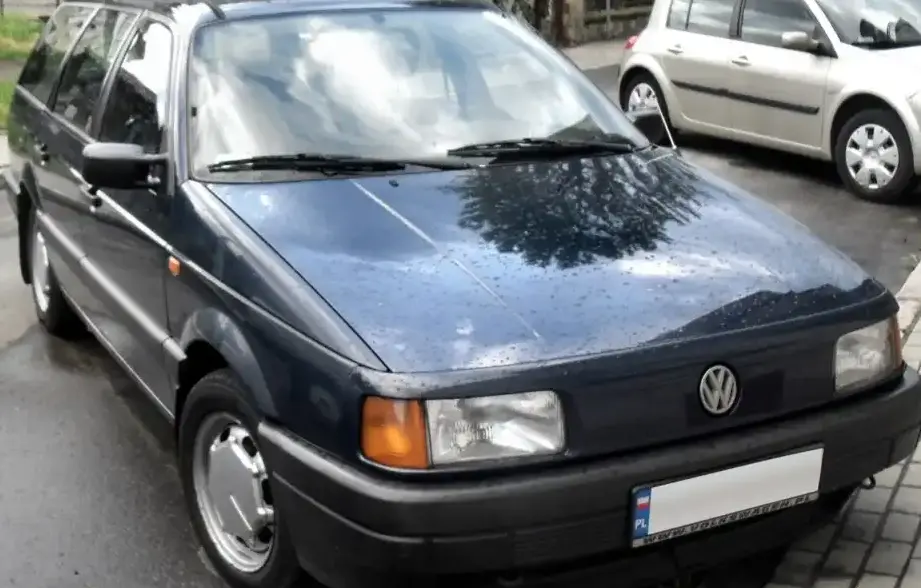
The Volkswagen Passat Variant (B3) 1.8, produced between 1988 and 1990, represents a key iteration within the third generation of Volkswagen’s popular mid-size offering. Positioned as a practical and relatively affordable option within the B3 Passat lineup, the 1.8-liter variant aimed to balance fuel efficiency with adequate performance for everyday driving. This station wagon, known as an ‘estate’ in many European markets, was a significant vehicle for Volkswagen, building upon the success of its predecessors and establishing the Passat as a strong competitor in the family car segment. It was built on the Volkswagen B3 platform, shared with the Golf Mk2 and Audi B3, offering a blend of practicality and relatively modern engineering for its time.
Technical Specifications
| Brand | Volkswagen |
| Model | Passat |
| Generation | Passat Variant (B3) |
| Type (Engine) | 1.8 (112 Hp) |
| Start of production | 1988 |
| End of production | 1990 |
| Powertrain Architecture | Internal Combustion engine |
| Body type | Station wagon (estate) |
| Fuel Type | Petrol (Gasoline) |
| Power | 112 Hp |
| Engine Model/Code | PB |
| Engine aspiration | Naturally aspirated engine |
| Engine oil capacity | 4 l / 4.23 US qt / 3.52 UK qt |
Powertrain & Engine Architecture
The Passat Variant (B3) 1.8 utilized the Volkswagen PB engine, a 1.8-liter inline four-cylinder gasoline engine. This engine was a naturally aspirated unit, meaning it did not employ a turbocharger or supercharger. The PB engine featured a cast iron block and an aluminum cylinder head, a common configuration for engines of this era. Fuel delivery was managed by Bosch mechanical fuel injection, a system that offered a balance between cost and performance. The engine employed a single overhead camshaft (SOHC) valvetrain with two valves per cylinder. This configuration contributed to the engine’s relatively smooth operation and acceptable power output for its displacement.
The transmission paired with the 1.8-liter engine was typically a four-speed automatic gearbox. This automatic transmission, while providing convenience, was not known for its particularly quick shifts or sporty feel. It was geared towards smooth, comfortable operation rather than maximizing performance. The automatic transmission was a key factor in positioning this variant as a more accessible and user-friendly option compared to the five-speed manual versions.
Driving Characteristics
The 112 horsepower and approximately 109 lb-ft of torque produced by the 1.8-liter PB engine provided adequate, but not exhilarating, performance in the Passat Variant (B3). Acceleration was reasonably brisk for everyday driving, but overtaking maneuvers required planning. The automatic transmission, while convenient, did detract from the overall responsiveness of the vehicle. Gear ratios were optimized for fuel economy and cruising comfort, rather than outright acceleration. Compared to the more powerful 1.8 or 2.0-liter versions with manual transmissions, the 1.8 automatic felt noticeably slower. However, it offered a more relaxed driving experience, particularly in urban environments.
The suspension setup, typical of B3 Passats, consisted of MacPherson struts in the front and a semi-independent torsion beam axle in the rear. This configuration provided a comfortable ride quality, but handling was not particularly sharp or sporty. The weight distribution, combined with the relatively soft suspension tuning, resulted in noticeable body roll during cornering. The steering was power-assisted, making it relatively light and easy to use, but lacked significant feedback.
Equipment & Trim Levels
The 1.8-liter Passat Variant (B3) typically represented a mid-range trim level. Standard equipment generally included cloth upholstery, power steering, and basic instrumentation. Air conditioning was often an optional extra, as were features like power windows and central locking. Interior trim was generally functional and durable, reflecting the car’s focus on practicality. The dashboard layout was typical of Volkswagen designs of the period, with a clear and straightforward arrangement of controls.
Optional extras could significantly enhance the comfort and convenience of the vehicle. Upgraded audio systems, sunroofs, and alloy wheels were common options. Higher trim levels might have included features like leather upholstery and more sophisticated instrumentation. The specific equipment level varied depending on the market and the individual customer’s preferences.
Chassis & Braking
The Passat Variant (B3) 1.8 featured a unibody construction, providing a good balance of strength and weight. The front suspension utilized MacPherson struts, coil springs, and an anti-roll bar. The rear suspension employed a semi-independent torsion beam axle, which was a cost-effective and space-efficient design. Braking systems varied depending on the market and specific configuration. Many models were equipped with front disc brakes and rear drum brakes. Higher-spec models sometimes featured disc brakes on all four wheels. The braking system was generally adequate for the vehicle’s weight and performance, but lacked the stopping power of more modern systems.
Market Reception & Comparison
The Passat Variant (B3) 1.8 automatic was generally well-received as a practical and reliable family car. Critics praised its spacious interior, comfortable ride, and fuel efficiency. However, the automatic transmission and relatively modest power output were often cited as drawbacks. Compared to the manual transmission versions and the more powerful engine options, the 1.8 automatic was considered less engaging to drive. However, it appealed to buyers who prioritized comfort and convenience over outright performance.
Fuel economy was a strong point for the 1.8-liter engine, particularly when paired with the automatic transmission. It offered a reasonable balance between fuel consumption and performance, making it an attractive option for drivers who covered long distances. Reliability was generally good, although the Bosch mechanical fuel injection system could require occasional maintenance. Compared to the later fuel injected versions, the mechanical system was more prone to needing adjustment.
Legacy
The Volkswagen Passat Variant (B3) 1.8 automatic has become a relatively common sight in the used car market. The PB engine is known for its durability and relatively simple construction, making it relatively easy to maintain. However, age-related issues, such as corrosion and wear on rubber components, are common. Parts availability is generally good, although some specific components may be becoming increasingly difficult to find. Today, these vehicles are often sought after by enthusiasts and collectors who appreciate their classic styling and relatively affordable price point. The 1.8 automatic variant, while not the most powerful or sporty version of the B3 Passat, remains a testament to Volkswagen’s commitment to building practical and reliable family cars.