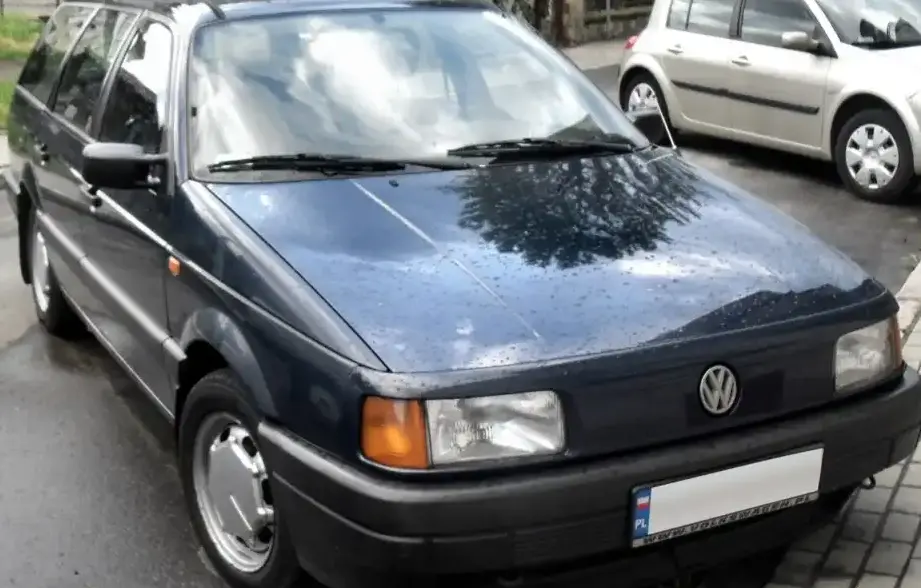
The Volkswagen Passat Variant (B3) 1.8, produced between 1988 and 1993, represented a significant evolution of Volkswagen’s popular mid-size offering. This variant, a station wagon (estate) based on the B3 Passat platform, aimed to provide a practical and comfortable family vehicle with a balance of performance and fuel efficiency. Positioned as a mid-range option within the B3 Passat lineup, the 1.8-liter engine offered a step up from the base models while remaining more accessible than the more powerful VR6 variants. It was a key model for Volkswagen in Europe, competing with other family wagons like the Ford Mondeo and Opel Vectra.
Technical Specifications
| Brand | Volkswagen |
| Model | Passat |
| Generation | Passat Variant (B3) |
| Type (Engine) | 1.8 (125 Hp) |
| Start of production | 1988 |
| End of production | 1993 |
| Powertrain Architecture | Internal Combustion engine |
| Body type | Station wagon (estate) |
| Seats | 5 |
| Fuel Type | Petrol (Gasoline) |
| Maximum speed | 260 km/h (161.56 mph) |
| Power | 125 Hp |
| Power per litre | 69.4 Hp/l |
| Engine displacement | 1800 cm3 (109.84 cu. in.) |
| Engine aspiration | Naturally aspirated engine |
| Fuel tank capacity | 62 l (16.38 US gal | 13.64 UK gal) |
| Front brakes | Disc |
| Rear brakes | Disc |
| Assisting systems | ABS (Anti-lock braking system) |
| Power steering | Hydraulic Steering |
Powertrain & Engine Architecture
The heart of the Passat Variant B3 1.8 was the 1.8-liter, naturally aspirated inline-four cylinder engine, typically identified by engine codes such as ABS or ADZ depending on the specific market and year. This engine was a relatively simple design, utilizing a cast iron block and an aluminum cylinder head. Fuel delivery was managed by Bosch Motronic fuel injection, a system that provided precise control over fuel metering for improved efficiency and reduced emissions. The engine featured a single overhead camshaft (SOHC) valvetrain with two valves per cylinder. While not a particularly high-revving engine, it delivered a respectable amount of torque for everyday driving. The 125 horsepower output was achieved through careful tuning of the fuel injection and ignition systems.
The engine was typically paired with a four-speed automatic transmission. This transmission, while providing convenience, wasn’t known for its sportiness. It prioritized smooth shifts and fuel economy over rapid acceleration. The gear ratios were geared towards comfortable cruising, making it well-suited for long highway journeys. A five-speed manual transmission was also available on other Passat variants, offering a more engaging driving experience and slightly improved fuel economy. The automatic transmission’s shift points were calibrated to maximize fuel efficiency, often holding gears longer to maintain lower engine speeds.
Driving Characteristics
The Passat Variant B3 1.8 with the automatic transmission offered a comfortable and predictable driving experience. Acceleration was adequate for merging onto highways and passing slower vehicles, but it wasn’t particularly brisk. The automatic transmission, while smooth, could feel somewhat sluggish, especially when attempting quick overtaking maneuvers. The engine produced a usable amount of torque at lower RPMs, making it easy to drive in city traffic. Compared to the manual transmission versions, the automatic models felt noticeably slower, with 0-60 mph times typically around 11-12 seconds. The higher-output VR6 variants offered significantly more power and a more dynamic driving experience, but at a higher price point. The suspension, tuned for comfort, absorbed bumps and imperfections in the road well, providing a stable and controlled ride. Steering was hydraulic, offering reasonable assistance at low speeds and a decent feel at higher speeds.
Equipment & Trim Levels
The Passat Variant B3 1.8 typically came equipped with a reasonable level of standard features. Interior upholstery was usually cloth, with options for upgraded velour or leather available at extra cost. The dashboard layout was functional and straightforward, with clearly labeled controls. Standard equipment often included power windows, central locking, and a basic stereo system. Optional extras included air conditioning, a sunroof, and upgraded sound systems. The trim level of the 1.8 variant generally fell in the mid-range of the B3 Passat lineup, offering a good balance of features and affordability. Higher trim levels, often associated with the VR6 engine, included more luxurious appointments such as wood trim and more advanced audio systems. Features like rear headrests and a trip computer were often available as options, enhancing comfort and convenience.
Chassis & Braking
The Passat Variant B3 featured an independent suspension system at the front, utilizing MacPherson struts and stabilizer bar. The rear suspension employed a semi-independent torsion beam axle. This setup provided a good compromise between ride comfort and handling. Braking duties were handled by disc brakes on all four wheels, providing adequate stopping power for the vehicle’s weight and performance. An Anti-lock Braking System (ABS) was often included as standard equipment, enhancing safety by preventing wheel lockup during hard braking. The stabilizer bar thickness was moderate, contributing to reduced body roll during cornering. The B3 Passat’s chassis was designed to prioritize comfort and practicality, rather than outright sporty handling.
Market Reception & Comparison
The Passat Variant B3 1.8 was generally well-received by automotive critics as a practical and reliable family wagon. It was praised for its spacious interior, comfortable ride, and reasonable fuel economy. However, some critics noted that the automatic transmission could feel sluggish and that the engine lacked the punch of the VR6 variants. Compared to the 1.6-liter base models, the 1.8 offered a noticeable improvement in performance. Fuel economy was competitive with other vehicles in its class, typically achieving around 28-32 mpg on the highway. Reliability was generally good, although routine maintenance was essential to prevent issues with the fuel injection system and cooling system. The 1.8 automatic was often seen as a good compromise for buyers who wanted a comfortable and practical wagon without the higher cost of the VR6.
Legacy
The Volkswagen Passat Variant B3 1.8 has proven to be a relatively durable and long-lasting vehicle. Many examples are still on the road today, a testament to their build quality and reliability. The 1.8-liter engine, while not particularly powerful, is known for its robustness and relatively simple maintenance requirements. In the used car market, these Passats are often sought after by enthusiasts and those looking for an affordable and practical classic car. Parts availability is generally good, although some specific components may be becoming increasingly difficult to find. The B3 Passat, and particularly the 1.8 variant, holds a nostalgic appeal for many drivers who remember it as a comfortable and dependable family vehicle. Its simple mechanical design makes it a relatively easy car to maintain for DIY mechanics, contributing to its continued presence on the roads.