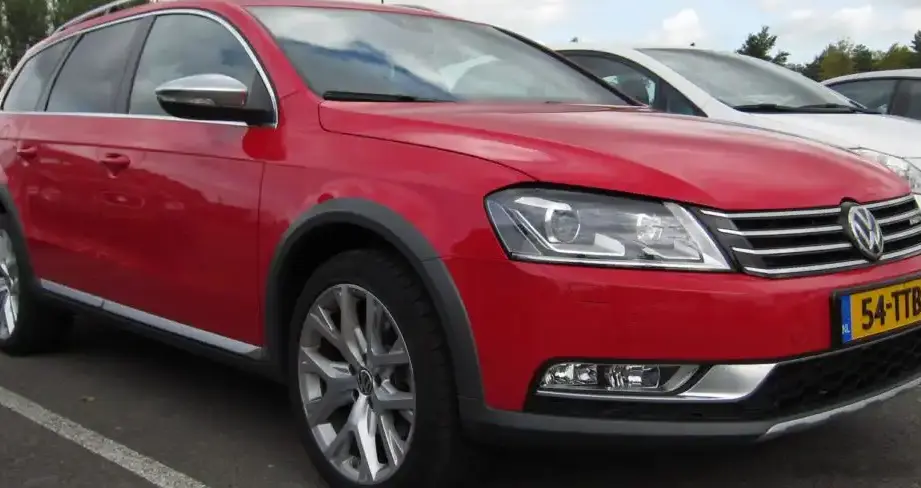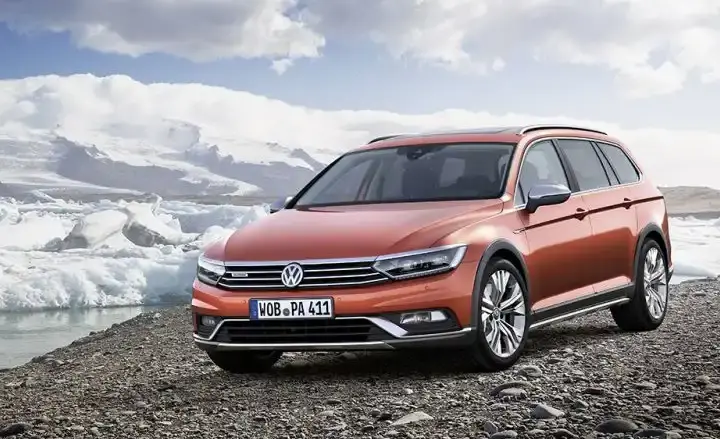
The Volkswagen Passat Variant (B3) 1.9 TD, produced between 1991 and 1993, represented a practical and fuel-efficient option within the broader B3 Passat lineup. Positioned as a diesel-powered wagon, it catered to buyers prioritizing economy and cargo space over outright performance. This variant was a key offering in the European market, where diesel engines and station wagons were exceptionally popular, offering a compelling alternative to gasoline-powered sedans and hatchbacks. The B3 Passat, launched in 1988, was a significant step forward for Volkswagen, building upon the success of the B2 model and introducing a more refined and spacious package. The 1.9 TD variant specifically utilized the AAZ engine code, a robust and relatively simple diesel powerplant.
Technical Specifications
| Brand | Volkswagen |
| Model | Passat |
| Generation | Passat Variant (B3) |
| Type (Engine) | 1.9 TD (75 Hp) |
| Start of production | 1991 |
| End of production | 1993 |
| Powertrain Architecture | Internal Combustion engine |
| Body type | Station wagon (estate) |
| Seats | 5 |
| Doors | 5 |
| Fuel consumption (combined) | 6.6 l/100 km (35.6 US mpg, 42.8 UK mpg, 15.2 km/l) |
| Fuel Type | Diesel |
| Acceleration 0 – 100 km/h | 18.3 sec |
| Acceleration 0 – 62 mph | 18.3 sec |
| Acceleration 0 – 60 mph | 17.4 sec |
| Maximum speed | 160 km/h (99.42 mph) |
| Weight-to-power ratio | 18.1 kg/Hp, 55.1 Hp/tonne |
| Weight-to-torque ratio | 9.7 kg/Nm, 102.9 Nm/tonne |
| Power | 75 Hp @ 4400 rpm |
| Power per litre | 39.6 Hp/l |
| Torque | 140 Nm @ 2400 rpm (103.26 lb.-ft. @ 2400 rpm) |
| Engine layout | Front, Transverse |
| Engine Model/Code | AAZ |
| Engine displacement | 1896 cm3 (115.7 cu. in.) |
| Number of cylinders | 4 |
| Engine configuration | Inline |
| Cylinder Bore | 79.5 mm (3.13 in.) |
| Piston Stroke | 95.5 mm (3.76 in.) |
| Compression ratio | 22.5:1 |
| Number of valves per cylinder | 2 |
| Fuel injection system | Precombustion chamber injection |
| Engine aspiration | Turbocharger |
| Valvetrain | OHC |
| Engine oil capacity | 4.3 l (4.54 US qt | 3.78 UK qt) |
| Coolant | 5 l (5.28 US qt | 4.4 UK qt) |
| Kerb Weight | 1360 kg (2998.29 lbs.) |
| Max. weight | 1790 kg (3946.27 lbs.) |
| Max load | 430 kg (947.99 lbs.) |
| Trunk (boot) space – minimum | 465 l (16.42 cu. ft.) |
| Trunk (boot) space – maximum | 1500 l (52.97 cu. ft.) |
| Fuel tank capacity | 70 l (18.49 US gal | 15.4 UK gal) |
| Length | 4595 mm (180.91 in.) |
| Width | 1720 mm (67.72 in.) |
| Height | 1445 mm (56.89 in.) |
| Wheelbase | 2625 mm (103.35 in.) |
| Front track | 1479 mm (58.23 in.) |
| Rear (Back) track | 1422 mm (55.98 in.) |
| Drivetrain Architecture | The Internal combustion engine (ICE) drives the front wheels of the vehicle. |
| Drive wheel | Front wheel drive |
| Number of gears and type of gearbox | 5 gears, manual transmission |
| Front suspension | Wishbone |
| Rear suspension | Suspension with traction connecting levers |
| Front brakes | Disc |
| Rear brakes | Drum |
| Assisting systems | ABS (Anti-lock braking system) |
| Steering type | Steering rack and pinion |
| Power steering | Hydraulic Steering |
| Tires size | 185/65 R14 |
| Wheel rims size | 14 |
Powertrain & Engine Architecture
The heart of the Passat Variant 1.9 TD was the AAZ engine, a 1.9-liter inline-four cylinder diesel engine. This engine utilized a precombustion chamber injection system, a common design for diesel engines of the era. This system involved injecting fuel into a small precombustion chamber connected to the main cylinder, where it was partially ignited before entering the main combustion chamber. This improved combustion efficiency and reduced engine noise. The engine was turbocharged, providing a modest boost in power and torque. The turbocharger helped to overcome the inherent limitations of naturally aspirated diesel engines, improving responsiveness and overall performance. The engine featured an overhead camshaft (OHC) valvetrain, operating two valves per cylinder. The AAZ engine was known for its durability and relatively simple construction, making it a reliable powerplant. The 5-speed manual transmission was the standard offering, providing a good balance between fuel economy and usability.
Driving Characteristics
The 1.9 TD engine, producing 75 horsepower, delivered modest performance in the Passat Variant. Acceleration was leisurely, with a 0-60 mph time of around 17.4 seconds. However, the engine’s 140 Nm (103 lb-ft) of torque, available from 2400 rpm, provided adequate pulling power for everyday driving and hauling loads. The manual transmission’s gear ratios were geared towards fuel efficiency, meaning the engine needed to be revved to access its full potential. Compared to the more powerful gasoline engines available in the B3 Passat range, such as the 1.8L or 2.0L options, the 1.9 TD prioritized fuel economy and low-end torque over outright speed. It also differed significantly from the later TDI (Turbocharged Direct Injection) engines, which offered substantially more power and refinement.
Equipment & Trim Levels
The Passat Variant 1.9 TD typically came with a fairly basic level of equipment, reflecting its position as a value-oriented model. Standard features generally included power steering, central locking, and a basic stereo system. Interior upholstery was typically cloth, and the dashboard featured a functional, if somewhat spartan, design. Optional extras included power windows, a sunroof, and upgraded audio systems. Trim levels varied depending on the market, but generally, the 1.9 TD was positioned as the entry-level or mid-range variant in the Passat lineup. The focus was on practicality and affordability rather than luxury.
Chassis & Braking
The Passat Variant B3 featured a front-wheel-drive layout with independent wishbone suspension at the front and a semi-independent suspension with traction connecting levers at the rear. This suspension setup provided a comfortable ride, although it wasn’t particularly sporty. Braking was handled by disc brakes at the front and drum brakes at the rear. An Anti-lock Braking System (ABS) was often included as standard equipment, enhancing safety. The chassis was designed to accommodate the weight of the wagon body and the diesel engine, providing a stable and predictable driving experience.
Market Reception & Comparison
The Passat Variant 1.9 TD was well-received in Europe as a practical and economical family car. Critics praised its fuel efficiency, spacious interior, and robust build quality. However, its performance was often criticized as being somewhat underwhelming. Compared to other trims in the Passat lineup, the 1.9 TD offered the best fuel economy but the slowest acceleration. The gasoline-powered models provided more spirited performance, while the later TDI variants offered a better balance of power and efficiency. Despite its modest performance, the 1.9 TD remained a popular choice for buyers who prioritized practicality and running costs.
Legacy
The AAZ engine, found in the Passat Variant 1.9 TD, is known for its exceptional durability and reliability. Many examples are still on the road today, testament to its robust construction. While not particularly sophisticated by modern standards, the engine is relatively easy to maintain and repair. In the used car market, the Passat Variant 1.9 TD is often sought after by enthusiasts looking for a simple, reliable, and economical classic car. Its reputation for longevity and affordability has ensured its continued popularity among those seeking a practical and dependable vehicle.