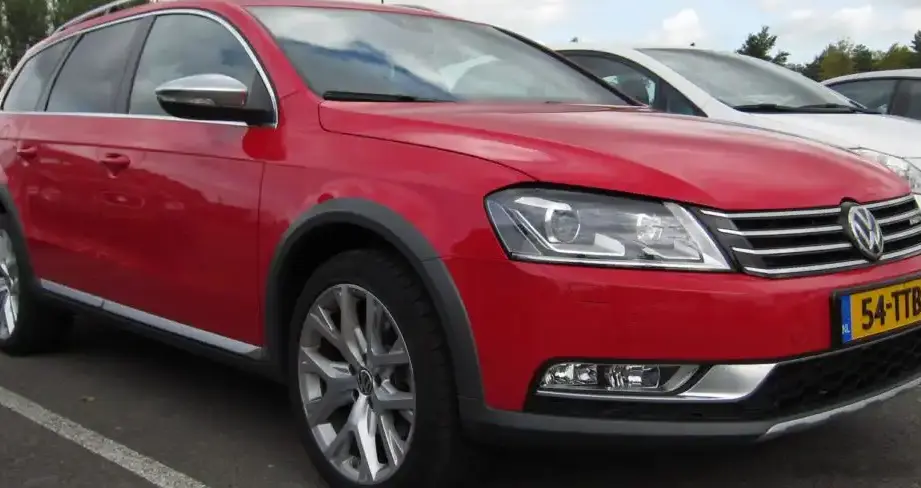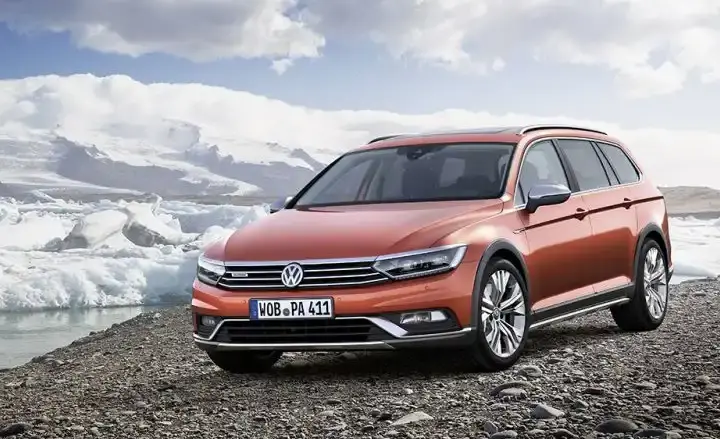
The Volkswagen Passat Variant (B3) 2.0 16V, produced between 1988 and 1993, represented a significant step forward for Volkswagen’s mid-size offering. Part of the B3 generation (internally designated Typ 35I), the Variant – Volkswagen’s term for a station wagon or estate – aimed to combine practicality with a more sporting character than previous Passat iterations. This particular 2.0 16V variant occupied a mid-range position in the lineup, offering a balance between performance, fuel economy, and price, appealing to buyers seeking a versatile family vehicle with a touch of refinement. It was a key model in solidifying the Passat’s presence in the European market, and a growing number began to appear in North America as grey market imports.
Technical Specifications
| Brand | Volkswagen |
| Model | Passat |
| Generation | Passat Variant (B3) |
| Type (Engine) | 2.0 16V (136 Hp) |
| Start of production | 1988 |
| End of production | 1993 |
| Powertrain Architecture | Internal Combustion engine |
| Body type | Station wagon (estate) |
| Seats | 5 |
| Doors | 5 |
| Fuel consumption (urban) | 12.5 l/100 km (18.8 US mpg, 22.6 UK mpg, 8 km/l) |
| Fuel consumption (extra urban) | 7.3 l/100 km (32.2 US mpg, 38.7 UK mpg, 13.7 km/l) |
| Fuel consumption (combined) | 9 l/100 km (26.1 US mpg, 31.4 UK mpg, 11.1 km/l) |
| Fuel Type | Petrol (Gasoline) |
| Acceleration 0 – 100 km/h | 10.4 sec |
| Acceleration 0 – 62 mph | 10.4 sec |
| Acceleration 0 – 60 mph | 9.9 sec |
| Maximum speed | 200 km/h (124.27 mph) |
| Weight-to-power ratio | 9.1 kg/Hp, 110.1 Hp/tonne |
| Weight-to-torque ratio | 6.9 kg/Nm, 145.7 Nm/tonne |
| Power | 136 Hp @ 5800 rpm |
| Power per litre | 68.5 Hp/l |
| Torque | 180 Nm @ 4400 rpm (132.76 lb.-ft. @ 4400 rpm) |
| Engine layout | Front, Transverse |
| Engine Model/Code | 9A |
| Engine displacement | 1984 cm3 (121.07 cu. in.) |
| Number of cylinders | 4 |
| Engine configuration | Inline |
| Cylinder Bore | 82.5 mm (3.25 in.) |
| Piston Stroke | 92.8 mm (3.65 in.) |
| Compression ratio | 10.8:1 |
| Number of valves per cylinder | 4 |
| Fuel injection system | Multi-port manifold injection |
| Engine aspiration | Naturally aspirated engine |
| Valvetrain | DOHC |
| Engine oil capacity | 4 l (4.23 US qt | 3.52 UK qt) |
| Coolant capacity | 5 l (5.28 US qt | 4.4 UK qt) |
| Kerb Weight | 1235 kg (2722.71 lbs.) |
| Max. weight | 1780 kg (3924.23 lbs.) |
| Max load | 545 kg (1201.52 lbs.) |
| Trunk (boot) space – minimum | 465 l (16.42 cu. ft.) |
| Trunk (boot) space – maximum | 1500 l (52.97 cu. ft.) |
| Fuel tank capacity | 70 l (18.49 US gal | 15.4 UK gal) |
| Length | 4595 mm (180.91 in.) |
| Width | 1720 mm (67.72 in.) |
| Height | 1455 mm (57.28 in.) |
| Wheelbase | 2625 mm (103.35 in.) |
| Front track | 1479 mm (58.23 in.) |
| Rear track | 1422 mm (55.98 in.) |
| Drivetrain Architecture | Front wheel drive |
| Drive wheel | Front wheel drive |
| Number of gears | 5 gears, manual transmission |
| Front suspension | Wishbone |
| Rear suspension | Suspension with traction connecting levers |
| Front brakes | Ventilated discs |
| Rear brakes | Disc |
| Assisting systems | ABS (Anti-lock braking system) |
| Steering type | Steering rack and pinion |
| Power steering | Hydraulic Steering |
| Tires size | 185/65 R14 |
| Wheel rims size | 14 |
Powertrain & Engine Architecture
The heart of the Passat Variant 2.0 16V was the 9A engine code, a 1984cc inline-four cylinder powerplant. This engine featured a dual overhead camshaft (DOHC) design with four valves per cylinder, a significant upgrade over earlier Passat engines. This 16-valve configuration allowed for improved breathing and higher revs, contributing to the engine’s increased power output. Fuel delivery was handled by Bosch multi-port fuel injection, providing precise fuel metering for optimal combustion. The engine’s 10.8:1 compression ratio further enhanced performance. The engine was transversely mounted, a common layout for front-wheel-drive vehicles, and paired with a five-speed manual transmission. While an automatic transmission was available, the manual was favored by enthusiasts for its more engaging driving experience and slightly improved fuel economy.
Driving Characteristics
The 2.0 16V Passat Variant offered a noticeable step up in performance compared to the base 1.6 or 1.8 liter models. With 136 horsepower, acceleration to 60 mph took around 9.9 seconds, and it could reach a top speed of 124 mph. While not a sports car, the 2.0 16V provided ample power for comfortable highway cruising and overtaking. The five-speed manual transmission allowed drivers to keep the engine in its sweet spot, maximizing torque and responsiveness. The gear ratios were well-chosen for everyday driving, providing good acceleration in lower gears and relaxed cruising at higher speeds. Compared to the later VR6 models, the 2.0 16V offered a lighter front end and more predictable handling, though it lacked the VR6’s distinctive exhaust note and outright power.
Equipment & Trim Levels
The 2.0 16V Passat Variant typically came with a reasonably well-equipped interior. Standard features included power steering, central locking, electric windows, and a basic stereo system. Upholstery was usually cloth, with options for upgraded velour or leather available. Higher trim levels added features like air conditioning, a sunroof, and alloy wheels. The dashboard layout was functional and straightforward, with clearly labeled controls. Optional extras included a trip computer, heated seats, and upgraded audio systems.
Chassis & Braking
The B3 Passat Variant utilized an independent front suspension with wishbones and a semi-independent rear suspension with trailing arms. This setup provided a good balance between ride comfort and handling. The 2.0 16V models typically featured ventilated disc brakes on the front wheels and solid discs on the rear, providing adequate stopping power for the vehicle’s weight and performance. Anti-lock braking system (ABS) was available as an option, enhancing safety in slippery conditions. Stabilizer bars were fitted to both the front and rear axles to reduce body roll during cornering.
Market Reception & Comparison
The Passat Variant 2.0 16V was generally well-received by automotive critics. It was praised for its spacious interior, comfortable ride, and improved performance compared to lower-spec models. Fuel economy was considered reasonable for a vehicle of its size and class, averaging around 26 mpg in combined driving. Compared to the 1.8 liter models, the 2.0 16V offered a noticeable performance boost, making it a more enjoyable car to drive. However, it was more expensive to purchase and maintain than the base models. The VR6 variant, while more powerful, was also significantly more expensive and had a reputation for higher fuel consumption and more complex maintenance requirements.
Legacy
The Volkswagen Passat Variant (B3) 2.0 16V has proven to be a relatively reliable vehicle, with many examples still on the road today. The 9A engine is known for its durability, although regular maintenance is essential to prevent issues such as oil leaks and timing belt failure. Parts availability is generally good, although some specific trim pieces may be difficult to find. In the used car market, the 2.0 16V Variant is sought after by enthusiasts who appreciate its blend of practicality, performance, and classic Volkswagen styling. It represents a sweet spot in the B3 Passat lineup, offering a good balance of features and affordability.