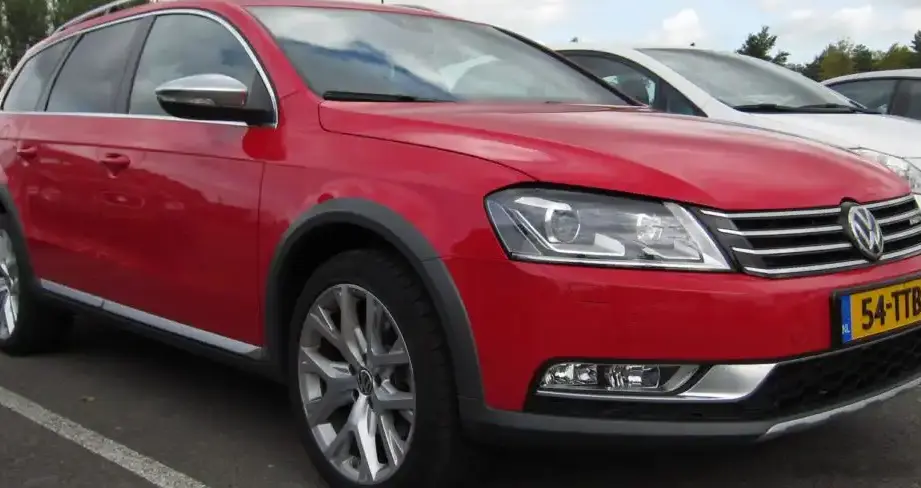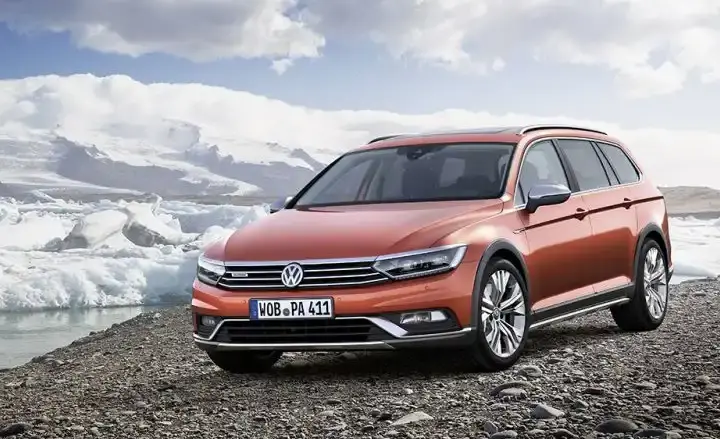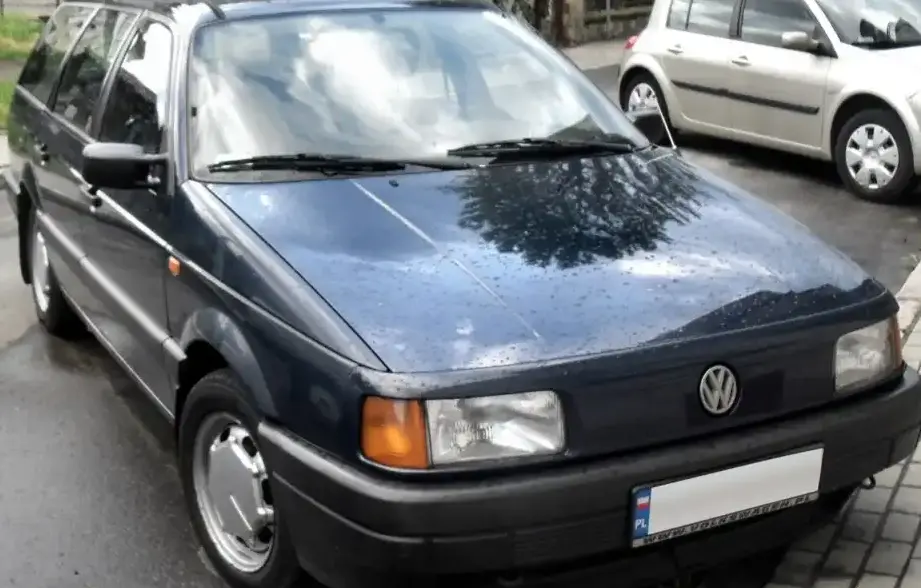
The Volkswagen Passat Variant (B4) 2.0 16V, produced between 1993 and 1997, represented a significant offering within the B4 Passat range. This variant, a station wagon (estate) body style, was positioned as a performance-oriented option, bridging the gap between the more economical base models and the range-topping VR6. It was primarily marketed in Europe, where the demand for practical, yet engaging, family vehicles was high. The B4 Passat, built on the Volkswagen Group’s B4 platform (also known as the 1HX0 platform), aimed to provide a more refined and spacious alternative to the aging B3 series.
Technical Specifications
| Brand | Volkswagen |
| Model | Passat |
| Generation | Passat Variant (B4) |
| Type (Engine) | 2.0 16V (150 Hp) |
| Start of production | 1993 |
| End of production | 1997 |
| Powertrain Architecture | Internal Combustion engine |
| Body type | Station wagon (estate) |
| Seats | 5 |
| Doors | 5 |
| Fuel consumption (urban) | 12.2 l/100 km (19.3 US mpg, 23.2 UK mpg, 8.2 km/l) |
| Fuel consumption (extra urban) | 6.5 l/100 km (36.2 US mpg, 43.5 UK mpg, 15.4 km/l) |
| Fuel consumption (combined) | 9 l/100 km (26.1 US mpg, 31.4 UK mpg, 11.1 km/l) |
| Fuel Type | Petrol (Gasoline) |
| Acceleration 0 – 100 km/h | 9.9 sec |
| Acceleration 0 – 62 mph | 9.9 sec |
| Acceleration 0 – 60 mph | 9.4 sec |
| Maximum speed | 199 km/h (123.65 mph) |
| Emission standard | Euro 2 |
| Weight-to-power ratio | 9 kg/Hp, 111.5 Hp/tonne |
| Weight-to-torque ratio | 7.5 kg/Nm, 133.8 Nm/tonne |
| Power | 150 Hp @ 6000 rpm |
| Power per litre | 75.6 Hp/l |
| Torque | 180 Nm @ 4800 rpm (132.76 lb.-ft. @ 4800 rpm) |
| Engine layout | Front, Transverse |
| Engine Model/Code | ABF |
| Engine displacement | 1984 cm3 (121.07 cu. in.) |
| Number of cylinders | 4 |
| Engine configuration | Inline |
| Cylinder Bore | 82.5 mm (3.25 in.) |
| Piston Stroke | 92.8 mm (3.65 in.) |
| Compression ratio | 10.5:1 |
| Number of valves per cylinder | 4 |
| Fuel injection system | Multi-port manifold injection |
| Engine aspiration | Naturally aspirated engine |
| Valvetrain | DOHC |
| Engine oil capacity | 4 l (4.23 US qt | 3.52 UK qt) |
| Coolant | 5 l (5.28 US qt | 4.4 UK qt) |
| Kerb Weight | 1345 kg (2965.22 lbs.) |
| Max. weight | 1890 kg (4166.74 lbs.) |
| Max load | 545 kg (1201.52 lbs.) |
| Trunk (boot) space – minimum | 465 l (16.42 cu. ft.) |
| Trunk (boot) space – maximum | 1500 l (52.97 cu. ft.) |
| Fuel tank capacity | 70 l (18.49 US gal | 15.4 UK gal) |
| Max. roof load | 75 kg (165.35 lbs.) |
| Permitted trailer load with brakes (12%) | 1500 kg (3306.93 lbs.) |
| Permitted trailer load without brakes | 650 kg (1433 lbs.) |
| Length | 4595 mm (180.91 in.) |
| Width | 1720 mm (67.72 in.) |
| Height | 1445 mm (56.89 in.) |
| Wheelbase | 2625 mm (103.35 in.) |
| Front track | 1485 mm (58.46 in.) |
| Rear (Back) track | 1428 mm (56.22 in.) |
| Front overhang | 915 mm (36.02 in.) |
| Rear overhang | 1055 mm (41.54 in.) |
| Minimum turning circle (turning diameter) | 10.7 m (35.1 ft.) |
| Drivetrain Architecture | The Internal combustion engine (ICE) drives the front wheels of the vehicle. |
| Drive wheel | Front wheel drive |
| Number of gears and type of gearbox | 5 gears, manual transmission |
| Front suspension | Coil spring, Wishbone, Transverse stabilizer |
| Rear suspension | Wishbone, Transverse stabilizer, Coil spring |
| Front brakes | Ventilated discs |
| Rear brakes | Disc |
| Assisting systems | ABS (Anti-lock braking system) |
| Steering type | Steering rack and pinion |
| Power steering | Hydraulic Steering |
| Tires size | 205/50 R15 |
| Wheel rims size | 6J x 15 |
Powertrain & Engine Architecture
The heart of the Passat Variant 2.0 16V was the ABF engine, a 1.984-liter, naturally aspirated inline-four cylinder powerplant. This engine was a development of the earlier 1.8-liter 16V units, featuring increased displacement and refined cylinder head design. The ‘16V’ designation refers to the four valves per cylinder (dual overhead camshafts – DOHC), which enhanced breathing and contributed to the engine’s higher output. Fuel delivery was managed by a Bosch Motronic multi-port fuel injection system, optimizing air-fuel mixture for improved efficiency and performance. The ABF engine was known for its robust construction and relatively simple design, making it easier to maintain compared to more complex contemporary engines. The engine was transversely mounted, driving the front wheels. The standard transmission was a five-speed manual, although a four-speed automatic transmission was also available, albeit less common and impacting performance.
Driving Characteristics
The 2.0 16V Passat Variant offered a noticeable step up in performance compared to the base 1.6-liter models. With 150 horsepower and 180 Nm (133 lb-ft) of torque, it provided brisk acceleration, achieving 0-60 mph in approximately 9.4 seconds and a top speed of 123.65 mph. While not a sports car, the 2.0 16V felt responsive and capable, particularly when unladen. The five-speed manual transmission allowed drivers to exploit the engine’s powerband effectively, while the optional automatic, though convenient, resulted in some power loss and a less engaging driving experience. The suspension, tuned for comfort, provided a reasonably compliant ride, although it could feel slightly soft during spirited cornering.
Equipment & Trim Levels
The Passat Variant 2.0 16V typically came equipped with a reasonable level of standard features. These included central locking, power windows, power steering, and an adjustable steering column. Interior upholstery was usually cloth, with options for upgraded velour or leather. Depending on the market and optional packages, features like air conditioning, a sunroof, alloy wheels, and an upgraded audio system were available. The trim level often dictated the exterior detailing, with higher-spec models featuring body-colored bumpers and side moldings.
Chassis & Braking
The B4 Passat Variant featured an independent suspension setup at all four wheels. The front utilized coil springs and wishbones, while the rear employed a semi-independent wishbone setup with coil springs. A transverse stabilizer bar was fitted to both axles to reduce body roll. Braking was handled by ventilated discs at the front and solid discs at the rear, providing adequate stopping power for the vehicle’s weight and performance. Anti-lock Braking System (ABS) was standard, enhancing safety and control during emergency braking situations.
Market Reception & Comparison
The Passat Variant 2.0 16V was generally well-received by automotive critics. It was praised for its blend of practicality, performance, and refinement. Compared to the base models, the 2.0 16V offered a significant improvement in driving enjoyment. However, it wasn’t as sporty as the VR6 variant, which offered even more power and a more aggressive driving experience. Fuel economy was reasonable for its class, averaging around 26.1 US mpg in combined driving. Reliability was generally good, although regular maintenance was essential to ensure the longevity of the engine and other components.
Legacy
The ABF engine, found in the Passat Variant 2.0 16V, has earned a reputation for durability and tunability. Many examples are still on the road today, testament to their robust construction. In the used car market, these variants are sought after by enthusiasts who appreciate their classic styling and engaging driving characteristics. While maintenance costs can increase with age, the ABF engine remains relatively straightforward to work on, making it a popular choice for those who enjoy DIY repairs. The Passat Variant 2.0 16V represents a sweet spot in the B4 Passat lineup, offering a compelling combination of practicality, performance, and affordability.