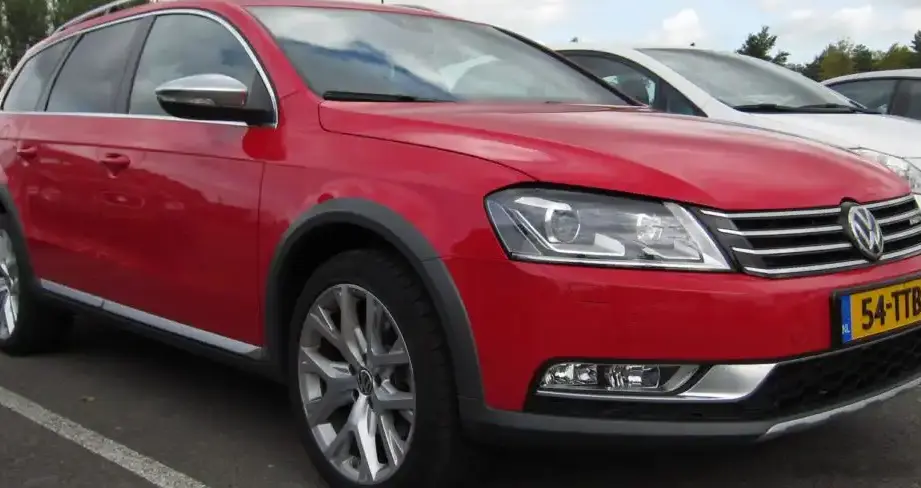
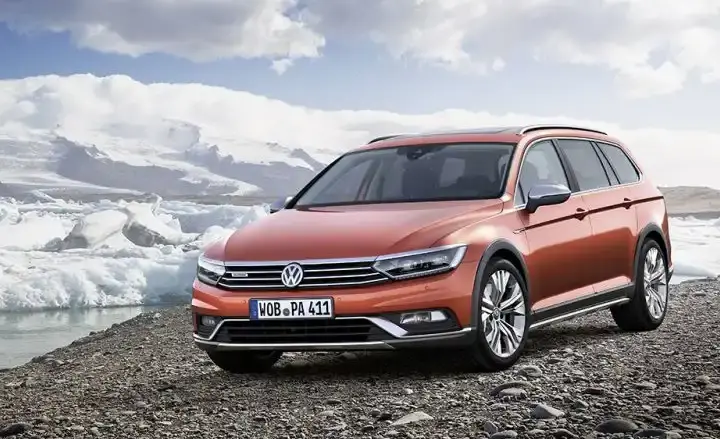
The Volkswagen Passat Variant (B5) 2.0 i, produced primarily during the 2000 model year, represented a key offering within the fifth generation (B5) Passat lineup. Positioned as a mid-range trim level, this variant combined the practicality of the Passat wagon body style with a fuel-efficient and relatively accessible 2.0-liter inline-four engine. The B5 Passat, launched in 1996, was a significant step forward for Volkswagen, moving the brand further upmarket and offering a more refined driving experience. The Variant (estate) body style was particularly popular in Europe, catering to buyers needing ample cargo space without sacrificing comfort or style. This specific 2.0i configuration aimed to balance performance with affordability, making it a common sight on European roads.
Technical Specifications
| Brand | Volkswagen |
| Model | Passat |
| Generation | Passat Variant (B5) |
| Type (Engine) | 2.0 i (115 Hp) |
| Start of production | 2000 |
| End of production | 2000 |
| Powertrain Architecture | Internal Combustion engine |
| Body type | Station wagon (estate) |
| Seats | 5 |
| Doors | 5 |
| Fuel consumption (urban) | 12 l/100 km (19.6 US mpg) |
| Fuel consumption (extra urban) | 6.6 l/100 km (35.6 US mpg) |
| Fuel Type | Petrol (Gasoline) |
| Acceleration 0 – 100 km/h | 11.5 sec |
| Acceleration 0 – 62 mph | 11.5 sec |
| Acceleration 0 – 60 mph | 10.9 sec |
| Maximum speed | 194 km/h (120.55 mph) |
| Weight-to-power ratio | 12.1 kg/Hp |
| Weight-to-torque ratio | 8.1 kg/Nm |
| Power | 115 Hp @ 5400 rpm |
| Torque | 172 Nm @ 3200 rpm (126.86 lb.-ft. @ 3200 rpm) |
| Engine layout | Front, Longitudinal |
| Engine Model/Code | AZM, BFF |
| Engine displacement | 1984 cm3 (121.07 cu. in.) |
| Number of cylinders | 4 |
| Engine configuration | Inline |
| Cylinder Bore | 82.5 mm (3.25 in.) |
| Piston Stroke | 92.8 mm (3.65 in.) |
| Compression ratio | 10.3:1 |
| Number of valves per cylinder | 2 |
| Fuel injection system | Multi-port manifold injection |
| Engine aspiration | Naturally aspirated |
| Engine oil capacity | 4 l (4.23 US qt | 3.52 UK qt) |
| Coolant capacity | 7 l (7.4 US qt | 6.16 UK qt) |
| Kerb Weight | 1395 kg (3075.45 lbs.) |
| Max. weight | 1960 kg (4321.06 lbs.) |
| Max load | 565 kg (1245.61 lbs.) |
| Trunk (boot) space – minimum | 495 l (17.48 cu. ft.) |
| Trunk (boot) space – maximum | 1600 l (56.5 cu. ft.) |
| Fuel tank capacity | 62 l (16.38 US gal | 13.64 UK gal) |
| Length | 4683 mm (184.37 in.) |
| Width | 1746 mm (68.74 in.) |
| Height | 1498 mm (58.98 in.) |
| Wheelbase | 2703 mm (106.42 in.) |
| Front track | 1515 mm (59.65 in.) |
| Rear track | 1515 mm (59.65 in.) |
| Drivetrain Architecture | Front wheel drive |
| Number of gears | 5 |
| Gearbox type | Manual transmission |
| Front suspension | Coil spring |
| Rear suspension | Coil spring |
| Front brakes | Ventilated discs |
| Rear brakes | Disc |
| Assisting systems | ABS (Anti-lock braking system) |
| Steering type | Steering rack and pinion |
| Power steering | Hydraulic |
| Tires size | 195/65 R15 |
| Wheel rims size | 6J x 15 |
Powertrain & Engine Architecture
The heart of the Passat Variant 2.0 i was the 1984cc (121.07 cubic inches) inline-four cylinder engine, typically identified by engine codes AZM or BFF depending on specific market and emissions regulations. This engine belonged to Volkswagen’s EA827 family, known for its durability and relatively simple design. It featured a cast iron block and an aluminum cylinder head with two valves per cylinder (eight valves total). Fuel delivery was handled by a Bosch Motronic multi-port fuel injection system, providing precise control over the air-fuel mixture. The engine’s 10.3:1 compression ratio contributed to its respectable power output for its displacement. The five-speed manual transmission was the standard offering, providing a balance between fuel efficiency and driver control. The engine was mounted longitudinally, a configuration common in front-wheel-drive Volkswagen models of this era, allowing for a more balanced weight distribution.
Driving Characteristics
The 115 horsepower and 126.86 lb-ft of torque produced by the 2.0-liter engine provided adequate, though not exhilarating, performance. Acceleration from 0 to 60 mph took around 10.9 seconds, and top speed was approximately 120.55 mph. Compared to the more powerful VR6 variants, the 2.0i felt noticeably slower, particularly when fully loaded or climbing hills. However, it offered a smoother and more fuel-efficient driving experience. The five-speed manual transmission was well-matched to the engine’s characteristics, with gear ratios designed to maximize fuel economy and provide reasonable acceleration. The gear ratios were taller than those found in the sportier VR6 models, prioritizing comfort over outright performance. The front-wheel-drive configuration provided predictable handling, although it lacked the all-weather capability of the 4Motion all-wheel-drive system available on some Passat variants.
Equipment & Trim Levels
The 2.0 i trim level typically included standard features such as power windows, central locking, power steering, and an anti-lock braking system (ABS). Interior upholstery was usually cloth, with a relatively simple dashboard layout. Optional extras included air conditioning, a sunroof, alloy wheels, and a radio/cassette player. Higher trim levels, such as the GLX, offered more luxurious features like leather upholstery, automatic climate control, and upgraded audio systems. The 2.0i variant was often seen as a good value proposition, offering a solid level of equipment for its price point.
Chassis & Braking
The Passat B5 Variant featured independent suspension at all four wheels, utilizing coil springs and shock absorbers. The front suspension employed MacPherson struts, while the rear suspension used a multi-link setup. This configuration provided a comfortable ride and good handling characteristics. Braking duties were handled by ventilated discs at the front and solid discs at the rear. The ABS system helped to maintain steering control during hard braking. Stabilizer bars were fitted to both the front and rear axles to reduce body roll during cornering. The chassis was designed to provide a balance between comfort and handling, making it suitable for both everyday driving and longer journeys.
Market Reception & Comparison
The Passat Variant 2.0 i was generally well-received by automotive critics as a practical and reliable family car. It was praised for its spacious interior, comfortable ride, and fuel efficiency. However, some critics noted that the engine lacked the power and refinement of the VR6 variants. Compared to other station wagons in its class, such as the Ford Mondeo Estate and the Opel/Vauxhall Vectra Estate, the Passat offered a more premium feel and a more sophisticated driving experience. Fuel economy was competitive, averaging around 35.6 US mpg on the highway. Reliability was generally good, although some owners reported issues with the cooling system and electrical components.
Legacy
The Passat B5 Variant 2.0 i remains a popular choice among used car buyers, particularly in Europe. The engine is known for its durability and relatively low maintenance costs. While not as sought-after as the VR6 models, the 2.0i offers a good balance of affordability, reliability, and practicality. Parts availability is generally good, and the car is relatively easy to maintain. Today, well-maintained examples of the Passat B5 Variant 2.0 i can still provide years of reliable service, making it a testament to Volkswagen’s engineering prowess.