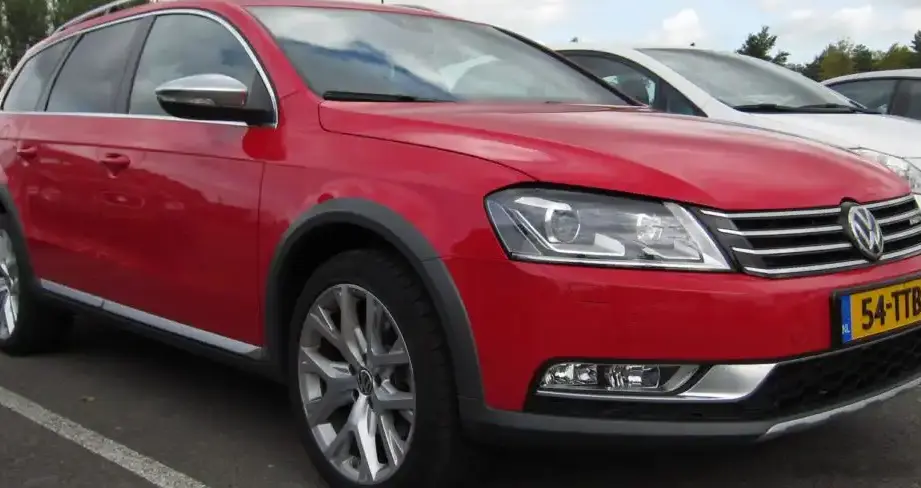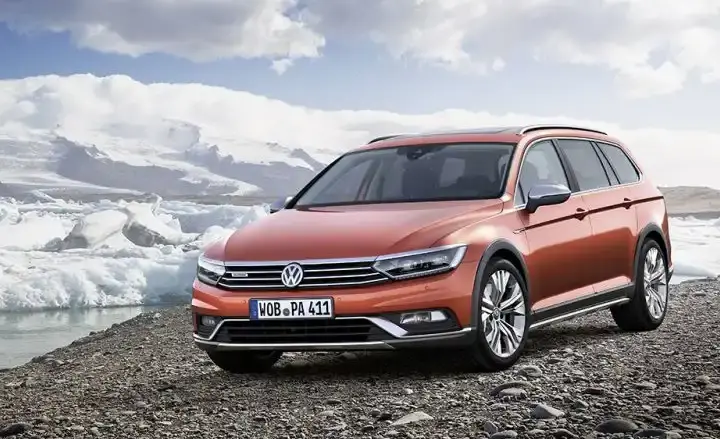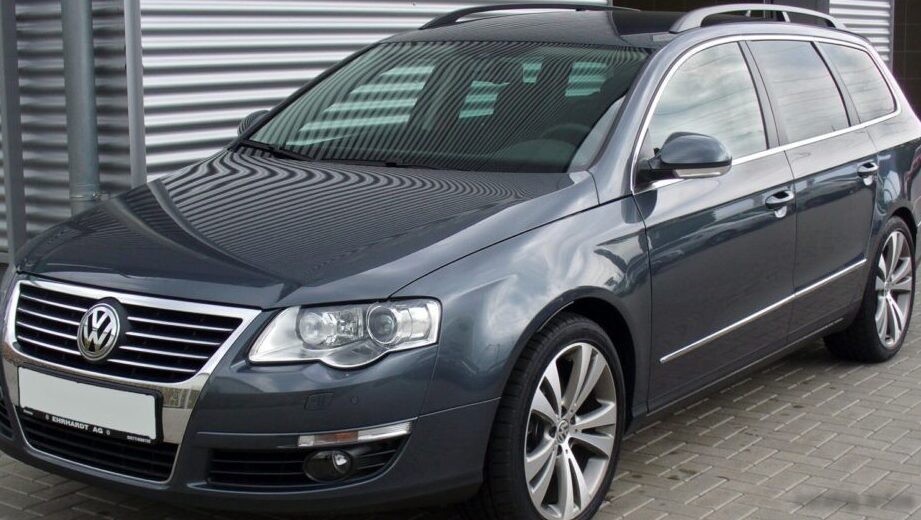
The Volkswagen Passat Variant (B6) 1.9 TDI PDE, produced from 2005 to October 2008, represented a practical and fuel-efficient option within the broader B6 Passat range. Positioned as a mid-range offering, particularly in European markets, this variant combined the versatility of a station wagon (estate) body style with Volkswagen’s renowned diesel technology. It was a key component of the B6 generation, built on the 1HX0/A3 platform, and aimed at buyers prioritizing economy and space over outright performance. The “PDE” designation refers to the Pump-nozzle (Unit Injector) fuel injection system, a defining characteristic of this engine.
Technical Specifications
| Brand | Volkswagen |
| Model | Passat |
| Generation | Passat Variant (B6) |
| Type (Engine) | 1.9 TDI PDE (105 Hp) |
| Start of production | 2005 |
| End of production | October, 2008 |
| Powertrain Architecture | Internal Combustion engine |
| Body type | Station wagon (estate) |
| Seats | 5 |
| Doors | 5 |
| Fuel consumption (urban) | 7.4 l/100 km (31.8 US mpg, 38.2 UK mpg, 13.5 km/l) |
| Fuel consumption (extra urban) | 4.9 l/100 km (48 US mpg, 57.6 UK mpg, 20.4 km/l) |
| Fuel consumption (combined) | 5.8 l/100 km (40.6 US mpg, 48.7 UK mpg, 17.2 km/l) |
| Fuel Type | Diesel |
| Acceleration 0 – 100 km/h | 12.4 sec |
| Acceleration 0 – 62 mph | 12.4 sec |
| Acceleration 0 – 60 mph | 11.8 sec |
| Maximum speed | 185 km/h (114.95 mph) |
| Weight-to-power ratio | 14.1 kg/Hp, 71.1 Hp/tonne |
| Weight-to-torque ratio | 5.9 kg/Nm, 169.3 Nm/tonne |
| Power | 105 Hp @ 4000 rpm |
| Power per litre | 55.4 Hp/l |
| Torque | 250 Nm @ 1900 rpm (184.39 lb.-ft. @ 1900 rpm) |
| Engine layout | Front, Transverse |
| Engine Model/Code | EA188 / BKC |
| Engine displacement | 1896 cm3 (115.7 cu. in.) |
| Number of cylinders | 4 |
| Engine configuration | Inline |
| Cylinder Bore | 79.5 mm (3.13 in.) |
| Piston Stroke | 95.5 mm (3.76 in.) |
| Compression ratio | 19:1 |
| Number of valves per cylinder | 2 |
| Fuel injection system | Pump-nozzle (Unit Injector) |
| Engine aspiration | Turbocharger, Intercooler |
| Engine oil capacity | 3.8 l (4.02 US qt | 3.34 UK qt) |
| Coolant | 8 l (8.45 US qt | 7.04 UK qt) |
| Kerb Weight | 1477 kg (3256.23 lbs.) |
| Max. weight | 2100 kg (4629.71 lbs.) |
| Max load | 623 kg (1373.48 lbs.) |
| Trunk (boot) space – minimum | 603 l (21.29 cu. ft.) |
| Trunk (boot) space – maximum | 1731 l (61.13 cu. ft.) |
| Fuel tank capacity | 70 l (18.49 US gal | 15.4 UK gal) |
| Length | 4774 mm (187.95 in.) |
| Width | 1820 mm (71.65 in.) |
| Height | 1517 mm (59.72 in.) |
| Wheelbase | 2709 mm (106.65 in.) |
| Front track | 1552 mm (61.1 in.) |
| Rear (Back) track | 1551 mm (61.06 in.) |
| Minimum turning circle | 11.4 m (37.4 ft.) |
| Drivetrain Architecture | Front wheel drive |
| Drive wheel | Front wheel drive |
| Number of gears | 5 gears, manual transmission |
| Front suspension | Spring Strut |
| Rear suspension | Coil spring |
| Front brakes | Ventilated discs |
| Rear brakes | Disc |
| Assisting systems | ABS (Anti-lock braking system) |
| Steering type | Steering rack and pinion |
| Tires size | 205/55 R16 |
| Wheel rims size | 6.5J x 16 |
Powertrain & Engine Architecture
The heart of this Passat Variant was the 1.9-liter (1896 cc) inline-four cylinder diesel engine, specifically the EA188 series, identified by the engine code BKC. This engine utilized a sophisticated Pump-nozzle (PDE) fuel injection system developed by Bosch. Unlike common rail systems, PDE injects fuel directly into the cylinder at extremely high pressure using individual pumps for each cylinder, resulting in improved combustion efficiency and reduced engine noise. The engine featured a single overhead camshaft (SOHC) operating two valves per cylinder. A turbocharger with an intercooler was employed to boost power output and improve torque across a wider RPM range. The 105 horsepower peak was achieved at 4000 rpm, while the 250 Nm (184 lb-ft) of torque was readily available from as low as 1900 rpm. The engine was transversely mounted in the front of the vehicle, driving the front wheels.
Driving Characteristics
The 1.9 TDI PDE with the five-speed manual transmission offered a balanced driving experience. While not particularly quick – 0-60 mph took around 11.8 seconds – it provided ample torque for everyday driving and comfortable highway cruising. The gear ratios were tuned for fuel efficiency, meaning the engine didn’t rev particularly high. Compared to the more powerful 2.0 TDI variants, this 1.9 TDI felt less strained when fully loaded, and the lower power output meant less stress on the drivetrain. The five-speed gearbox was generally well-matched to the engine’s characteristics, although some drivers found it could benefit from a sixth gear for even lower engine speeds at highway speeds. The automatic transmission option, while offering convenience, typically resulted in slightly reduced fuel economy and a less engaging driving experience.
Equipment & Trim Levels
The 1.9 TDI PDE variant typically came equipped with a reasonable level of standard features. Interior upholstery was usually cloth, with options for upgraded materials available. Standard equipment often included air conditioning, power windows, central locking, and an integrated radio/CD player. Higher trim levels, such as Trendline or Comfortline, added features like alloy wheels, upgraded audio systems, climate control, and parking sensors. Optional extras included a sunroof, leather upholstery, and a navigation system. The Passat Variant’s spacious interior and large trunk (603-1731 liters) were key selling points, making it a practical choice for families and those needing to transport large items.
Chassis & Braking
The B6 Passat Variant featured a MacPherson strut front suspension and a multi-link rear suspension, providing a comfortable and controlled ride. The suspension was tuned to prioritize comfort over sporty handling. Braking duties were handled by ventilated discs on the front wheels and solid discs on the rear. Anti-lock Braking System (ABS) was standard. The chassis was designed to accommodate the weight of the diesel engine and the larger dimensions of the station wagon body style. Stabilizer bars were fitted to both the front and rear axles to reduce body roll during cornering.
Market Reception & Comparison
The 1.9 TDI PDE Passat Variant was well-received in European markets, where diesel engines were – and continue to be – highly popular. Critics praised its fuel efficiency, spaciousness, and comfortable ride. Compared to the more powerful 2.0 TDI variants, the 1.9 TDI offered a lower purchase price and slightly better fuel economy, but at the expense of performance. The 1.9 TDI was also generally considered more reliable than some of the later, more complex 2.0 TDI engines. Against competitors like the Ford Mondeo Estate and Opel/Vauxhall Vectra Estate, the Passat Variant offered a compelling combination of practicality, refinement, and fuel efficiency.
Legacy
The 1.9 TDI PDE engine, particularly the BKC code, proved to be a robust and reliable unit when properly maintained. While PDE systems can be more sensitive to fuel quality than common rail systems, they are generally durable. Today, these Passat Variants are readily available on the used car market and represent a relatively affordable option for those seeking a practical and fuel-efficient station wagon. However, potential buyers should be aware of the age-related issues common to older vehicles, such as wear and tear on suspension components and potential issues with the turbocharger. Despite its age, the 1.9 TDI PDE Passat Variant remains a popular choice for those prioritizing economy and practicality.