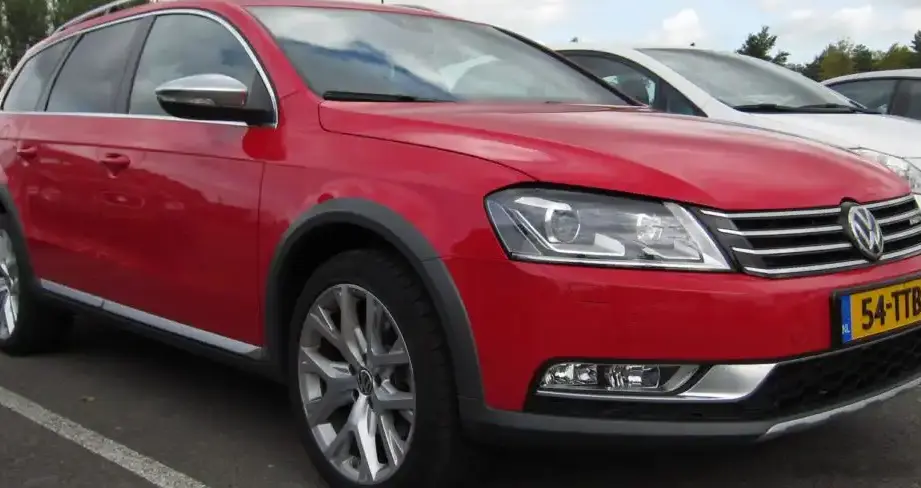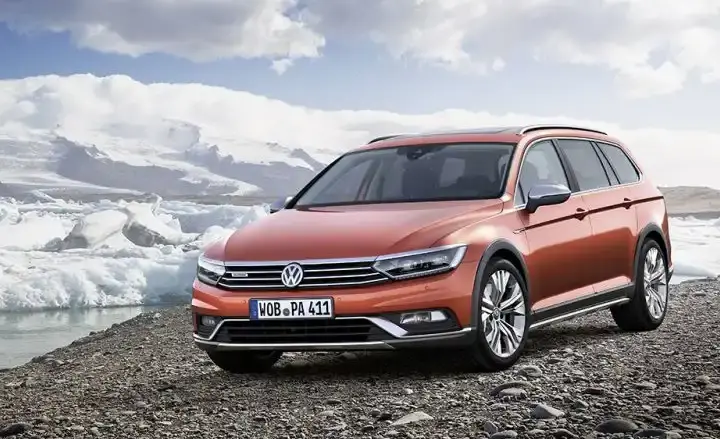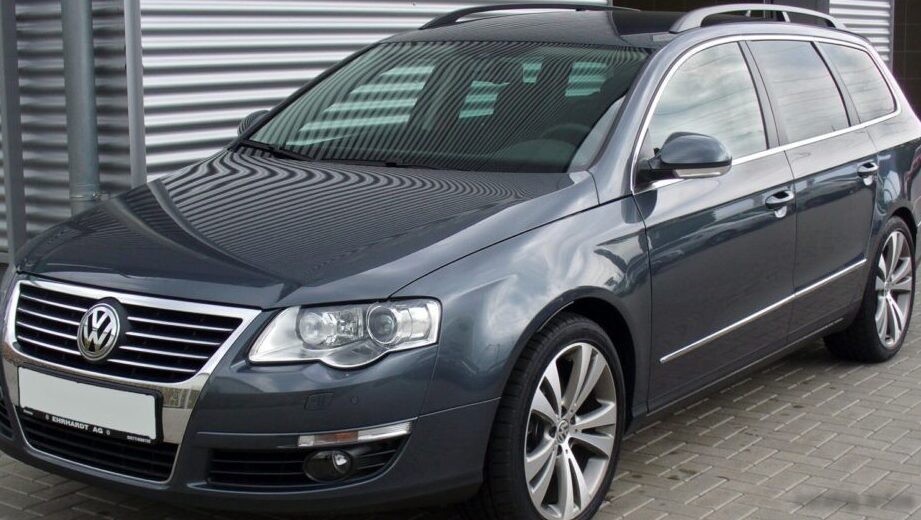
The Volkswagen Passat Variant (B6) 2.0i 16V TFSI, produced from January 2008 to July 2010, represented a significant offering in Volkswagen’s mid-size wagon lineup. Positioned as a more performance-oriented version of the B6 Passat Variant, it slotted between the more economical base models and the range-topping trims. This variant was primarily aimed at the European market, where wagons (or ‘estates’ as they are often called) held a strong appeal, offering a blend of practicality, comfort, and a more engaging driving experience than the standard Passat. It utilized the Volkswagen Group’s B6 platform (also known as the 1HX0/A3 platform), shared with models like the Audi A4 and Škoda Superb.
Technical Specifications
| Brand | Volkswagen |
| Model | Passat |
| Generation | Passat Variant (B6) |
| Type (Engine) | 2.0i 16V TFSI (200 Hp) |
| Start of production | January, 2008 |
| End of production | July, 2010 |
| Powertrain Architecture | Internal Combustion engine |
| Body type | Station wagon (estate) |
| Seats | 5 |
| Doors | 5 |
| Fuel consumption (urban) | 11.3 l/100 km (20.8 US mpg, 25 UK mpg, 8.8 km/l) |
| Fuel consumption (extra urban) | 6.4 l/100 km (36.8 US mpg, 44.1 UK mpg, 15.6 km/l) |
| Fuel consumption (combined) | 8.2 l/100 km (28.7 US mpg, 34.4 UK mpg, 12.2 km/l) |
| Fuel Type | Petrol (Gasoline) |
| Acceleration 0 – 100 km/h | 7.8 sec |
| Acceleration 0 – 62 mph | 7.8 sec |
| Acceleration 0 – 60 mph | 7.4 sec |
| Maximum speed | 232 km/h (144.16 mph) |
| Weight-to-power ratio | 7.5 kg/Hp, 133.3 Hp/tonne |
| Weight-to-torque ratio | 5.4 kg/Nm, 186.7 Nm/tonne |
| Power | 200 Hp @ 5100 rpm |
| Power per litre | 100.8 Hp/l |
| Torque | 280 Nm @ 1800-5000 rpm (206.52 lb.-ft. @ 1800-5000 rpm) |
| Engine layout | Front, Transverse |
| Engine Model/Code | BPY, CAWB, CCTA, CCZA |
| Engine displacement | 1984 cm3 (121.07 cu. in.) |
| Number of cylinders | 4 |
| Engine configuration | Inline |
| Cylinder Bore | 82.5 mm (3.25 in.) |
| Piston Stroke | 92.8 mm (3.65 in.) |
| Compression ratio | 10.3:1 |
| Number of valves per cylinder | 4 |
| Fuel injection system | Direct injection |
| Engine aspiration | Turbocharger, Intercooler |
| Valvetrain | DOHC |
| Engine oil capacity | 4.6 l (4.86 US qt | 4.05 UK qt) |
| Kerb Weight | 1500 kg (3306.93 lbs.) |
| Max. weight | 2130 kg (4695.85 lbs.) |
| Max load | 630 kg (1388.91 lbs.) |
| Trunk (boot) space – minimum | 603 l (21.29 cu. ft.) |
| Trunk (boot) space – maximum | 1731 l (61.13 cu. ft.) |
| Fuel tank capacity | 70 l (18.49 US gal | 15.4 UK gal) |
| Length | 4774 mm (187.95 in.) |
| Width | 1820 mm (71.65 in.) |
| Height | 1517 mm (59.72 in.) |
| Wheelbase | 2709 mm (106.65 in.) |
| Front track | 1552 mm (61.1 in.) |
| Rear (Back) track | 1551 mm (61.06 in.) |
| Minimum turning circle | 11.4 m (37.4 ft.) |
| Drivetrain Architecture | The Internal combustion engine (ICE) drives the front wheels of the vehicle. |
| Drive wheel | Front wheel drive |
| Number of gears and type of gearbox | 6 gears, manual transmission |
| Front suspension | Spring Strut |
| Rear suspension | Coil spring |
| Front brakes | Ventilated discs |
| Rear brakes | Disc |
| Assisting systems | ABS (Anti-lock braking system) |
| Steering type | Steering rack and pinion |
| Tires size | 215/55 R16 |
| Wheel rims size | 7J x 16 |
Powertrain & Engine Architecture
At the heart of the 2.0i 16V TFSI Passat Variant was the EA888 engine family, specifically the 1.8/2.0-liter turbocharged four-cylinder. The engine codes commonly associated with this output are BPY, CAWB, CCTA, and CCZA, though variations existed depending on the specific market and year. This engine featured direct fuel injection (FSI – Fuel Stratified Injection) which allowed for precise fuel delivery and improved combustion efficiency. The engine utilized a double overhead camshaft (DOHC) valvetrain with four valves per cylinder, contributing to its relatively high power output for its displacement. A turbocharger with an intercooler was employed to boost power and torque. The 200 horsepower and 280 Nm (206 lb-ft) of torque were respectable figures for the time, providing a good balance between performance and fuel economy. The six-speed manual transmission was standard, offering precise shifts and driver control.
Driving Characteristics
The 2.0i TFSI Passat Variant offered a noticeably more spirited driving experience compared to the lower-powered engine options. Acceleration to 60 mph was achieved in around 7.4-7.8 seconds, making it a capable performer for everyday driving and longer journeys. The turbocharger provided a noticeable surge of power in the mid-range, making overtaking maneuvers relatively effortless. While not a sports car, the Passat Variant 2.0i TFSI offered a comfortable and composed ride, with well-weighted steering and predictable handling. The six-speed manual transmission allowed drivers to fully exploit the engine’s powerband, while the gear ratios were well-chosen for both acceleration and cruising efficiency. Compared to the diesel variants, the 2.0i TFSI offered a more responsive and engaging driving experience, albeit with slightly higher fuel consumption.
Equipment & Trim Levels
The 2.0i TFSI Passat Variant typically came with a generous level of standard equipment. This included features like air conditioning, power windows, power mirrors, a CD stereo system, and alloy wheels. Higher trim levels added features such as leather upholstery, a sunroof, automatic climate control, and a more advanced audio system. Optional extras included navigation systems, parking sensors, and upgraded interior trim options. The interior design was generally functional and well-built, with a focus on ergonomics and practicality. The wagon body style provided ample cargo space, making it ideal for families or those who frequently needed to transport large items.
Chassis & Braking
The B6 Passat Variant featured a MacPherson strut front suspension and a multi-link rear suspension, providing a comfortable and controlled ride. The suspension was tuned to balance handling and comfort, making it suitable for a variety of road conditions. Brakes consisted of ventilated discs at the front and solid discs at the rear. Anti-lock Braking System (ABS) was standard, enhancing safety and stability during braking. The steering was a rack and pinion system, providing precise and responsive steering feel. The chassis was designed to provide good rigidity and stability, contributing to the car’s overall handling characteristics.
Market Reception & Comparison
The 2.0i TFSI Passat Variant was generally well-received by automotive critics. It was praised for its strong performance, comfortable ride, and spacious interior. However, some critics noted that the fuel economy was not as good as the diesel variants. Compared to other wagons in its class, such as the Ford Mondeo Estate and the Opel/Vauxhall Vectra Estate, the Passat Variant offered a more refined and upscale driving experience. The 2.0i TFSI engine provided a good balance between performance and fuel economy, making it a popular choice for those who wanted a more engaging driving experience without sacrificing practicality.
Legacy
The EA888 engine family, including the 2.0i TFSI variant found in the B6 Passat Variant, has proven to be relatively reliable, although preventative maintenance is crucial. Common issues include carbon buildup on the intake valves (a characteristic of direct injection engines) and potential oil consumption. The B6 Passat Variant, in general, has maintained a reasonable level of popularity in the used car market, particularly among those seeking a practical and comfortable wagon. The 2.0i TFSI variant remains a desirable option for those who prioritize performance and driving enjoyment. With proper maintenance, these engines can provide many years of reliable service, making the B6 Passat Variant 2.0i TFSI a solid choice for a used car purchase.