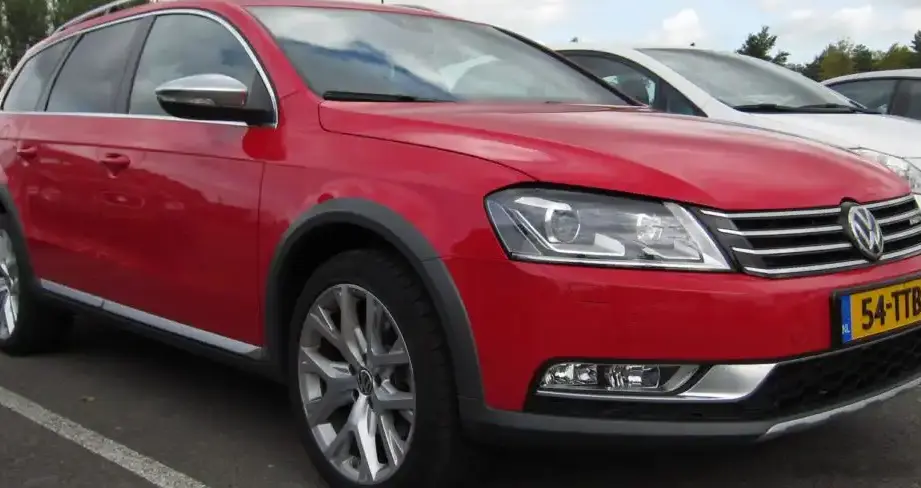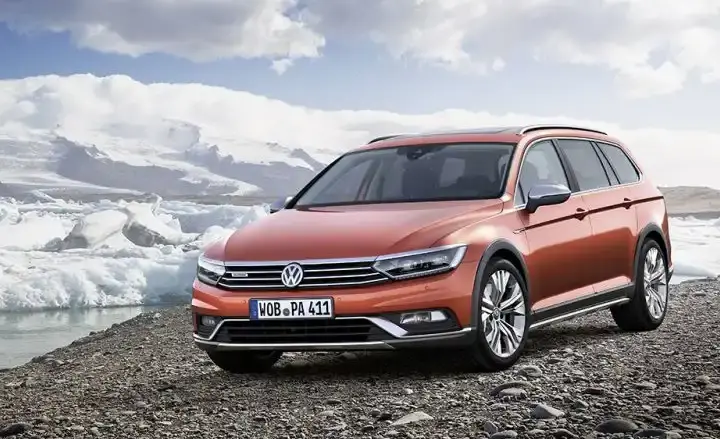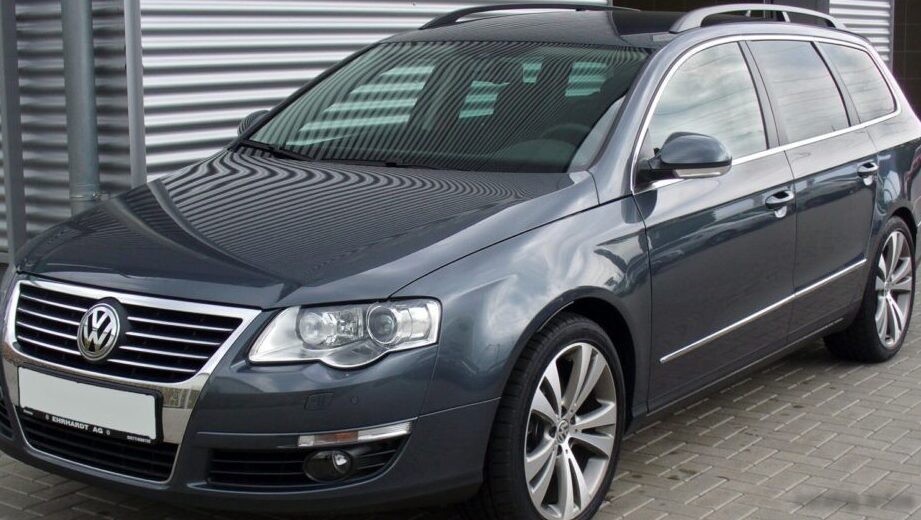
The Volkswagen Passat Variant (B6) 2.0i 16V TFSI Automatic, produced from January 2008 to July 2010, represents a compelling blend of practicality and performance within the B6 Passat range. Positioned as a mid-to-upper trim level, this variant offered buyers a more spirited driving experience than the base models while remaining more accessible than the range-topping options. It was primarily marketed in Europe as a family-oriented vehicle emphasizing space, comfort, and a refined driving experience. The B6 generation Passat, built on the 1HX0/A3 platform, aimed to elevate Volkswagen’s presence in the competitive mid-size segment.
Technical Specifications
| Brand | Volkswagen |
| Model | Passat |
| Generation | Passat Variant (B6) |
| Type (Engine) | 2.0i 16V TFSI (200 Hp) Automatic |
| Start of production | January, 2008 |
| End of production | July, 2010 |
| Powertrain Architecture | Internal Combustion engine |
| Body type | Station wagon (estate) |
| Seats | 5 |
| Doors | 5 |
| Fuel consumption (economy) – urban | 12.8 l/100 km (18.4 US mpg, 22.1 UK mpg, 7.8 km/l) |
| Fuel consumption (economy) – extra urban | 6.8 l/100 km (34.6 US mpg, 41.5 UK mpg, 14.7 km/l) |
| Fuel consumption (economy) – combined | 9 l/100 km (26.1 US mpg, 31.4 UK mpg, 11.1 km/l) |
| Fuel Type | Petrol (Gasoline) |
| Acceleration 0 – 100 km/h | 7.8 sec |
| Acceleration 0 – 62 mph | 7.8 sec |
| Acceleration 0 – 60 mph | 7.4 sec |
| Maximum speed | 227 km/h (141.05 mph) |
| Weight-to-power ratio | 7.5 kg/Hp, 133.3 Hp/tonne |
| Weight-to-torque ratio | 5.4 kg/Nm, 186.7 Nm/tonne |
| Power | 200 Hp @ 5100 rpm |
| Power per litre | 100.8 Hp/l |
| Torque | 280 Nm @ 1800-5000 rpm (206.52 lb.-ft. @ 1800-5000 rpm) |
| Engine layout | Front, Transverse |
| Engine Model/Code | BPY, CAWB, CCTA, CCZA |
| Engine displacement | 1984 cm3 (121.07 cu. in.) |
| Number of cylinders | 4 |
| Engine configuration | Inline |
| Cylinder Bore | 82.5 mm (3.25 in.) |
| Piston Stroke | 92.8 mm (3.65 in.) |
| Compression ratio | 10.3:1 |
| Number of valves per cylinder | 4 |
| Fuel injection system | Direct injection |
| Engine aspiration | Turbocharger, Intercooler |
| Valvetrain | DOHC |
| Engine oil capacity | 4.6 l (4.86 US qt | 4.05 UK qt) |
| Kerb Weight | 1500 kg (3306.93 lbs.) |
| Max. weight | 2130 kg (4695.85 lbs.) |
| Max load | 630 kg (1388.91 lbs.) |
| Trunk (boot) space – minimum | 603 l (21.29 cu. ft.) |
| Trunk (boot) space – maximum | 1731 l (61.13 cu. ft.) |
| Fuel tank capacity | 70 l (18.49 US gal | 15.4 UK gal) |
| Length | 4774 mm (187.95 in.) |
| Width | 1820 mm (71.65 in.) |
| Height | 1517 mm (59.72 in.) |
| Wheelbase | 2709 mm (106.65 in.) |
| Front track | 1552 mm (61.1 in.) |
| Rear (Back) track | 1551 mm (61.06 in.) |
| Minimum turning circle | 11.4 m (37.4 ft.) |
| Drivetrain Architecture | The Internal combustion engine (ICE) drives the front wheels of the vehicle. |
| Drive wheel | Front wheel drive |
| Number of gears and type of gearbox | 6 gears, automatic transmission |
| Front suspension | Spring Strut |
| Rear suspension | Coil spring |
| Front brakes | Ventilated discs |
| Rear brakes | Disc |
| Assisting systems | ABS (Anti-lock braking system) |
| Steering type | Steering rack and pinion |
| Tires size | 215/55 R16 |
| Wheel rims size | 7J X 16 |
Powertrain & Engine Architecture
At the heart of the Passat Variant 2.0i TFSI Automatic lies the 1.984-liter, inline-four cylinder engine. This engine, identified by codes such as BPY, CAWB, CCTA, and CCZA depending on the specific production year and market, utilizes direct fuel injection (FSI) and a turbocharger with an intercooler to deliver a substantial 200 horsepower at 5100 rpm and 280 Nm (206.52 lb-ft) of torque between 1800 and 5000 rpm. The direct injection system allows for precise fuel delivery, enhancing both power and fuel efficiency. The engine features a dual overhead camshaft (DOHC) valvetrain with four valves per cylinder, optimizing gas flow for improved performance. The six-speed automatic transmission, typically a Tiptronic unit, was chosen for its smooth operation and convenience, catering to drivers prioritizing comfort over outright sporty engagement.
Driving Characteristics
The 200 hp output, coupled with the six-speed automatic, provided the Passat Variant 2.0i TFSI with respectable performance. Acceleration from 0 to 100 km/h (0-62 mph) took approximately 7.8 seconds, making it noticeably quicker than the base engine options. While not as engaging as the manual transmission variants, the automatic offered smooth and predictable gear changes. The torque curve, relatively flat between 1800 and 5000 rpm, ensured good responsiveness in everyday driving situations. Compared to the 1.6-liter or 1.4-liter TSI engines, the 2.0i TFSI offered a more effortless driving experience, particularly when fully loaded or tackling inclines. However, it lacked the raw responsiveness of the higher-performance models like those equipped with the VR6 engine.
Equipment & Trim Levels
The 2.0i TFSI Automatic trim typically included a generous array of standard features. Interior appointments generally featured comfortable cloth upholstery, although leather options were available. Standard equipment often included climate control, a multi-function steering wheel, an infotainment system with a CD player and radio, and electric windows and mirrors. Optional extras could include a sunroof, navigation system, upgraded audio system, and parking sensors. Safety features such as ABS, traction control, and multiple airbags were standard across the range.
Chassis & Braking
The Passat Variant B6 utilized a MacPherson strut front suspension and a multi-link rear suspension, providing a comfortable and controlled ride. The front brakes were ventilated discs, while the rear brakes were typically solid discs, offering adequate stopping power for the vehicle’s weight and performance. Anti-lock Braking System (ABS) was standard. Stabilizer bars were fitted front and rear to reduce body roll during cornering. The suspension tuning was geared towards comfort and stability, prioritizing a smooth ride over aggressive handling.
Market Reception & Comparison
The Passat Variant 2.0i TFSI Automatic was generally well-received by automotive critics. It was praised for its refined engine, comfortable ride, and spacious interior. Fuel economy, while not exceptional, was considered reasonable for a vehicle of its size and performance. Compared to other trims, the 2.0i TFSI offered a compelling balance between performance and fuel efficiency. The 1.6-liter models were more economical but lacked the power of the 2.0i, while the VR6 offered more performance but at the cost of increased fuel consumption. Reliability was generally good, although some owners reported issues with the turbocharger and fuel injectors over the long term.
Legacy
The Volkswagen Passat Variant (B6) 2.0i TFSI Automatic remains a popular choice in the used car market. The 2.0 TFSI engine, while requiring regular maintenance, is generally considered durable. However, potential buyers should be aware of potential issues with the timing chain and high-pressure fuel pump. The automatic transmission is generally reliable, but fluid changes should be performed according to the manufacturer’s recommendations. Overall, this variant offers a good combination of practicality, comfort, and performance, making it a viable option for those seeking a well-rounded family estate car.