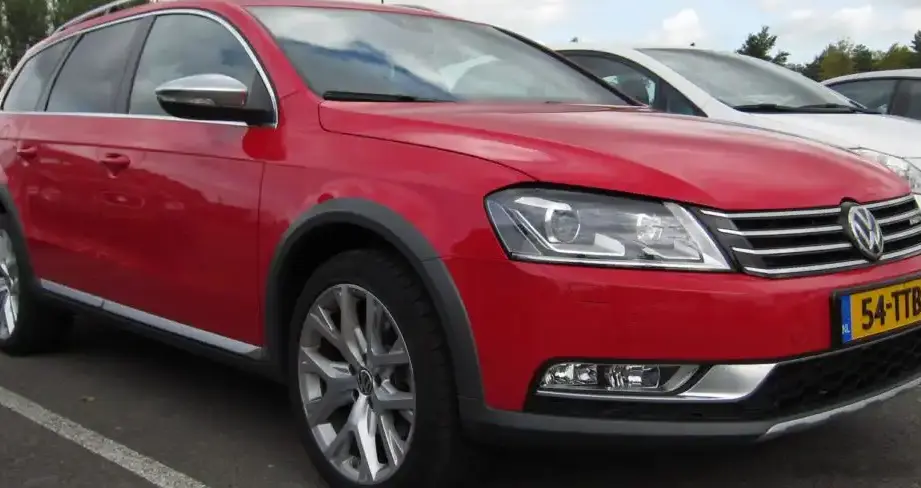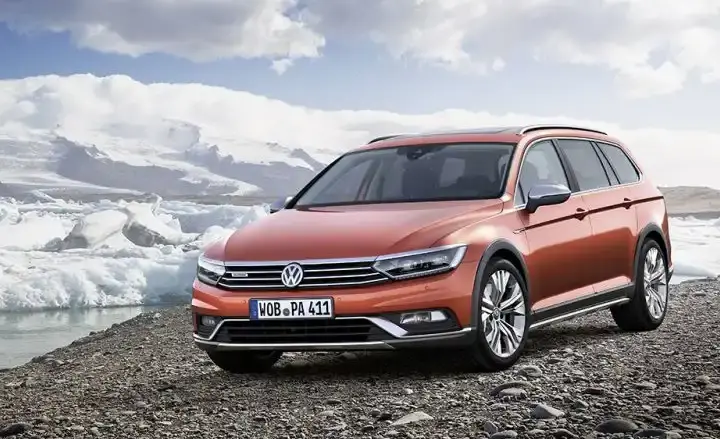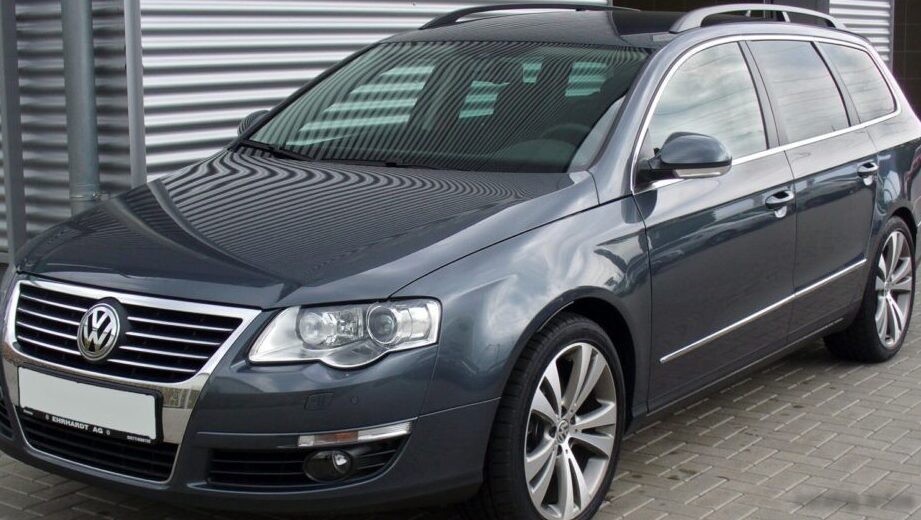
The Volkswagen Passat Variant (B6) R36 3.6 V6 FSI 4MOTION, produced from January 2008 to July 2010, represented the performance pinnacle of the B6 Passat wagon range. Positioned as a premium offering, it combined a potent 300 horsepower V6 engine with Volkswagen’s 4MOTION all-wheel-drive system, aiming to deliver a blend of practicality, performance, and all-weather capability. This variant was primarily marketed in Europe, where the demand for high-performance wagons remained strong, offering a compelling alternative to traditional sports sedans.
Technical Specifications
| Brand | Volkswagen |
| Model | Passat |
| Generation | Passat Variant (B6) |
| Type (Engine) | R36 3.6 V6 FSI (300 Hp) 4MOTION |
| Start of production | January, 2008 |
| End of production | July, 2010 |
| Powertrain Architecture | Internal Combustion engine |
| Body type | Station wagon (estate) |
| Seats | 5 |
| Doors | 5 |
| Fuel consumption (economy) – urban | 14.7 l/100 km (16 US mpg, 19.2 UK mpg, 6.8 km/l) |
| Fuel consumption (economy) – extra urban | 8.1 l/100 km (29 US mpg, 34.9 UK mpg, 12.3 km/l) |
| Fuel consumption (economy) – combined | 10.5 l/100 km (22.4 US mpg, 26.9 UK mpg, 9.5 km/l) |
| CO2 emissions | 249 g/km |
| Fuel Type | Petrol (Gasoline) |
| Acceleration 0 – 100 km/h | 5.8 sec |
| Acceleration 0 – 62 mph | 5.8 sec |
| Acceleration 0 – 60 mph | 5.5 sec |
| Maximum speed | 250 km/h (155.34 mph), Electronically limited |
| Emission standard | Euro 5 |
| Weight-to-power ratio | 5.8 kg/Hp, 173.9 Hp/tonne |
| Weight-to-torque ratio | 4.9 kg/Nm, 202.9 Nm/tonne |
| Power | 300 Hp @ 6600 rpm |
| Power per litre | 83.4 Hp/l |
| Torque | 350 Nm @ 2400-5300 rpm (258.15 lb.-ft. @ 2400-5300 rpm) |
| Engine layout | Front, Transverse |
| Engine Model/Code | BWS |
| Engine displacement | 3597 cm3 (219.5 cu. in.) |
| Number of cylinders | 6 |
| Engine configuration | V-engine |
| Cylinder Bore | 89 mm (3.5 in.) |
| Piston Stroke | 96.4 mm (3.8 in.) |
| Compression ratio | 11.4:1 |
| Number of valves per cylinder | 4 |
| Fuel injection system | Direct injection |
| Engine aspiration | Naturally aspirated engine |
| Valvetrain | DOHC |
| Engine oil capacity | 5.5 l (5.81 US qt | 4.84 UK qt) |
| Coolant | 9 l (9.51 US qt | 7.92 UK qt) |
| Kerb Weight | 1725 kg (3802.97 lbs.) |
| Max. weight | 2350 kg (5180.86 lbs.) |
| Max load | 625 kg (1377.89 lbs.) |
| Trunk (boot) space – minimum | 588 l (20.77 cu. ft.) |
| Trunk (boot) space – maximum | 1716 l (60.6 cu. ft.) |
| Fuel tank capacity | 70 l (18.49 US gal | 15.4 UK gal) |
| Max. roof load | 100 kg (220.46 lbs.) |
| Permitted trailer load with brakes (8%) | 2200 kg (4850.17 lbs.) |
| Permitted trailer load with brakes (12%) | 2200 kg (4850.17 lbs.) |
| Permitted trailer load without brakes | 750 kg (1653.47 lbs.) |
| Permitted towbar download | 90 kg (198.42 lbs.) |
| Length | 4820 mm (189.76 in.) |
| Width | 1820 mm (71.65 in.) |
| Width including mirrors | 2004 mm (78.9 in.) |
| Height | 1456 mm (57.32 in.) |
| Wheelbase | 2709 mm (106.65 in.) |
| Front track | 1548 mm (60.94 in.) |
| Rear (Back) track | 1558 mm (61.34 in.) |
| Minimum turning circle (turning diameter) | 11.4 m (37.4 ft.) |
| Drivetrain Architecture | The Internal combustion engine (ICE) drives the front wheels permanently, and the rear wheels are driven through an electrically or mechanically operated clutch if necessary. |
| Drive wheel | All wheel drive (4×4) |
| Number of gears and type of gearbox | 6 gears, automatic transmission |
| Front suspension | Independent, type McPherson with coil spring and anti-roll bar |
| Rear suspension | Independent multi-link spring suspension with stabilizer |
| Front brakes | Ventilated discs |
| Rear brakes | Ventilated discs |
| Assisting systems | ABS (Anti-lock braking system) |
| Steering type | Steering rack and pinion |
| Power steering | Electric Steering |
| Tires size | 235/40 R18 |
| Wheel rims size | 8J x 18 |
INTRODUCTION
The Volkswagen Passat Variant (B6) R36, launched in 2008, was the high-performance variant of the B6 generation Passat wagon. Built on the 1HX0/A3 platform, it aimed to provide a more engaging driving experience than the standard Passat models while retaining the practicality of a station wagon. The R36 distinguished itself with its powerful 3.6-liter V6 engine, 4MOTION all-wheel drive, and a sport-tuned chassis. It was positioned above the more common 1.8T and 2.0TDI models, appealing to buyers seeking a blend of performance and everyday usability.
Powertrain & Engine Architecture
At the heart of the R36 lay the BWS engine code, a 3.6-liter naturally aspirated V6 engine. This engine featured direct fuel injection (FSI) and a double overhead camshaft (DOHC) valvetrain with four valves per cylinder. The engine produced 300 horsepower at 6600 rpm and 350 Nm (258 lb-ft) of torque between 2400 and 5300 rpm. The FSI system allowed for precise fuel delivery, optimizing combustion efficiency and power output. The engine’s transverse mounting and compact design were crucial for fitting within the Passat’s engine bay. Paired with the engine was a six-speed automatic transmission, specifically tuned for the R36’s higher power output. This transmission featured Tiptronic manual shift mode, allowing drivers to have more control over gear selection.
Driving Characteristics
The R36’s driving experience was significantly different from the standard Passat variants. The 300 hp engine and 4MOTION all-wheel-drive system provided strong acceleration, with a 0-60 mph time of around 5.5 seconds. The automatic transmission, while smooth, could feel slightly less responsive than a manual gearbox. However, the Tiptronic mode allowed for more spirited driving. The 4MOTION system provided excellent traction in all weather conditions, enhancing stability and cornering grip. The suspension was firmer than the standard Passat, reducing body roll and improving handling. While comfortable enough for daily driving, the R36 prioritized a more engaging and sporty feel.
Equipment & Trim Levels
The R36 came generously equipped as standard. Interior features included sport seats upholstered in “Nappa” leather with R36 badging, brushed aluminum interior trim, and a multi-function steering wheel. Standard exterior features included 18-inch alloy wheels, bi-xenon headlights, and a sport exhaust system. Optional extras included a navigation system, sunroof, and upgraded audio system. The overall interior ambiance was more premium and sporty compared to lower-trim Passat models.
Chassis & Braking
The R36 featured a sport-tuned chassis with stiffer springs and dampers compared to standard Passat models. The front suspension utilized a McPherson strut design, while the rear employed a multi-link setup. This configuration aimed to balance ride comfort with improved handling. Braking duties were handled by ventilated disc brakes on all four wheels, providing ample stopping power. The anti-lock braking system (ABS) was standard, enhancing safety and control during emergency braking situations. The R36 also featured a slightly thicker stabilizer bar compared to other Passat variants, further reducing body roll.
Market Reception & Comparison
The Passat R36 received generally positive reviews from automotive critics. It was praised for its powerful engine, all-wheel-drive system, and comfortable yet sporty driving experience. However, some critics noted that the automatic transmission wasn’t as engaging as a manual gearbox. Compared to the standard Passat 1.8T or 2.0TDI models, the R36 offered significantly more performance but came at a higher price point and with increased fuel consumption. Against rivals like the Audi A6 Avant or BMW 3 Series Touring, the R36 offered a compelling blend of performance, practicality, and value.
Legacy
The Volkswagen Passat Variant (B6) R36 has become a sought-after model among enthusiasts. The 3.6-liter V6 engine is generally considered reliable, although regular maintenance is crucial. The 4MOTION system has proven durable, and the overall build quality of the B6 Passat is good. However, like any European car of this era, preventative maintenance and addressing any potential issues promptly are essential. Today, well-maintained R36 models command a premium in the used car market, appealing to buyers who appreciate a unique and capable performance wagon.