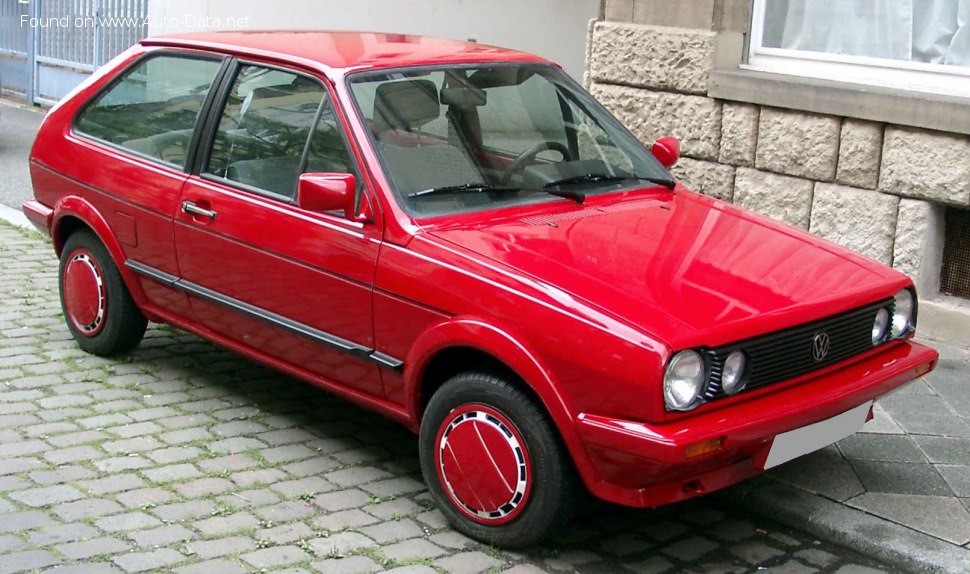
The Volkswagen Polo II Coupe (86C), specifically the 1.0-liter (40 Hp) engine variant, is a notable example of the European supermini that gained prominence in the 1980s. Introduced in 1981, the second-generation Polo continued the success of the original, offering a practical and reliable vehicle for a broad European audience. The “Coupe” designation, in the context of 1980s European small cars, signified a three-door hatchback with a more streamlined roofline than the standard model, aiming for a sportier aesthetic. Produced from 1982 to 1986, this version prioritized affordability and fuel efficiency, becoming a common sight on European roads.
Volkswagen Polo II Coupe (86C): A European Icon
The Polo II represented Volkswagen’s continued commitment to building quality, compact cars. While not widely sold in the United States, the Polo held a significant position in the European automotive market, competing with models like the Ford Fiesta and Peugeot 205. It was designed to provide accessible transportation, focusing on practicality and dependability rather than outright performance. The 86C generation, in particular, offered a cost-effective entry point into Volkswagen ownership, appealing to first-time buyers and those seeking an economical daily driver.
Engine & Performance
The Volkswagen Polo II Coupe (86C) 1.0-liter model was powered by a 999cc inline-four cylinder gasoline engine, internally designated as the GL engine code. This naturally aspirated engine produced a modest 40 horsepower. In an era where fuel economy and reliability were paramount, the engine was engineered for efficiency and durability. Power delivery was linear and predictable, making it well-suited for urban driving and shorter trips. The lightweight chassis of the Polo II allowed it to make the most of its limited power output. The engine’s simplicity, with its naturally aspirated design, contributed to its reputation for straightforward maintenance and long-term reliability. Essential fluid capacities included 3.5 liters (3.7 US quarts) for engine oil and 6.5 liters (6.87 US quarts) for coolant, typical for vehicles in its class.
Design & Features
The design of the Polo II Coupe reflected the prevailing aesthetic of 1980s European automotive design – clean, functional, and understated. The “Coupe” body style featured a more sloping rear roofline compared to the standard hatchback, enhancing its sporty appearance and marginally improving aerodynamics. The exterior lines were crisp and angular, characteristic of the era. The interior prioritized practicality, offering comfortable seating for four passengers on shorter journeys and a reasonable amount of cargo space when the rear seats were folded. Features were basic by modern standards, including manual windows, simple heating and ventilation, and an optional radio. Safety features were limited to basic seatbelts and a robust body structure for its size. The Polo II’s compact dimensions made it ideal for navigating narrow city streets and parking in congested urban environments.
Technical Specifications
| Brand | Volkswagen |
| Model | Polo |
| Generation | Polo II Coupe (86C) |
| Type (Engine) | 1.0 (40 Hp) |
| Start of Production | 1982 |
| End of Production | 1986 |
| Powertrain Architecture | Internal Combustion engine |
| Body Type | Coupe (3-door hatchback) |
| Fuel Type | Petrol (Gasoline) |
| Power | 40 Hp |
| Engine Model/Code | GL |
| Engine Aspiration | Naturally aspirated engine |
| Engine Oil Capacity | 3.5 l (3.7 US qt | 3.08 UK qt) |
| Coolant Capacity | 6.5 l (6.87 US qt | 5.72 UK qt) |
The Volkswagen Polo II Coupe (86C) 1.0 (40 Hp) successfully established itself within the competitive European supermini market of the 1980s. Its main rivals included the Ford Fiesta, Opel Corsa (Vauxhall Nova in the UK), Fiat Uno, and Peugeot 205. While lacking the performance of sportier models like the Peugeot 205 GTI, the Polo appealed to buyers prioritizing dependability, economy, and ease of use. Its solid build quality, a hallmark of Volkswagen engineering, distinguished it from some competitors. Owners frequently praised its robust mechanicals and low running costs, making it a popular choice for first-time car owners, small families, and city commuters throughout Germany, France, Italy, and the United Kingdom.
The Polo II generation, including the Coupe variant, played a crucial role in solidifying the Polo’s position as a core model in Volkswagen’s lineup, positioned below the larger Golf. It demonstrated Volkswagen’s ability to produce competent and desirable small cars that combined German engineering principles with everyday practicality. The 1.0-liter (40 Hp) variant, in particular, underscored the brand’s commitment to providing accessible motoring solutions without compromising on fundamental quality. Today, the Polo II Coupe is remembered as a charming and historically significant example of a classic European supermini, representing an era where simplicity, functionality, and reliability were highly valued. Its enduring legacy lies in its contribution to affordable and dependable car ownership for millions of Europeans.