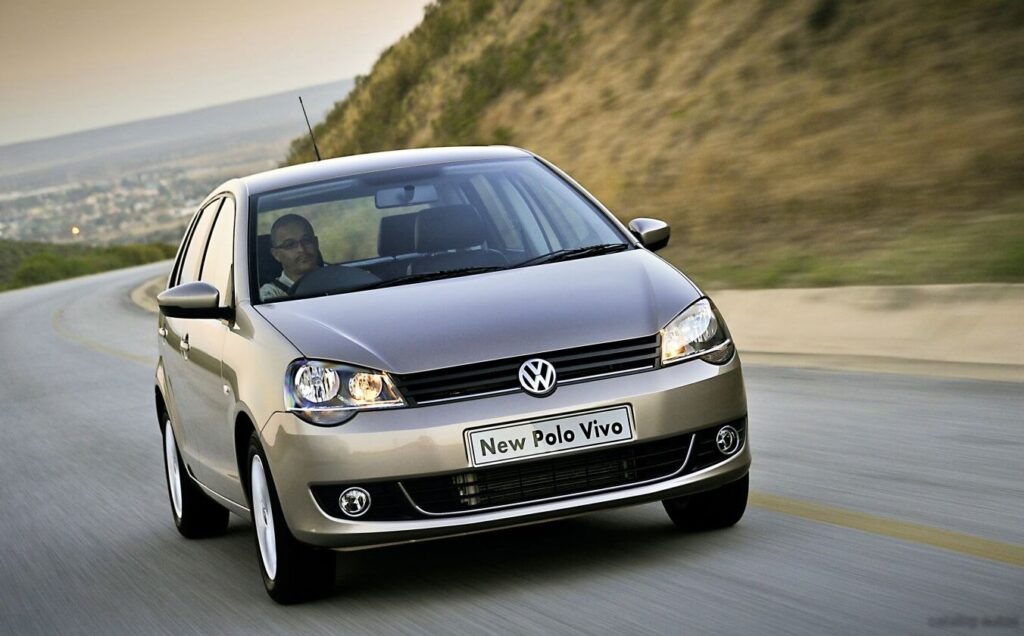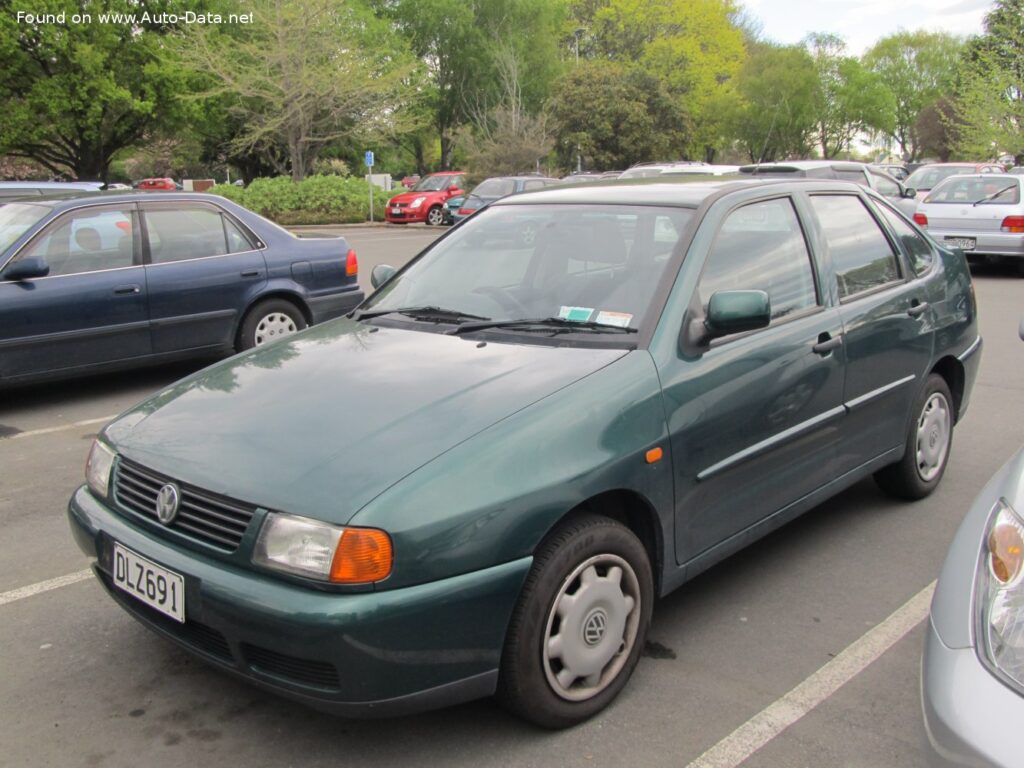
The Volkswagen Polo III Classic 1.4 16V (75 horsepower) represents a notable iteration within the third generation of Volkswagen’s globally recognized subcompact car, the Polo. Manufactured between 1999 and 2000, this particular model, distinguished by its sedan body style, targeted a specific market niche, especially in regions where four-door sedans were favored over the prevalent hatchback design. While the standard Polo hatchback enjoyed widespread popularity throughout Europe and other areas, the “Classic” sedan variant (internal code Typ 6KV) was frequently directed towards markets in Eastern Europe, parts of Asia, and Latin America, providing a more conventional family car profile with a larger, separate trunk. The third-generation Polo, internally designated Typ 6KV, built upon the success of its predecessors, offering improved refinement, safety, and a more modern driving experience compared to the Polo II.
Volkswagen Polo III Classic: A Market-Specific Sedan
The Polo III Classic occupied a unique position within Volkswagen’s lineup. While the hatchback version competed directly with rivals like the Ford Fiesta, Opel/Vauxhall Corsa, and Peugeot 206, the Classic sedan aimed to appeal to buyers seeking a more traditional saloon car. This strategy was particularly effective in emerging markets where the perception of a sedan as a more prestigious and practical family vehicle remained strong. The Classic wasn’t simply a hatchback with a bolted-on trunk; it featured a lengthened chassis and a redesigned rear end to create a cohesive and aesthetically pleasing sedan profile. This differentiation allowed Volkswagen to capture a broader customer base and increase its market share in key regions.
Origins and Market Positioning
The decision to produce the Polo III Classic stemmed from Volkswagen’s understanding of diverse consumer preferences. In many parts of the world, the hatchback body style was not as widely accepted as the traditional sedan. Volkswagen recognized this and responded by developing the Classic, offering a vehicle that catered specifically to these markets. The Classic was often positioned as a more affordable and accessible alternative to larger, more expensive sedans, making it an attractive option for first-time car buyers and families on a budget. Production was largely concentrated in Volkswagen’s facilities in Navarra, Spain, and Novo Mesto, Slovenia, with a focus on export to target markets.
Engine & Performance
The Polo III Classic 1.4 16V was powered by a 1.4-liter, inline-four cylinder engine. This engine, a member of Volkswagen’s EA827 family, was known for its reliability and relatively fuel-efficient operation. The 16-valve cylinder head configuration contributed to improved breathing and a slightly higher power output compared to earlier 8-valve versions. Producing 75 horsepower (55 kW) and approximately 88 lb-ft (120 Nm) of torque, the engine provided adequate performance for everyday driving conditions. While not a performance-oriented vehicle, the Polo III Classic offered sufficient power for comfortable cruising and overtaking maneuvers.
The engine was typically paired with a five-speed manual transmission, although a four-speed automatic transmission was also available as an option. The front-wheel-drive layout ensured predictable handling and reasonable fuel economy. Acceleration from 0 to 60 mph (0 to 97 km/h) was estimated to be around 12-13 seconds, with a top speed of approximately 109 mph (175 km/h). The Polo III Classic prioritized fuel efficiency over outright speed, achieving combined fuel consumption figures in the range of 35-40 mpg (6.7-7.1 liters per 100km), depending on driving conditions and transmission choice. The engine’s relatively simple design and robust construction contributed to its longevity and low maintenance costs.
Design & Features
The Polo III Classic’s design was a blend of practicality and understated elegance. The sedan body style offered a more formal appearance compared to the hatchback, with a clearly defined trunk providing ample luggage space. The front end featured Volkswagen’s familiar corporate grille and headlight design, while the rear end was characterized by clean lines and a conventional trunk lid. The interior was functional and well-built, with a focus on ergonomics and durability.
Standard features typically included power steering, central locking, and front electric windows. Higher trim levels offered options such as air conditioning, alloy wheels, and a radio/cassette player. Safety features, while not as comprehensive as those found in modern vehicles, included a driver’s airbag and seatbelts. The Polo III Classic’s interior space was adequate for a subcompact sedan, providing comfortable seating for four adults. The trunk offered a generous amount of cargo capacity, making it suitable for family use. The car’s relatively compact dimensions made it easy to maneuver in urban environments, while its robust construction ensured a comfortable and safe driving experience. The Classic’s design, while not groundbreaking, was well-proportioned and appealing to buyers seeking a practical and reliable family car.
Technical Specifications
| Engine Type | Inline-4, 16-Valve |
| Displacement | 1.4 Liters (1390 cc) |
| Horsepower | 75 hp (55 kW) @ 5000 rpm |
| Torque | 88 lb-ft (120 Nm) @ 3600 rpm |
| Fuel System | Multi-Point Fuel Injection |
| Transmission | 5-Speed Manual (available with 4-Speed Automatic) |
| Drivetrain | Front-Wheel Drive |
| Brakes (Front/Rear) | Ventilated Discs / Drums |
| Suspension (Front/Rear) | MacPherson Strut / Torsion Beam |
| Curb Weight | Approximately 2300 lbs (1043 kg) |
| Fuel Consumption (Combined) | 35-40 mpg (6.7-7.1 L/100km) |
| Top Speed | Approximately 109 mph (175 km/h) |
| 0-60 mph (0-97 km/h) | 12-13 seconds (estimated) |
| Body Style | 4-Door Sedan |
| Production Years | 1999-2000 |