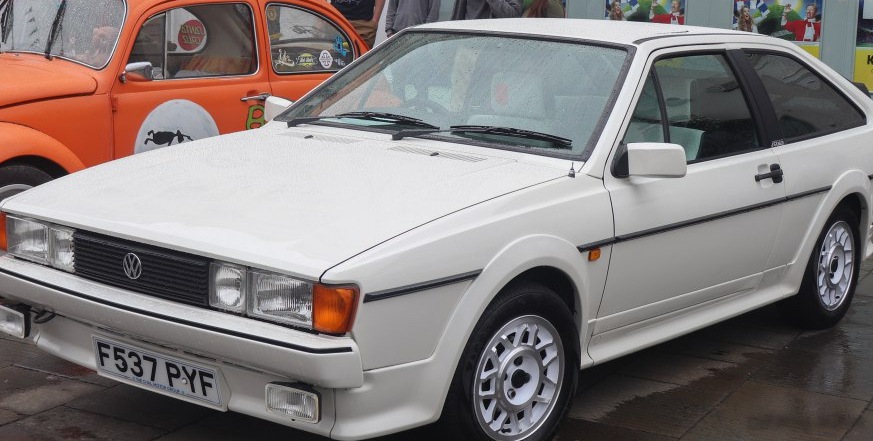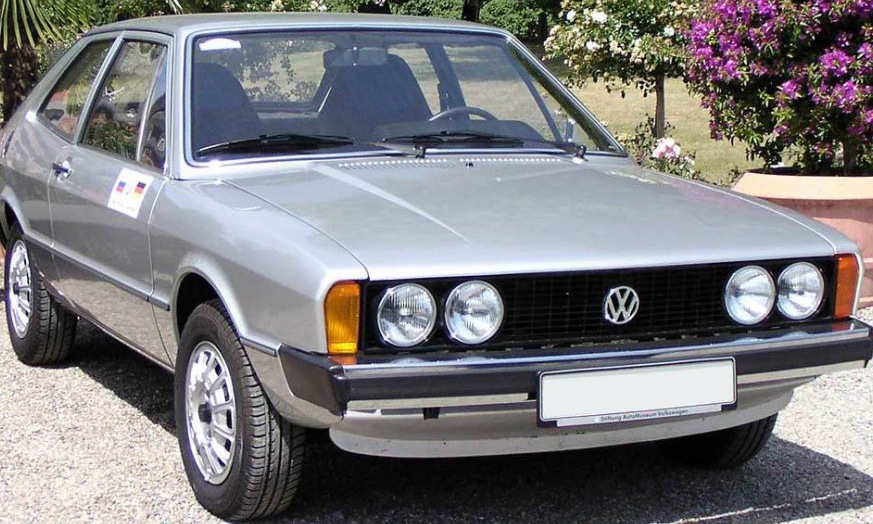
The Volkswagen Scirocco I, produced between 1974 and 1977, represented a significant departure for Volkswagen, moving away from the traditional rear-engine, air-cooled designs of the Beetle and towards a more modern, front-engine, water-cooled configuration. The 1.5-liter (85 hp) variant, designated internally as the Type 53, occupied an important position in the early Scirocco lineup, offering a balance between affordability and performance. It was built on the Volkswagen Golf Mk1 platform (internally known as the A1), sharing many components but presenting a more sporting, coupe-focused aesthetic. This model aimed to attract buyers seeking a stylish and relatively economical sports coupe.
Technical Specifications
| Brand | Volkswagen |
| Model | Scirocco |
| Generation | Scirocco I (53) |
| Type (Engine) | 1.5 (85 Hp) |
| Start of production | 1974 |
| End of production | 1977 |
| Powertrain Architecture | Internal Combustion engine |
| Body type | Coupe |
| Seats | 4 |
| Doors | 3 |
| Fuel consumption (combined) | 8.5 l/100 km |
| Fuel consumption (US mpg) | 27.7 US mpg |
| Fuel consumption (UK mpg) | 33.2 UK mpg |
| Fuel consumption (km/l) | 11.8 km/l |
| Fuel Type | Petrol (Gasoline) |
| Acceleration 0 – 100 km/h | 11 sec |
| Acceleration 0 – 62 mph | 11 sec |
| Acceleration 0 – 60 mph | 10.5 sec |
| Maximum speed | 175 km/h (108.74 mph) |
| Weight-to-power ratio | 9.1 kg/Hp |
| Weight-to-torque ratio | 6.3 kg/Nm |
| Power | 85 Hp @ 5800 rpm |
| Power per litre | 57.8 Hp/l |
| Torque | 123 Nm @ 3200 rpm (90.72 lb.-ft. @ 3200 rpm) |
| Engine layout | Front, Transverse |
| Engine Model/Code | FD |
| Engine displacement | 1471 cm3 (89.77 cu. in.) |
| Number of cylinders | 4 |
| Engine configuration | Inline |
| Cylinder Bore | 76.5 mm (3.01 in.) |
| Piston Stroke | 80 mm (3.15 in.) |
| Compression ratio | 9.7:1 |
| Number of valves per cylinder | 2 |
| Fuel injection system | Carburettor |
| Engine aspiration | Naturally aspirated engine |
| Valvetrain | SOHC |
| Kerb Weight | 775 kg (1708.58 lbs.) |
| Max. weight | 1150 kg (2535.32 lbs.) |
| Max load | 375 kg (826.73 lbs.) |
| Trunk (boot) space – minimum | 280 l (9.89 cu. ft.) |
| Trunk (boot) space – maximum | 820 l (28.96 cu. ft.) |
| Fuel tank capacity | 55 l (14.53 US gal | 12.1 UK gal) |
| Max. roof load | 50 kg (110.23 lbs.) |
| Permitted trailer load with brakes (12%) | 800 kg (1763.7 lbs.) |
| Permitted trailer load without brakes | 400 kg (881.85 lbs.) |
| Length | 3874 mm (152.52 in.) |
| Width | 1624 mm (63.94 in.) |
| Height | 1309 mm (51.54 in.) |
| Wheelbase | 2400 mm (94.49 in.) |
| Front track | 1390 mm (54.72 in.) |
| Rear (Back) track | 1350 mm (53.15 in.) |
| Ride height (ground clearance) | 125 mm (4.92 in.) |
| Minimum turning circle (turning diameter) | 9.8 m (32.15 ft.) |
| Drivetrain Architecture | The Internal combustion engine (ICE) drives the front wheels of the vehicle. |
| Drive wheel | Front wheel drive |
| Number of gears and type of gearbox | 4 gears, manual transmission |
| Front suspension | Independent, type McPherson with coil spring and anti-roll bar |
| Rear suspension | Spring Strut, Transverse stabilizer, Trailing arm |
| Front brakes | Disc |
| Rear brakes | Drum |
| Steering type | Steering rack and pinion |
| Tires size | Front wheel tires: 175/70 R13Rear wheel tires: 175/70 R13 |
| Wheel rims size | Front wheel rims: 5J x 13Rear wheel rims: 5J x 13 |
Powertrain & Engine Architecture
The heart of the Scirocco I 1.5 was the FD engine, a 1471cc inline four-cylinder unit. This engine utilized a single overhead camshaft (SOHC) valvetrain and was fed by a Solex carburetor. While relatively simple by modern standards, the FD engine was known for its durability and ease of maintenance. The engine produced 85 horsepower at 5800 rpm and 123 Nm (90.72 lb-ft) of torque at 3200 rpm. The engine’s transverse mounting and front-wheel drive configuration were relatively new for Volkswagen at the time, contributing to the Scirocco’s improved handling characteristics. The four-speed manual transmission was the standard offering, providing direct control over the engine’s power.
Driving Characteristics
The 1.5-liter Scirocco offered a reasonably engaging driving experience, though it wasn’t a high-performance machine. Acceleration from 0 to 60 mph took around 10.5 seconds, and the top speed was approximately 108.74 mph. The four-speed manual transmission provided adequate gear spacing for everyday driving, but the engine felt somewhat strained at higher speeds. Compared to the later, more powerful Scirocco variants (like those equipped with the 1.6-liter engine or the GTI’s 1.6-liter fuel-injected engine), the 1.5 felt noticeably less responsive. However, its lighter weight and nimble handling made it a fun and approachable car to drive on winding roads. The gear ratios were optimized for fuel economy and everyday usability rather than outright performance.
Equipment & Trim Levels
The base 1.5-liter Scirocco was positioned as the entry-level model. Standard equipment included cloth upholstery, basic instrumentation, and steel wheels. Optional extras included upgraded interior trim, a sunroof, and a more sophisticated radio. The interior was functional and relatively spartan, reflecting the car’s affordable price point. The dashboard layout was simple and driver-focused, with clearly marked gauges and controls. While not luxurious, the interior offered a comfortable and practical environment for both driver and passengers.
Chassis & Braking
The Scirocco I utilized a McPherson strut front suspension and a trailing arm rear suspension. This setup provided a good balance between ride comfort and handling. The front suspension incorporated an anti-roll bar to reduce body roll during cornering. Braking duties were handled by disc brakes at the front and drum brakes at the rear. While adequate for the car’s weight and performance, the drum brakes on the rear wheels were a point of criticism compared to the all-disc setups found on higher-spec models. The steering was a rack-and-pinion system, providing precise and responsive steering feel.
Market Reception & Comparison
The Scirocco I 1.5 was generally well-received by automotive critics, who praised its stylish design and engaging handling. However, some reviewers noted that the 1.5-liter engine lacked the power to fully exploit the car’s chassis potential. Compared to the more expensive and powerful Scirocco variants, the 1.5 offered a more affordable entry point into the sports coupe market. Fuel economy was reasonable for the time, averaging around 27.7 US mpg. Reliability was generally good, although the carburetor required periodic adjustment and maintenance.
Legacy
The Volkswagen Scirocco I 1.5 holds a significant place in automotive history as a pioneering example of a front-engine, water-cooled Volkswagen. While the engine itself isn’t particularly sought after by enthusiasts today, the Scirocco I as a whole has become a popular classic car. The 1.5-liter variant remains a relatively affordable way to experience the charm and character of the original Scirocco. The FD engine, while simple, proved to be durable and reliable, and many examples are still on the road today. The Scirocco I laid the foundation for future generations of Volkswagen coupes, establishing a legacy of sporty and stylish vehicles.