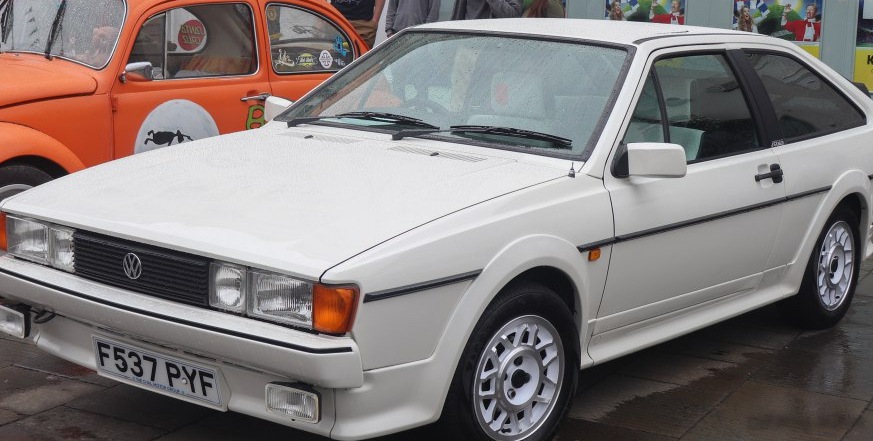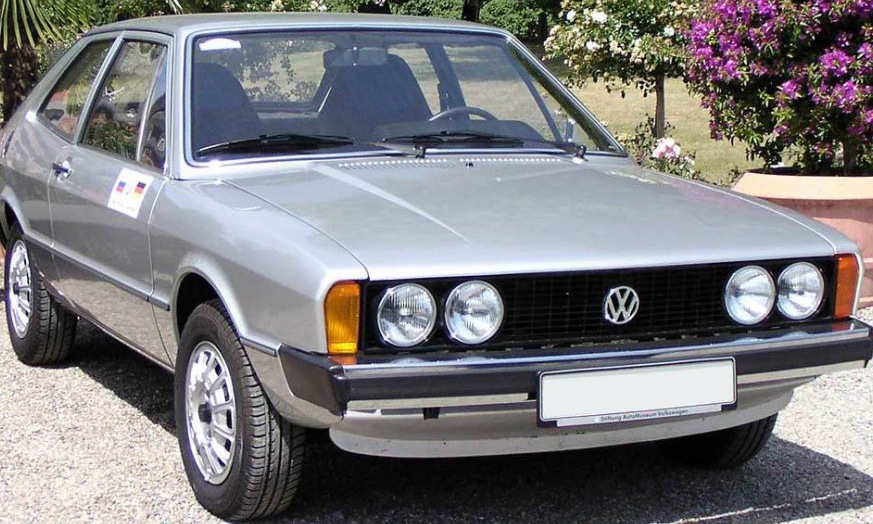
The Volkswagen Scirocco I, produced between 1974 and 1981, represented Volkswagen’s foray into the sporty coupe market. The 1.6-liter (110 hp) variant, specifically those manufactured between 1976 and 1980, occupied a significant middle ground within the Scirocco I lineup. Positioned above the base 1.1 and 1.5-liter models, it offered a noticeable performance upgrade without reaching the price point of the fuel-injected 1.6 or the more powerful GTI. This version, often identified by its engine code EG, aimed to appeal to buyers seeking a stylish and reasonably quick coupe for everyday use. It was a key component of the first-generation Scirocco’s success, contributing to its popularity in Europe and, to a lesser extent, in North America.
Technical Specifications
| Brand | Volkswagen |
| Model | Scirocco |
| Generation | Scirocco I (53) |
| Type (Engine) | 1.6 (110 Hp) |
| Start of production | 1976 |
| End of production | 1980 |
| Powertrain Architecture | Internal Combustion engine |
| Body type | Coupe |
| Fuel Type | Petrol (Gasoline) |
| Power | 110 Hp |
| Engine Model/Code | EG |
| Engine aspiration | Naturally aspirated engine |
Powertrain & Engine Architecture
The 1.6-liter engine, designated EG, was a naturally aspirated, inline-four cylinder unit. It featured a single overhead camshaft (SOHC) operating two valves per cylinder. Unlike the later fuel-injected versions, the 1976-1980 1.6-liter Scirocco relied on a single, two-barrel Solex carburetor for fuel delivery. This carburetor system, while simpler and less expensive than fuel injection, offered adequate performance for the intended market segment. The engine displaced 1584cc, achieving its peak power output of 110 horsepower at 6000 rpm. Torque figures were around 109 lb-ft at 3800 rpm. The engine block was constructed from cast iron, while the cylinder head was made of aluminum alloy.
The 1.6-liter engine was typically paired with a four-speed manual transmission, but a three-speed automatic transmission was also available, though less common. The automatic transmission, while offering convenience, noticeably impacted acceleration and fuel economy. The transmission was a conventional torque converter type, and its gear ratios were optimized for comfortable cruising rather than sporty performance. The rear axle was a solid unit, contributing to the Scirocco’s relatively simple and robust mechanical design.
Driving Characteristics
The 1.6-liter Scirocco offered a balanced driving experience. With 110 hp, it wasn’t a particularly fast car by modern standards, but it provided sufficient power for enjoyable everyday driving. Acceleration from 0 to 60 mph took approximately 10-11 seconds, depending on the transmission. The manual transmission version felt more responsive and engaging, allowing the driver to make the most of the engine’s power band. The automatic transmission, while smooth, resulted in slower acceleration and a less connected feel.
Handling was generally considered good for its time, thanks to the Scirocco’s relatively lightweight construction and well-tuned suspension. The steering was precise, and the car felt stable and predictable in corners. However, the solid rear axle could exhibit some bump steer on uneven surfaces. Compared to the later GTI models, the 1.6-liter Scirocco lacked the GTI’s sharp handling and exhilarating acceleration. It also felt less refined than the fuel-injected 1.6-liter variants, which offered smoother power delivery and improved throttle response.
Equipment & Trim Levels
The 1.6-liter Scirocco typically came with a fairly basic level of equipment. Standard features included cloth upholstery, vinyl floor covering, and a basic instrument cluster. The dashboard layout was functional and straightforward, with clearly marked gauges for speed, fuel level, coolant temperature, and battery voltage. Optional extras included a sunroof, upgraded stereo system, and more comfortable seats. Interior color schemes were relatively limited, typically featuring shades of brown, beige, or blue.
The exterior trim was also fairly simple, with chrome bumpers and relatively understated styling. Wheel options included steel wheels with hubcaps or optional alloy wheels. The 1.6-liter Scirocco didn’t offer the same level of luxury or sophistication as some of its competitors, but it provided a comfortable and practical interior for its price point.
Chassis & Braking
The Scirocco I utilized a MacPherson strut front suspension and a torsion beam rear suspension. This setup provided a good balance of ride comfort and handling. The front suspension featured coil springs and telescopic shock absorbers, while the rear suspension relied on leaf springs and shock absorbers. The steering was a rack-and-pinion system, providing precise and responsive steering feel.
Braking systems varied slightly depending on the year and market. Early models typically featured drum brakes on all four wheels, while later models often received front disc brakes and rear drum brakes. The braking performance was adequate for everyday driving, but it wasn’t particularly powerful. Stabilizer bars were fitted to both the front and rear axles, helping to reduce body roll during cornering.
Market Reception & Comparison
The 1.6-liter Scirocco was generally well-received by automotive critics. It was praised for its stylish design, comfortable interior, and reasonable performance. However, some critics noted that the engine lacked the refinement and power of its fuel-injected counterparts. Compared to the 1.1 and 1.5-liter models, the 1.6-liter Scirocco offered a significant performance upgrade, making it a more appealing option for drivers who wanted a bit more excitement.
Fuel economy was reasonable for the time, averaging around 28-32 mpg depending on driving conditions and transmission type. Reliability was generally good, although the carburetor system could require occasional maintenance. Compared to the GTI, the 1.6-liter Scirocco was significantly less expensive, making it a more accessible option for a wider range of buyers. However, it lacked the GTI’s performance and sporty character.
Legacy
The 1.6-liter Scirocco I, particularly the EG-coded engine, has proven to be a relatively durable and reliable powertrain. While finding well-maintained examples today can be challenging, these cars remain popular among classic Volkswagen enthusiasts. The engine is known for its simplicity and ease of maintenance, making it a relatively straightforward unit to repair and rebuild. Parts availability is generally good, although some specific components may be difficult to find.
In the used car market, the 1.6-liter Scirocco I typically commands lower prices than the GTI or fuel-injected models. However, well-preserved examples are becoming increasingly collectible. The car’s enduring appeal lies in its classic styling, enjoyable driving experience, and relatively affordable price point. It represents a significant chapter in Volkswagen’s history, and it continues to be appreciated by enthusiasts around the world.