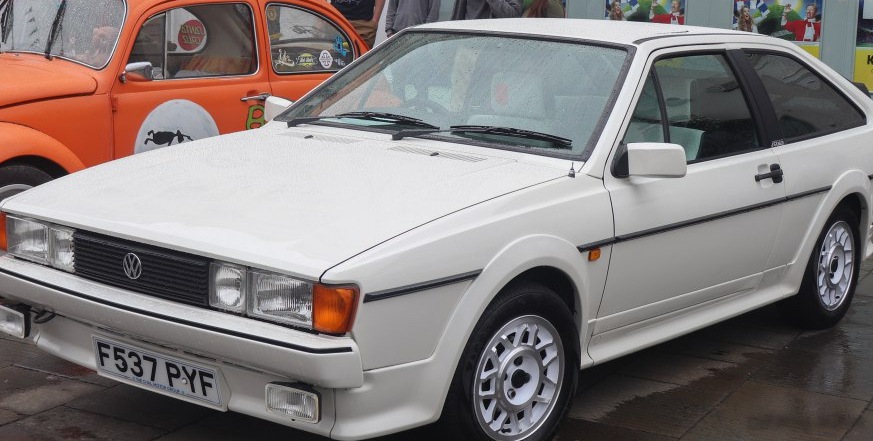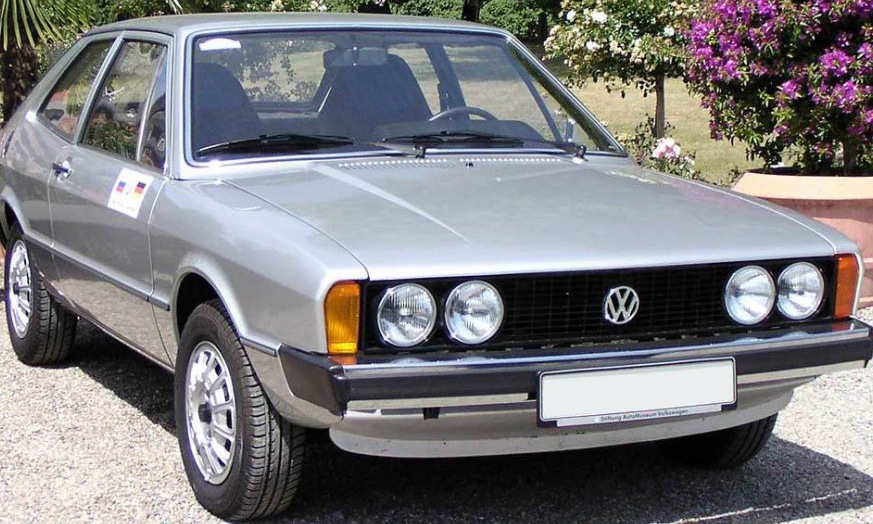
The Volkswagen Scirocco I, produced between 1974 and 1977, represented a significant departure for Volkswagen, moving away from the traditional rear-engine, air-cooled designs of the Beetle and embracing a front-engine, water-cooled, front-wheel-drive configuration. The 1.6-liter (75 hp) variant, designated internally as models EM, FN, and FP, occupied the entry-level position within the Scirocco I range. It was designed to offer a more affordable and fuel-efficient option compared to the higher-spec 1.6 TS and later 1.5 and 1.6 GL models. This model was primarily aimed at the European market, where compact, sporty coupes were gaining popularity, and offered a stylish alternative to rivals like the Ford Capri and Opel Manta.
Technical Specifications
| Brand | Volkswagen |
| Model | Scirocco |
| Generation | Scirocco I (53) |
| Type (Engine) | 1.6 (75 Hp) |
| Start of production | March, 1974 |
| End of production | August, 1977 |
| Powertrain Architecture | Internal Combustion engine |
| Body type | Coupe |
| Seats | 4 |
| Doors | 2 |
| Fuel consumption (extra urban) | 5.8 l/100 km (40.6 US mpg, 48.7 UK mpg, 17.2 km/l) |
| Fuel consumption (combined) | 8 l/100 km (29.4 US mpg, 35.3 UK mpg, 12.5 km/l) |
| Fuel Type | Petrol (Gasoline) |
| Acceleration 0 – 100 km/h | 11.3 sec |
| Acceleration 0 – 62 mph | 11.3 sec |
| Acceleration 0 – 60 mph | 10.7 sec |
| Maximum speed | 165 km/h (102.53 mph) |
| Weight-to-power ratio | 10.7 kg/Hp, 93.8 Hp/tonne |
| Weight-to-torque ratio | 6.7 kg/Nm, 148.8 Nm/tonne |
| Power | 75 Hp @ 5600 rpm |
| Power per litre | 47.2 Hp/l |
| Torque | 119 Nm @ 3200 rpm (87.77 lb.-ft. @ 3200 rpm) |
| Engine layout | Front, Transverse |
| Engine Model/Code | EM, FN, FP |
| Engine displacement | 1588 cm3 (96.91 cu. in.) |
| Number of cylinders | 4 |
| Engine configuration | Inline |
| Cylinder Bore | 79.5 mm (3.13 in.) |
| Piston Stroke | 80 mm (3.15 in.) |
| Compression ratio | 8.2:1 |
| Number of valves per cylinder | 2 |
| Fuel injection system | Carburettor |
| Engine aspiration | Naturally aspirated engine |
| Valvetrain | SOHC |
| Kerb Weight | 800 kg (1763.7 lbs.) |
| Max. weight | 1170 kg (2579.41 lbs.) |
| Max load | 370 kg (815.71 lbs.) |
| Trunk (boot) space – minimum | 347 l (12.25 cu. ft.) |
| Trunk (boot) space – maximum | 533 l (18.82 cu. ft.) |
| Permitted trailer load with brakes (12%) | 800 kg (1763.7 lbs.) |
| Permitted trailer load without brakes | 400 kg (881.85 lbs.) |
| Length | 3885 mm (152.95 in.) |
| Width | 1624 mm (63.94 in.) |
| Height | 1309 mm (51.54 in.) |
| Wheelbase | 2400 mm (94.49 in.) |
| Front track | 1390 mm (54.72 in.) |
| Rear (Back) track | 1350 mm (53.15 in.) |
| Ride height (ground clearance) | 125 mm (4.92 in.) |
| Minimum turning circle (turning diameter) | 10.3 m (33.79 ft.) |
| Drivetrain Architecture | The Internal combustion engine (ICE) drives the front wheels of the vehicle. |
| Drive wheel | Front wheel drive |
| Number of gears and type of gearbox | 4 gears, manual transmission |
| Front suspension | Independent, type McPherson with coil spring and anti-roll bar |
| Rear suspension | Trailing arm |
| Front brakes | Disc |
| Rear brakes | Drum |
| Steering type | Steering rack and pinion |
| Wheel rims size | 5J x 13 |
Powertrain & Engine Architecture
The heart of the Scirocco I 1.6 was the Type EM, FN, or FP engine, a 1588cc inline four-cylinder unit. This engine utilized a single overhead camshaft (SOHC) valvetrain with two valves per cylinder. Fuel delivery was managed by a Solex C35 PHH carburetor, a common setup for European cars of the era. The engine produced 75 horsepower at 5600 rpm and 119 Nm (87.77 lb-ft) of torque at 3200 rpm. The engine was transversely mounted, a key element of the Scirocco’s front-wheel-drive layout. The four-speed manual transmission was the standard offering, providing relatively direct engagement and a straightforward driving experience. The engine’s design prioritized reliability and fuel efficiency over outright performance, making it a practical choice for everyday driving.
Driving Characteristics
The 1.6-liter Scirocco I with the four-speed manual transmission offered a modest but enjoyable driving experience. Acceleration to 60 mph took around 10.7 seconds, and the top speed was approximately 102.53 mph. While not particularly quick by modern standards, the Scirocco’s light weight (around 1763.7 lbs) and well-tuned suspension contributed to a nimble and engaging feel. The gear ratios were spaced to provide adequate acceleration in everyday driving situations, but the engine could feel strained at higher speeds or when carrying a full load. Compared to the more powerful 1.6 TS models, the 1.6 offered less exhilarating performance, but it also provided better fuel economy and lower running costs. The front-wheel-drive configuration provided good traction in most conditions, although torque steer could be noticeable under hard acceleration.
Equipment & Trim Levels
The base 1.6-liter Scirocco I was relatively sparsely equipped, reflecting its position as the entry-level model. Standard features typically included cloth upholstery, basic instrumentation (speedometer, fuel gauge, temperature gauge), and manually operated windows and door locks. The interior design was functional and straightforward, prioritizing practicality over luxury. Optional extras included a sunroof, upgraded stereo system, and more comfortable seats. The exterior trim was also relatively basic, with steel wheels and minimal chrome accents. The focus was on providing a stylish and affordable coupe for buyers who didn’t require all the bells and whistles.
Chassis & Braking
The Scirocco I featured an independent McPherson strut front suspension with coil springs and an anti-roll bar, providing a comfortable ride and good handling characteristics. The rear suspension utilized a trailing arm setup, which was simpler and more cost-effective but offered less sophisticated handling. The braking system consisted of disc brakes at the front and drum brakes at the rear. While adequate for the car’s performance, the drum brakes on the rear could lack the stopping power of disc brakes, especially under heavy braking. The steering was a rack-and-pinion system, providing precise and responsive steering feel.
Market Reception & Comparison
The Scirocco I 1.6 was generally well-received by automotive critics as an affordable and stylish coupe. It was praised for its handling, fuel efficiency, and attractive design. However, some critics noted that the 1.6-liter engine lacked the power to fully exploit the car’s chassis potential. Compared to the 1.6 TS model, the 1.6 offered significantly lower performance but also lower running costs and insurance premiums. Fuel economy was a strong point, averaging around 29.4 US mpg in combined driving. Reliability was generally good, although the carburetor required periodic adjustment and maintenance.
Legacy
The Volkswagen Scirocco I 1.6, while not the most powerful or technologically advanced version of the model, remains a popular classic car today. The engine is known for its durability and relative simplicity, making it relatively easy to maintain and repair. Parts availability is generally good, although some specific components may be difficult to find. The 1.6-liter engine’s reliability and affordability have contributed to its continued presence on the roads, and it remains a popular choice for enthusiasts looking for a classic Volkswagen coupe. The Scirocco I, in all its variants, laid the foundation for a successful line of sporty coupes that would continue for generations.