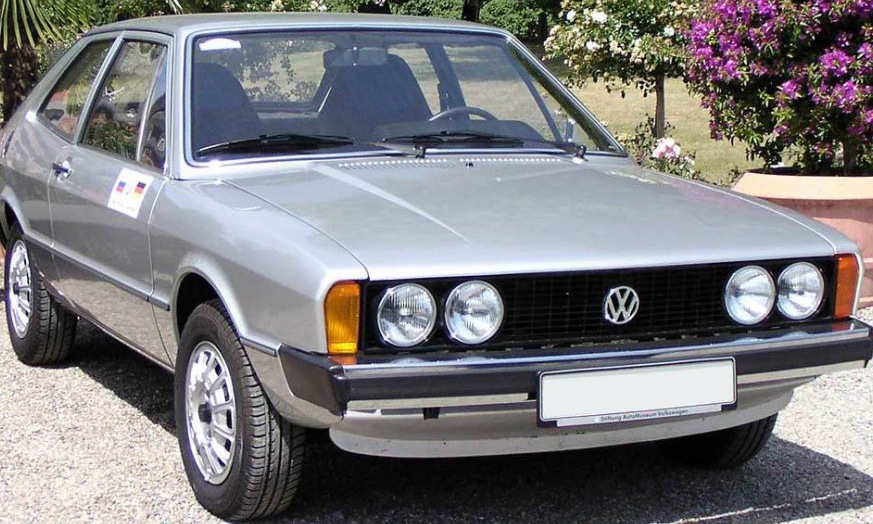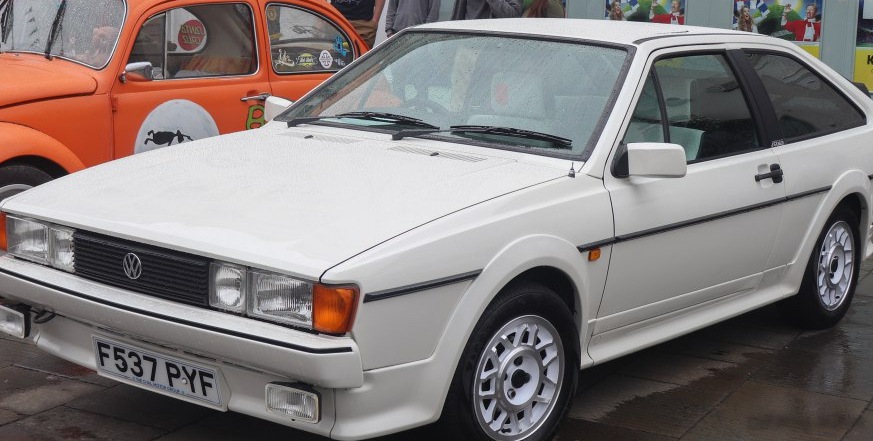
The Volkswagen Scirocco II, specifically the 1.6-liter (110 horsepower) variant produced between 1981 and 1982, represents a pivotal point in the evolution of Volkswagen’s sporty coupe. Falling within the 53B chassis code generation, this model aimed to balance performance and affordability within the Scirocco lineup. It served as a mid-range offering, positioned between the base 1.5-liter models and the more potent 1.6-liter GTI. The Scirocco II, launched in 1981, was a significant redesign of the original Scirocco, offering a more angular and modern aesthetic, and improved aerodynamics. This particular 1.6-liter engine, designated with the engine code EG, was a key component in broadening the Scirocco’s appeal to a wider customer base in Europe and other key markets.
Technical Specifications
| Brand | Volkswagen |
| Model | Scirocco |
| Generation | Scirocco II (53B) |
| Type (Engine) | 1.6 (110 Hp) |
| Start of production | 1981 |
| End of production | 1982 |
| Powertrain Architecture | Internal Combustion engine |
| Body type | Coupe |
| Fuel Type | Petrol (Gasoline) |
| Power | 110 Hp |
| Engine Model/Code | EG |
| Engine aspiration | Naturally aspirated engine |
| Engine oil capacity | 4 l / 4.23 US qt / 3.52 UK qt |
Powertrain & Engine Architecture
The heart of this Scirocco II variant is the Volkswagen EG engine, a 1.6-liter inline-four cylinder gasoline engine. This engine is a naturally aspirated unit, meaning it doesn’t employ forced induction like a turbocharger or supercharger. It features a single overhead camshaft (SOHC) valvetrain operating two valves per cylinder. Fuel delivery is managed by Bosch mechanical fuel injection, a system common for the era, providing a balance between efficiency and performance. The EG engine produces 110 horsepower at approximately 6,000 rpm and 109 lb-ft of torque at 3,800 rpm. While not as technologically advanced as the later multi-point fuel injection systems, the Bosch system offered improved fuel atomization compared to carburetors, contributing to cleaner emissions and better drivability. The engine’s block is constructed from cast iron, providing durability, while the cylinder head is made of aluminum alloy, helping to reduce weight. This engine was typically paired with a four-speed automatic transmission, although a five-speed manual transmission was also available as an option. The automatic transmission, while offering convenience, was geared more towards comfortable cruising than spirited driving.
Driving Characteristics
The 1.6-liter automatic Scirocco II delivers a driving experience focused on comfort and ease of use. Acceleration is adequate for everyday driving, with a 0-60 mph time estimated around 12-13 seconds. However, it’s noticeably slower than the manual transmission or GTI versions. The automatic transmission’s gear ratios are optimized for fuel economy and smooth shifts, rather than aggressive acceleration. The engine feels relatively responsive at lower and mid-range speeds, making it suitable for city driving and highway cruising. However, passing maneuvers require careful planning, as the engine can feel strained when pushed hard. Compared to the five-speed manual version, the automatic suffers from some power loss due to the torque converter. The manual transmission allows for better control and more efficient use of the engine’s power band. The handling is typical of front-wheel-drive cars of the era – predictable and safe, but not particularly sporty. The suspension is tuned for comfort, absorbing bumps and imperfections in the road reasonably well.
Equipment & Trim Levels
The 1.6-liter Scirocco II automatic typically came with a fairly standard equipment list for the early 1980s. Standard features included cloth upholstery, a basic AM/FM radio, and manual windows and door locks. The dashboard layout is functional and straightforward, with clearly marked gauges for speed, fuel level, coolant temperature, and battery voltage. Optional extras included a sunroof, upgraded stereo systems, and metallic paint finishes. Interior trim levels varied depending on the market, but generally featured durable materials designed to withstand everyday use. The seats offered reasonable comfort for both front and rear passengers, although rear legroom is limited due to the coupe body style. Higher trim levels might have included features like central locking and power windows, but these were not standard on the base 1.6-liter model.
Chassis & Braking
The Scirocco II utilizes a front-wheel-drive layout with an independent MacPherson strut suspension in the front and a semi-independent torsion beam suspension in the rear. This suspension setup provides a good balance between ride comfort and handling. The front suspension incorporates stabilizer bar to reduce body roll during cornering. Braking duties are handled by disc brakes in the front and drum brakes in the rear. The braking system is adequate for normal driving conditions, but lacks the stopping power of more modern systems. The steering is rack-and-pinion, providing precise and responsive steering feel. The chassis is relatively lightweight, contributing to the car’s nimble handling characteristics. The tires are typically 175/70 R14, providing a good compromise between grip and ride comfort.
Market Reception & Comparison
The 1.6-liter automatic Scirocco II received mixed reviews from automotive critics. While praised for its comfortable ride and fuel efficiency, it was often criticized for its lack of performance compared to the GTI and manual transmission models. Critics noted that the automatic transmission dulled the driving experience and reduced the car’s overall responsiveness. Fuel economy was a strong point, with the 1.6-liter engine achieving around 28-32 mpg in combined driving. Reliability was generally good, although the Bosch fuel injection system could require occasional maintenance. Compared to the GTI, the 1.6-liter model offered a more affordable entry point into the Scirocco range, but at the expense of performance and sporty styling. The 1.5-liter base model was even more affordable, but offered even less power. The 1.6-liter automatic appealed to buyers who prioritized comfort and convenience over outright performance.
Legacy
The Volkswagen Scirocco II 1.6-liter automatic, while not the most sought-after variant, holds a place in automotive history as a representative of the early 1980s coupe market. The EG engine proved to be relatively durable, and many examples are still on the road today. However, finding well-maintained examples can be challenging, as many have succumbed to rust or neglect. In the used car market, these Sciroccos are typically valued lower than the GTI models, but are gaining popularity among enthusiasts who appreciate their simplicity and affordability. The automatic transmission, while not ideal for performance driving, offers a comfortable and convenient driving experience. The Scirocco II, in all its variants, helped establish Volkswagen as a maker of sporty and stylish coupes, paving the way for future models like the Corrado and the modern Scirocco.