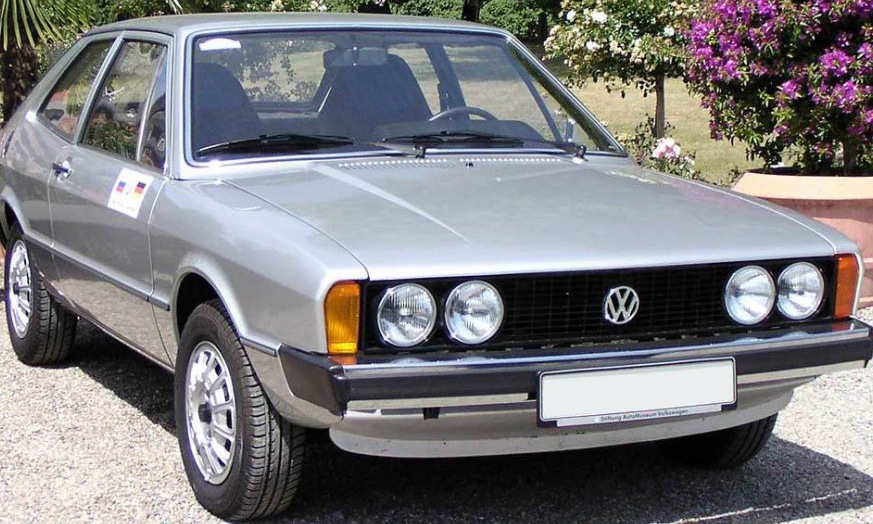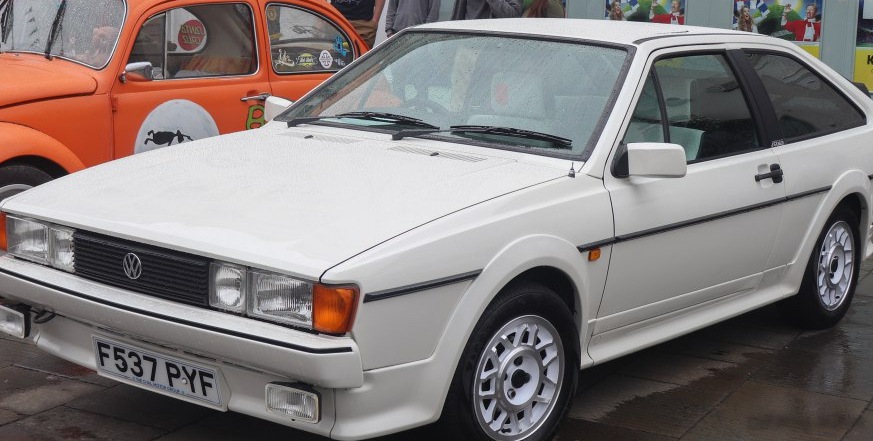
The Volkswagen Scirocco II 1.6, produced between 1986 and 1990, represents an entry-level offering within the second generation of Volkswagen’s iconic coupe. Falling within the 53B chassis code designation, this variant aimed to provide affordable and stylish transportation, capitalizing on the Scirocco’s sporty image while appealing to a broader customer base. Positioned below the more powerful 1.8 and 16-valve models, the 1.6 offered a balance of economy and usability, particularly in European markets where fuel costs were a significant consideration. It served as a stepping stone into the Scirocco range, attracting buyers who prioritized practicality and lower running costs over outright performance.
Technical Specifications
| Brand | Volkswagen |
| Model | Scirocco |
| Generation | Scirocco II (53B) |
| Type (Engine) | 1.6 (72 Hp) |
| Start of production | 1986 |
| End of production | 1990 |
| Powertrain Architecture | Internal Combustion engine |
| Body type | Coupe |
| Fuel Type | Petrol (Gasoline) |
| Power | 72 Hp |
| Engine Model/Code | RE |
| Engine aspiration | Naturally aspirated engine |
| Engine oil capacity | 3.5 l (3.7 US qt | 3.08 UK qt) |
| Coolant capacity | 4.5 l (4.76 US qt | 3.96 UK qt) |
Powertrain & Engine Architecture
The Scirocco II 1.6 utilized the Volkswagen RE engine code, a 1598cc inline four-cylinder engine. This engine was a relatively simple design, featuring a single overhead camshaft (SOHC) operating two valves per cylinder. Fuel delivery was managed by Bosch mechanical fuel injection – a system common for the era, offering a balance between cost and efficiency. The RE engine wasn’t known for its high-performance capabilities, but rather its robustness and reliability. It produced 72 horsepower at approximately 5,200 rpm and 109 lb-ft of torque at 3,200 rpm. The engine’s relatively low compression ratio (typically around 8.5:1) allowed it to run comfortably on lower octane fuel, further contributing to its affordability.
The 1.6L engine was typically paired with a three-speed automatic transmission, although a five-speed manual was also available. The automatic transmission, while providing ease of use, was not particularly sophisticated. It featured a torque converter and relatively widely spaced gear ratios, prioritizing fuel economy over spirited acceleration. The automatic transmission was a popular choice for buyers who preferred a more relaxed driving experience, particularly in urban environments.
Driving Characteristics
The driving experience in a Scirocco II 1.6 automatic was characterized by smooth, if unhurried, progress. Acceleration was adequate for everyday driving, but the car lacked the punch of the higher-powered variants. The three-speed automatic transmission meant that the engine often felt strained during overtaking maneuvers or when climbing hills. The gear ratios were optimized for fuel efficiency, resulting in a noticeable delay before downshifting. Zero to sixty mph times were typically in the 12-13 second range, making it considerably slower than the 1.8 or 16-valve models. However, the Scirocco’s relatively lightweight construction and well-tuned suspension provided decent handling, making it enjoyable to drive on winding roads, even if lacking outright speed. The steering was precise and offered good feedback, contributing to a confident feel behind the wheel.
Equipment & Trim Levels
The Scirocco II 1.6 typically came with a fairly basic level of equipment, reflecting its position as the entry-level model. Standard features generally included cloth upholstery, a basic stereo system, and manual windows and door locks. The dashboard layout was functional and straightforward, with clearly labeled controls. Optional extras included power windows, central locking, a sunroof, and upgraded stereo systems. Interior color schemes were typically conservative, with shades of grey and blue being common. The exterior trim was relatively understated, with black plastic bumpers and side moldings. Higher trim levels, often denoted by additional badging, might include alloy wheels and a more luxurious interior.
Chassis & Braking
The Scirocco II utilized a MacPherson strut front suspension and a torsion beam rear suspension. This setup provided a good balance between ride comfort and handling. The front suspension featured stabilizer bar, while the rear suspension did not. Braking on the 1.6 model typically consisted of disc brakes on the front wheels and drum brakes on the rear wheels. This configuration was common for cars in this price range during the 1980s. The braking system was adequate for normal driving conditions, but lacked the stopping power of the larger brakes found on the more powerful Scirocco variants. The steering was rack-and-pinion, providing precise and responsive handling.
Market Reception & Comparison
The Scirocco II 1.6 was generally well-received as an affordable and stylish coupe. Critics praised its handling and fuel economy, but noted its lack of outright performance. Compared to the 1.8 and 16-valve models, the 1.6 offered significantly less power and acceleration. However, it was also considerably cheaper to buy and run, making it an attractive option for budget-conscious buyers. The 1.8 model, with its increased power output, was a popular alternative for those seeking a more engaging driving experience. The 16-valve models, with their high-revving engines and sporty suspension, were aimed at enthusiasts. The 1.6L automatic was often seen as a sensible choice for daily commuting and long-distance cruising, prioritizing comfort and economy over performance.
Legacy
The Volkswagen Scirocco II 1.6, while not the most sought-after variant, has proven to be a relatively reliable and durable car. The RE engine is known for its robustness, and the simple mechanical design makes it relatively easy to maintain. Today, these cars are becoming increasingly collectible, particularly well-preserved examples. The 1.6 automatic is often considered a good entry point into Scirocco ownership, offering a classic 1980s coupe experience at a reasonable price. Parts availability is generally good, although some specific trim pieces may be difficult to find. The Scirocco II 1.6 remains a testament to Volkswagen’s commitment to building affordable, stylish, and well-engineered cars.