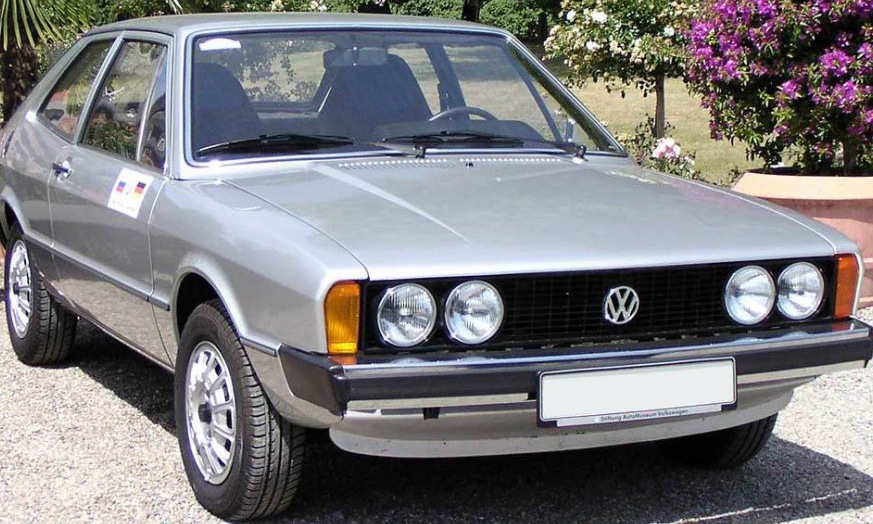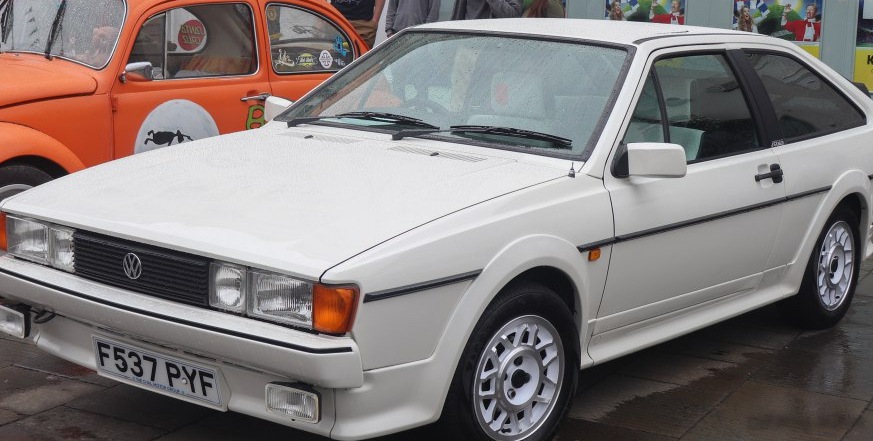
The Volkswagen Scirocco II, produced from 1981 to 1992 (with a minor facelift in 1988), represented a significant evolution of the original Scirocco. The 53B chassis code designates this second generation, which built upon the success of its predecessor by offering a more refined and sporty driving experience. Within the Scirocco II lineup, a variety of engine and trim options were available, catering to a broad spectrum of buyers. This article focuses specifically on the 1.8-liter, 112 horsepower variant, identified by engine codes DX, JJ, and KT, and its role within the broader Scirocco II range. This engine, often paired with an automatic transmission, represented a mid-range offering, balancing affordability with acceptable performance for the era.
Technical Specifications
| Brand | Volkswagen |
| Model | Scirocco |
| Generation | Scirocco II (53B) |
| Type (Engine) | 1.8 (112 Hp) |
| Start of Production | 1983 |
| End of Production | 1992 |
| Powertrain Architecture | Internal Combustion Engine |
| Body Type | Coupe |
| Fuel Type | Petrol (Gasoline) |
| Power | 112 Hp |
| Engine Model/Code | DX, JJ, KT |
| Engine Aspiration | Naturally Aspirated |
| Engine Oil Capacity | 4 l (4.23 US qt | 3.52 UK qt) |
Introduction
The Scirocco II, launched in 1981, was a direct successor to the original Scirocco, aiming to maintain the sporty coupe image while offering improved comfort and practicality. Built on the Volkswagen A2 platform (also known as the B2 platform), it shared components with the Golf Mk2 and Jetta Mk2. The 1.8-liter, 112 hp variant was a mainstay of the Scirocco II range throughout much of its production run. It was positioned as a step up from the base 1.6-liter models, offering more power and a slightly more premium feel, but remained below the more potent GTI and 16-valve versions in terms of performance and price. This configuration was particularly popular in European markets, where fuel economy and affordability were key considerations for many buyers.
Powertrain & Engine Architecture
The 1.8-liter engine, designated with codes DX, JJ, and KT depending on the year and specific market, is a naturally aspirated, inline-four cylinder engine. It features a single overhead camshaft (SOHC) valvetrain operating two valves per cylinder. Fuel delivery is managed by Bosch mechanical fuel injection – a system common for the time, offering a balance between cost and efficiency. The DX code generally represents earlier versions, while JJ and KT signify later iterations with minor refinements. The engine’s bore and stroke are 82.8 mm x 86.4 mm, resulting in a displacement of 1781 cc. The 112 horsepower output is achieved at 6000 rpm, with peak torque of 109 lb-ft (148 Nm) arriving at 4200 rpm.
The automatic transmission typically paired with this engine is a four-speed unit. While not known for its sporty responsiveness, it provided smooth and convenient shifting, appealing to drivers prioritizing ease of use over outright performance. The transmission’s gear ratios were geared towards fuel efficiency and comfortable cruising, rather than aggressive acceleration. Manual transmission options were also available, significantly altering the driving experience and performance characteristics.
Driving Characteristics
The Scirocco II 1.8 automatic offered a comfortable and predictable driving experience. Acceleration was adequate for everyday driving, with a 0-60 mph time estimated around 11-12 seconds. However, it noticeably lagged behind the more powerful GTI and 16-valve models. The automatic transmission, while smooth, did detract from the overall sense of sportiness. Upshifts were relatively slow, and downshifts often required deliberate throttle input. Compared to the five-speed manual version, the automatic suffered from a less engaging driving feel and slightly reduced fuel economy. The engine itself was relatively quiet and refined for its time, providing sufficient power for highway cruising and city driving. The car’s handling was generally good, thanks to its relatively lightweight construction and well-tuned suspension, but it lacked the sharp responsiveness of the GTI models.
Equipment & Trim Levels
The 1.8-liter Scirocco II typically came with a reasonable level of standard equipment. Base models featured cloth upholstery, a basic stereo system, and manual windows and locks. Higher trim levels, often denoted by additional badging, offered upgrades such as power windows, central locking, upgraded stereo systems, and alloy wheels. Optional extras included a sunroof, air conditioning, and upgraded interior trim. Interior dashboards were typically constructed from durable plastics, with a functional and straightforward layout. The instrument cluster featured a speedometer, tachometer, fuel gauge, and temperature gauge. The seats provided adequate support for both driver and passengers, although they lacked the bolstering found in the sportier GTI models.
Chassis & Braking
The Scirocco II utilized a MacPherson strut front suspension and a semi-independent torsion beam rear suspension. This setup provided a good balance between ride comfort and handling. The 1.8-liter models typically featured smaller diameter wheels and tires compared to the GTI versions, contributing to a slightly softer ride. Braking systems varied depending on the year and market. Earlier models often featured drum brakes on the rear wheels, while later models and higher trim levels were equipped with disc brakes all around. Front brakes were typically ventilated discs. Anti-lock braking systems (ABS) were available as an optional extra on some models. Stabilizer bars were fitted to both the front and rear axles, helping to reduce body roll during cornering.
Market Reception & Comparison
The Scirocco II 1.8 automatic was generally well-received by critics as a practical and affordable coupe. It was praised for its comfortable ride, decent fuel economy, and relatively spacious interior. However, it was often criticized for its lack of outright performance compared to the GTI models. Fuel economy was a strong point, typically achieving around 28-32 mpg in mixed driving conditions. Reliability was generally good, although the Bosch fuel injection system could occasionally require maintenance. Compared to the 1.6-liter base models, the 1.8 offered a noticeable improvement in performance, making it a more appealing option for drivers who wanted a bit more power. Compared to the GTI, it was significantly less expensive but also considerably slower.
Legacy
The Scirocco II 1.8 powertrain, while not the most exciting variant in the lineup, proved to be remarkably durable and reliable. Many examples are still on the road today, testament to the quality of Volkswagen engineering. In the used car market, these models are often sought after by enthusiasts looking for a classic coupe that is relatively affordable to maintain. The engine is known for its longevity, and parts availability remains reasonably good. However, potential buyers should be aware of common issues such as fuel injection system problems and corrosion. The Scirocco II, in all its variants, remains a popular choice among classic car enthusiasts, and the 1.8-liter automatic represents a well-rounded and accessible entry point into the world of vintage Volkswagen coupes.