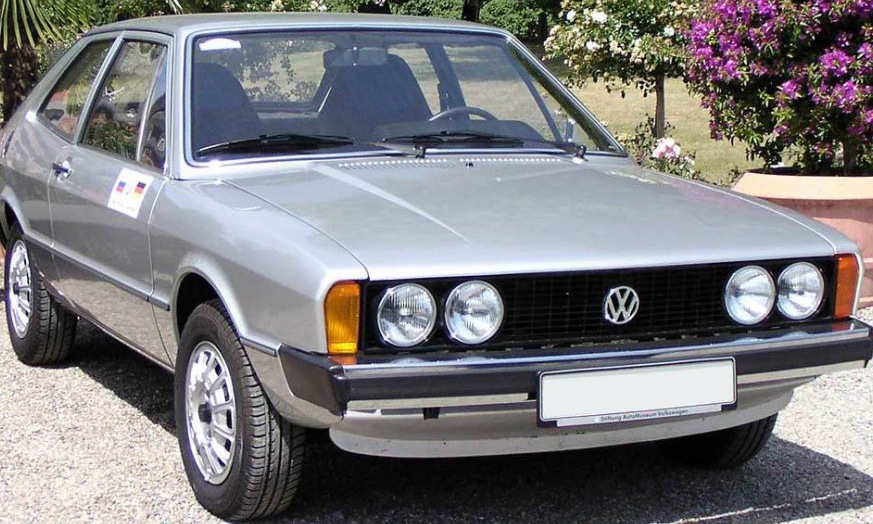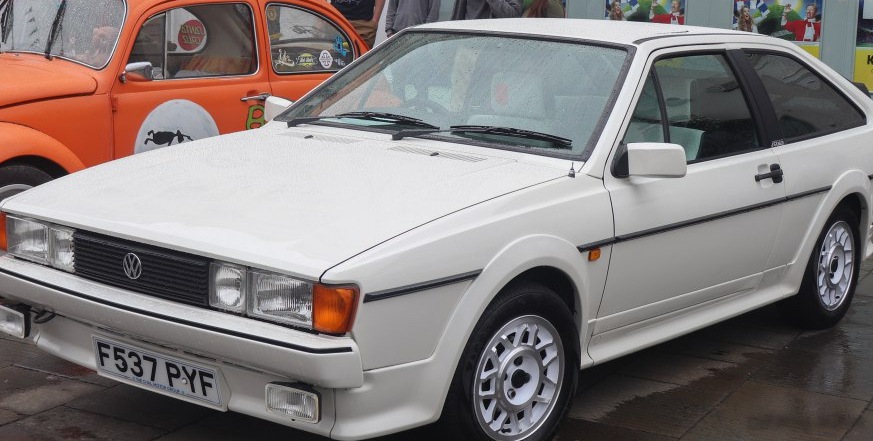
The Volkswagen Scirocco II, internally designated the 53B, represented a significant evolution of Volkswagen’s sporty coupe when it arrived in 1981. Produced through 1989, the Scirocco II built upon the success of its predecessor, offering a more refined design and a wider range of engine options. The 1.8 16V variant, introduced in 1985, was positioned as a performance-oriented model within the lineup, offering a substantial power increase over the base engines. This model played a key role in solidifying the Scirocco’s reputation as a driver’s car in the European market, though it saw limited official import into the United States.
Technical Specifications
| Brand | Volkswagen |
| Model | Scirocco |
| Generation | Scirocco II (53B) |
| Type (Engine) | 1.8 16V (139 Hp) |
| Start of production | 1985 |
| End of production | 1989 |
| Powertrain Architecture | Internal Combustion engine |
| Body type | Coupe |
| Seats | 5 |
| Doors | 3 |
| Fuel Type | Petrol (Gasoline) |
| Acceleration 0 – 100 km/h | 8 sec |
| Acceleration 0 – 62 mph | 8 sec |
| Acceleration 0 – 60 mph | 7.6 sec |
| Maximum speed | 208 km/h (129.25 mph) |
| Power | 139 Hp @ 6300 rpm |
| Power per litre | 78 Hp/l |
| Torque | 160 Nm (118.01 lb.-ft.) |
| Engine layout | Front, Transverse |
| Engine Model/Code | KR |
| Engine displacement | 1781 cm3 (108.68 cu. in.) |
| Number of cylinders | 4 |
| Engine configuration | Inline |
| Cylinder Bore | 81 mm (3.19 in.) |
| Piston Stroke | 86.4 mm (3.4 in.) |
| Number of valves per cylinder | 4 |
| Engine aspiration | Naturally aspirated engine |
| Engine oil capacity | 4 l (4.23 US qt | 3.52 UK qt) |
| Coolant | 6.5 l (6.87 US qt | 5.72 UK qt) |
| Length | 4050 mm (159.45 in.) |
| Width | 1640 mm (64.57 in.) |
| Height | 1280 mm (50.39 in.) |
| Wheelbase | 2400 mm (94.49 in.) |
| Drivetrain Architecture | The Internal combustion engine (ICE) drives the front wheels of the vehicle. |
| Drive wheel | Front wheel drive |
| Number of gears and type of gearbox | 5 gears, manual transmission |
Introduction
The Scirocco II 1.8 16V arrived mid-way through the 53B generation’s production run, offering a significant performance upgrade. Built on the Volkswagen A2 platform – shared with the Golf Mk2 and Jetta Mk2 – the Scirocco II aimed to blend sporty styling with everyday practicality. The 16V designation referred to the engine’s four-cylinder head, featuring four valves per cylinder, a design that allowed for increased airflow and higher engine speeds. This variant was aimed at enthusiasts seeking a more engaging driving experience than the base models offered.
Powertrain & Engine Architecture
The heart of the Scirocco II 1.8 16V is the KR engine code, a 1781cc inline-four cylinder engine. This engine utilized Bosch Motronic fuel injection, a sophisticated system for its time, which precisely controlled fuel delivery based on a variety of sensor inputs. The 16-valve cylinder head, a key feature, employed a dual overhead camshaft (DOHC) design, maximizing valve area and contributing to the engine’s high-revving nature. The engine’s relatively small displacement, combined with the 16 valves, allowed it to produce a respectable 139 horsepower. Unlike some contemporary performance cars, the Scirocco II 1.8 16V exclusively came with a five-speed manual transmission, prioritizing driver control and engagement. The transmission was a robust unit, designed to handle the engine’s power output and provide precise shifts.
Driving Characteristics
The Scirocco II 1.8 16V offered a noticeably more spirited driving experience compared to the lower-powered versions. Acceleration to 60 mph was achieved in approximately 7.6 seconds, and it could reach a top speed of around 129 mph. The engine’s powerband was relatively flat, providing usable torque throughout the rev range, but it truly came alive at higher RPMs. The five-speed manual transmission allowed drivers to keep the engine in its sweet spot, maximizing performance. While not a track weapon, the 1.8 16V provided a satisfying blend of performance and everyday usability. The front-wheel-drive layout, while common for the era, could exhibit some understeer when pushed hard, but the car remained predictable and controllable.
Equipment & Trim Levels
The Scirocco II 1.8 16V was generally well-equipped for its time, though options varied depending on the market. Standard features typically included power steering, a rear window wiper, and a basic stereo system. Interior upholstery was typically cloth, with options for upgraded materials. The dashboard layout was functional and driver-focused, with clear instrumentation. Popular optional extras included a sunroof, alloy wheels, and upgraded sound systems. The 16V models often featured sport seats with more aggressive bolstering, providing additional support during spirited driving. The trim level was generally considered a step above the base models, reflecting the increased performance and features.
Chassis & Braking
The Scirocco II utilized a MacPherson strut front suspension and a torsion beam rear suspension. This setup provided a good balance between ride comfort and handling. The 1.8 16V models often featured a slightly stiffer suspension setup compared to the base models, further enhancing handling. Braking was typically accomplished with disc brakes on the front wheels and drum brakes on the rear. While adequate for normal driving, the rear drum brakes were a point of criticism for some reviewers, particularly when compared to the all-disc brake setups found on some competitors. A stabilizer bar was fitted to both the front and rear axles, helping to reduce body roll during cornering.
Market Reception & Comparison
The Scirocco II 1.8 16V was generally well-received by automotive critics. It was praised for its lively engine, engaging handling, and stylish design. However, some critics noted the relatively basic interior and the presence of rear drum brakes. Compared to other performance coupes of the era, such as the Peugeot 205 GTI or the Ford Escort XR3i, the Scirocco II 1.8 16V offered a slightly more refined and comfortable driving experience. Fuel economy was reasonable for a performance car of the time, averaging around 28-32 mpg. Reliability was generally good, although the Motronic fuel injection system could occasionally require maintenance.
Legacy
The Volkswagen Scirocco II 1.8 16V remains a popular choice among classic car enthusiasts today. The KR engine is known for its durability and relatively straightforward maintenance. Parts availability is generally good, although some specific components can be difficult to find. The Scirocco II 1.8 16V has become a sought-after model in the used car market, particularly among those looking for a stylish and engaging classic coupe. Its blend of performance, practicality, and iconic design has ensured its place as a significant vehicle in Volkswagen’s history. Well-maintained examples continue to command respectable prices, reflecting their enduring appeal.