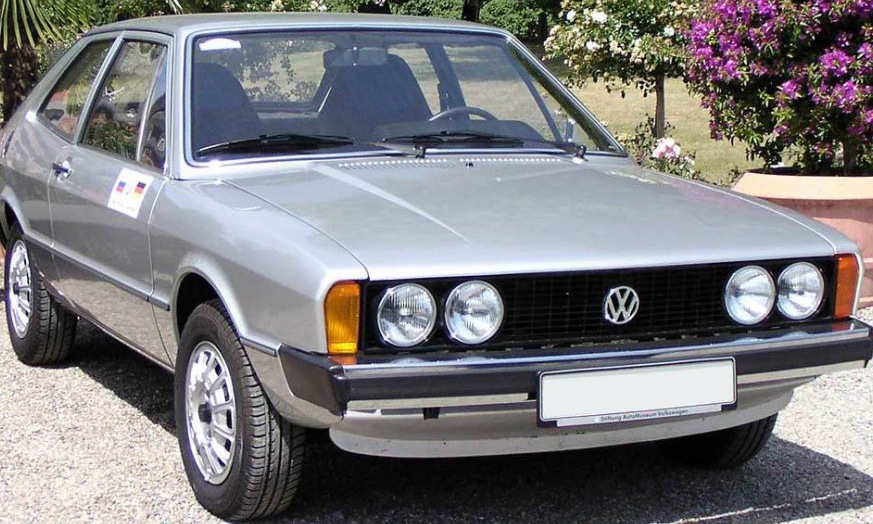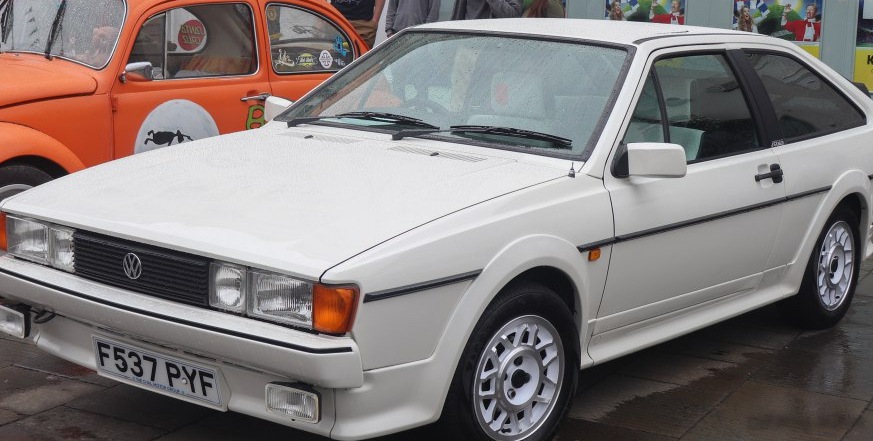
The Volkswagen Scirocco II, internally designated the 53B, represents the second generation of Volkswagen’s sporty coupe. Produced from 1981 to 1992, it built upon the success of the original Scirocco, offering a more refined and modern design. The 1.8-liter (95 hp) variant, available from 1985 onwards, occupied a significant position in the lineup, serving as a balance between affordability and acceptable performance. This model was particularly popular in Europe, where fuel economy and practicality were highly valued alongside a sporty image. While not the most powerful Scirocco II available, the 1.8 offered a compelling package for buyers seeking a stylish and relatively economical coupe.
Technical Specifications
| Brand | Volkswagen |
| Model | Scirocco |
| Generation | Scirocco II (53B) |
| Type (Engine) | 1.8 (95 Hp) |
| Start of production | 1985 |
| End of production | 1992 |
| Powertrain Architecture | Internal Combustion engine |
| Body type | Coupe |
| Doors | 2 |
| Fuel Type | Petrol (Gasoline) |
| Acceleration 0 – 100 km/h | 11 sec |
| Acceleration 0 – 62 mph | 11 sec |
| Acceleration 0 – 60 mph | 10.5 sec |
| Maximum speed | 194 km/h (120.55 mph) |
| Power | 95 Hp |
| Power per litre | 50.9 Hp/l |
| Engine layout | Front, Transverse |
| Engine Model/Code | DX, EX |
| Engine displacement | 1868 cm3 (113.99 cu. in.) |
| Number of cylinders | 4 |
| Number of valves per cylinder | 2 |
| Engine aspiration | Naturally aspirated engine |
| Engine oil capacity | 4 l (4.23 US qt | 3.52 UK qt) |
| Coolant capacity | 6.5 l (6.87 US qt | 5.72 UK qt) |
| Drivetrain Architecture | Front wheel drive |
| Number of gears and type of gearbox | 5 gears, manual transmission |
| Front suspension | Independent type McPherson |
| Rear suspension | Semi-independent suspension, longitudinal arms with transverse torsion shafts |
Introduction
The Scirocco II 1.8, produced between 1985 and 1992, was a key variant within the 53B generation. It was positioned as the entry-level engine option for buyers who desired the Scirocco’s styling but were mindful of cost. The 53B platform, shared with the Golf Mk2 and Jetta Mk2, provided a solid foundation for the coupe, offering improved refinement and handling over its predecessor. The 1.8-liter engine, available in both DX and EX trim levels, represented a sweet spot in the range, offering a reasonable balance of performance and fuel efficiency. It was a common sight on European roads, appealing to a broad demographic seeking a stylish and practical vehicle.
Powertrain & Engine Architecture
The 1.8-liter engine, designated DX or EX depending on minor specification differences, was a naturally aspirated, inline-four cylinder unit. It featured a cast iron block and an aluminum cylinder head, with two valves per cylinder. Fuel delivery was managed by Bosch mechanical fuel injection – a system common for the era, offering a compromise between cost and efficiency. The DX engine typically produced 90 hp, while the EX version was slightly upgraded to 95 hp through minor adjustments to the fuel injection and ignition timing. The engine’s relatively simple design contributed to its reliability, although it wasn’t known for being particularly powerful. The five-speed manual transmission was the standard offering, providing adequate gear ratios for everyday driving. The engine code, crucial for identifying specific parts and specifications, is typically found on a sticker in the engine bay or stamped on the engine block itself.
Driving Characteristics
The Scirocco II 1.8, with its 95 hp output, offered a respectable, if not exhilarating, driving experience. Acceleration from 0-60 mph took around 10.5 to 11 seconds, making it competitive with other coupes of the time, but noticeably slower than the more powerful 1.8 16V or VR6 variants. The five-speed manual transmission allowed drivers to keep the engine in its optimal power band, but the engine lacked significant low-end torque, requiring frequent downshifts for overtaking maneuvers. The front-wheel-drive configuration provided predictable handling, although it could exhibit understeer when pushed hard. Compared to the 1.6-liter base model, the 1.8 offered a noticeable improvement in performance, while remaining more affordable and fuel-efficient than the higher-spec engines. The gear ratios were fairly well-spaced, contributing to a comfortable cruising experience on the highway.
Equipment & Trim Levels
The Scirocco II 1.8 DX and EX trim levels offered a reasonable level of standard equipment. The DX typically featured basic cloth upholstery, a simple dashboard layout, and manual windows and door locks. The EX trim added upgrades such as upgraded cloth upholstery, a more comprehensive instrument cluster, and sometimes, power windows. Optional extras included a sunroof, alloy wheels, and a more sophisticated stereo system. Interior space was adequate for a coupe, but rear seats were best suited for occasional use. The dashboard design was functional and typically featured a combination of analog gauges and warning lights. The overall interior ambiance was typical of 1980s German automotive design – practical, durable, and relatively understated.
Chassis & Braking
The Scirocco II utilized the proven chassis design from the Golf Mk2, featuring an independent McPherson strut suspension at the front and a semi-independent torsion beam suspension at the rear. This setup provided a good balance of ride comfort and handling. The 1.8-liter models typically featured smaller diameter tires and wheels compared to the higher-performance variants, contributing to a slightly softer ride. Braking was initially accomplished with front disc brakes and rear drum brakes, although later models often received rear disc brakes as standard equipment. The braking system was adequate for everyday driving, but lacked the stopping power of more modern systems. Stabilizer bars were fitted to both the front and rear axles, helping to reduce body roll during cornering.
Market Reception & Comparison
The Scirocco II 1.8 was generally well-received by automotive critics as a stylish and affordable coupe. It was praised for its handling, build quality, and fuel efficiency. However, it was often criticized for its lack of outright performance compared to its rivals and even some of its own siblings. Compared to the 1.8 16V, the 1.8 offered significantly less power, but at a lower price point. The 1.6-liter base model was even more affordable, but lacked the performance of the 1.8. The 1.8 automatic transmission option, while offering convenience, further reduced performance and fuel economy. In terms of reliability, the 1.8-liter engine proved to be relatively robust, although regular maintenance was essential to prevent issues such as oil leaks and corrosion.
Legacy
The Scirocco II 1.8 remains a popular choice among classic car enthusiasts today. Its relatively simple mechanical design makes it relatively easy to maintain and repair. The 1.8-liter engine, while not particularly powerful, is known for its durability and reliability. Parts availability is generally good, although some specific components can be difficult to find. The Scirocco II 1.8 represents a significant piece of 1980s automotive history, offering a blend of style, practicality, and affordability. Well-maintained examples are increasingly sought after by collectors and enthusiasts, and continue to provide a rewarding driving experience.