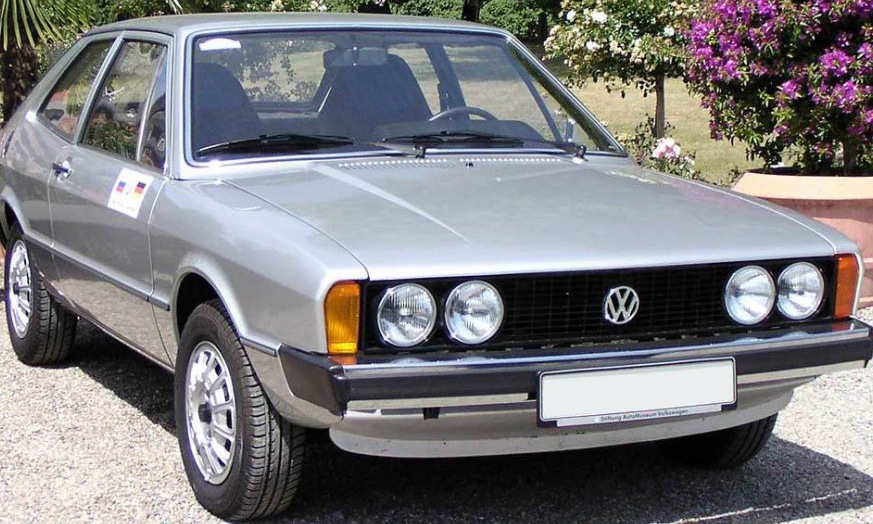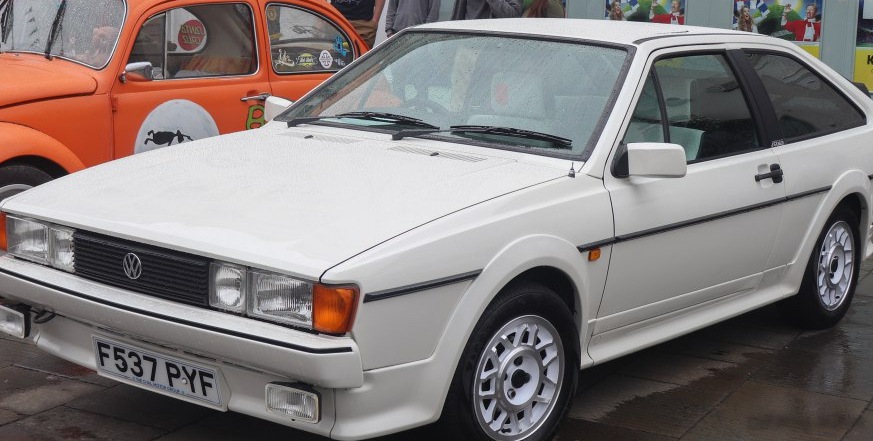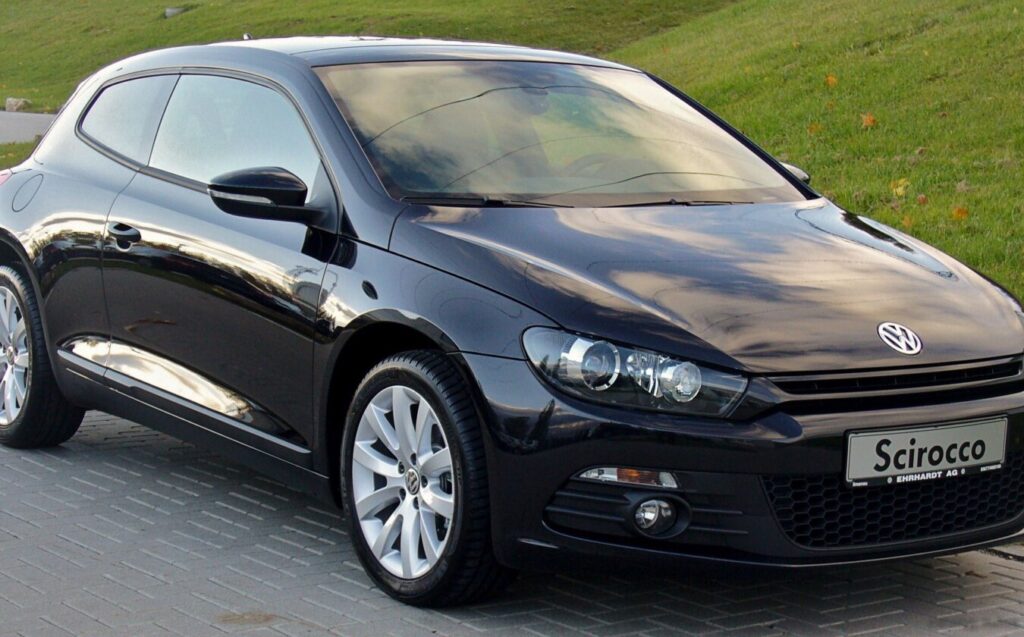
The Volkswagen Scirocco III 2.0 TDI, producing 177 horsepower, represents a compelling blend of performance and efficiency within the third generation Scirocco lineup (2008-2014). Introduced in 2013 and remaining in production through 2014, this variant occupied a mid-range position, offering a diesel-powered alternative to the gasoline engines available. Built on the Volkswagen Group’s PQ35 platform – also known as the A5 platform – the Scirocco aimed to recapture the spirit of the original 1974 Scirocco, offering a sporty coupe experience in a more accessible package. This model was primarily marketed in Europe and other regions where diesel engines were favored, offering a balance between fuel economy and respectable performance.
Technical Specifications
| Brand | Volkswagen |
| Model | Scirocco |
| Generation | Scirocco III |
| Type (Engine) | 2.0 TDI (177 Hp) |
| Start of production | 2013 |
| End of production | 2014 |
| Powertrain Architecture | Internal Combustion engine |
| Body type | Coupe |
| Seats | 4 |
| Doors | 3 |
| Fuel consumption (economy) – urban (NEDC) | 6.5 l/100 km (36.2 US mpg, 43.5 UK mpg, 15.4 km/l) |
| Fuel consumption (economy) – extra urban (NEDC) | 4.3 l/100 km (54.7 US mpg, 65.7 UK mpg, 23.3 km/l) |
| Fuel consumption (economy) – combined (NEDC) | 5.1 l/100 km (46.1 US mpg, 55.4 UK mpg, 19.6 km/l) |
| CO2 emissions (NEDC) | 134 g/km |
| Fuel Type | Diesel |
| Acceleration 0 – 100 km/h | 7.9 sec |
| Acceleration 0 – 62 mph | 7.9 sec |
| Acceleration 0 – 60 mph | 7.5 sec |
| Maximum speed | 223 km/h (138.57 mph) |
| Emission standard | Euro 5 |
| Weight-to-power ratio | 7.3 kg/Hp, 136.3 Hp/tonne |
| Weight-to-torque ratio | 3.4 kg/Nm, 292.5 Nm/tonne |
| Power | 177 Hp @ 4200 rpm |
| Power per litre | 89.9 Hp/l |
| Torque | 380 Nm @ 1750-2500 rpm (280.27 lb.-ft. @ 1750-2500 rpm) |
| Engine layout | Front, Transverse |
| Engine Model/Code | CFGC |
| Engine displacement | 1968 cm3 (120.09 cu. in.) |
| Number of cylinders | 4 |
| Engine configuration | Inline |
| Cylinder Bore | 81 mm (3.19 in.) |
| Piston Stroke | 95.5 mm (3.76 in.) |
| Number of valves per cylinder | 4 |
| Fuel injection system | Diesel Commonrail |
| Engine aspiration | Turbocharger, Intercooler |
| Valvetrain | DOHC |
| Engine oil capacity | 4.3 l (4.54 US qt | 3.78 UK qt) |
| Kerb Weight | 1299 kg (2863.8 lbs.) |
| Max. weight | 1760 kg (3880.14 lbs.) |
| Max load | 461 kg (1016.33 lbs.) |
| Trunk (boot) space – minimum | 312 l (11.02 cu. ft.) |
| Trunk (boot) space – maximum | 1006 l (35.53 cu. ft.) |
| Fuel tank capacity | 55 l (14.53 US gal | 12.1 UK gal) |
| Max. roof load | 75 kg (165.35 lbs.) |
| Length | 4256 mm (167.56 in.) |
| Width | 1810 mm (71.26 in.) |
| Width including mirrors | 2080 mm (81.89 in.) |
| Height | 1404 mm (55.28 in.) |
| Wheelbase | 2578 mm (101.5 in.) |
| Front track | 1569 mm (61.77 in.) |
| Rear (Back) track | 1575 mm (62.01 in.) |
| Ride height (ground clearance) | 136 mm (5.35 in.) |
| Minimum turning circle (turning diameter) | 11 m (36.09 ft.) |
| Front suspension | Coil spring, Wishbone, Transverse stabilizer |
| Rear suspension | Independent multi-link suspension, Transverse stabilizer |
| Front brakes | Ventilated discs |
| Rear brakes | Disc |
| Assisting systems | ABS (Anti-lock braking system) |
| Steering type | Steering rack and pinion |
| Power steering | Electric Steering |
| Tires size | 225/45 R17 |
| Wheel rims size | 7J x 17 |
Powertrain & Engine Architecture
The Scirocco III 2.0 TDI utilized the CFGC engine code, a 1968cc inline-four cylinder diesel engine. This engine was a member of the Volkswagen Group’s modular engine family, known for its common rail direct injection system. This system, supplied by Bosch, allowed for precise fuel delivery and optimized combustion, contributing to both power and efficiency. The engine featured a single turbocharger with an intercooler, boosting power output and reducing turbo lag. The double overhead camshaft (DOHC) valvetrain, with four valves per cylinder, further enhanced breathing and performance. The engine’s design prioritized torque delivery, making it well-suited for everyday driving. The 2.0 TDI was paired with a six-speed automatic transmission, offering smooth shifts and contributing to a more relaxed driving experience compared to the available manual gearbox.
Driving Characteristics
The 177 hp 2.0 TDI automatic Scirocco offered a comfortable and capable driving experience. While not as overtly sporty as the gasoline-powered versions, the diesel engine’s substantial 380 Nm (280 lb-ft) of torque provided strong acceleration, particularly in the mid-range. The automatic transmission was tuned for efficiency, with gear ratios optimized for fuel economy. Acceleration from 0-60 mph took approximately 7.5 to 7.9 seconds, respectable for a diesel coupe. The automatic transmission, while smooth, didn’t offer the same level of driver engagement as the manual option. The Scirocco’s suspension provided a good balance between comfort and handling, making it suitable for both city driving and longer journeys.
Equipment & Trim Levels
The 2.0 TDI variant typically came equipped with a reasonable level of standard features. These included air conditioning, alloy wheels, a multi-function steering wheel, and an infotainment system with a touchscreen display. Higher trim levels offered options such as leather upholstery, heated front seats, a panoramic sunroof, and upgraded audio systems. The interior design was modern and driver-focused, with a sporty three-spoke steering wheel and supportive seats. The Scirocco’s interior, while well-built, wasn’t overly luxurious, reflecting its positioning as a relatively affordable coupe.
Chassis & Braking
The Scirocco III featured a MacPherson strut front suspension and a multi-link rear suspension, providing a comfortable ride and good handling characteristics. The front brakes were ventilated discs, while the rear brakes were solid discs. Anti-lock Braking System (ABS) was standard. The chassis was relatively lightweight, contributing to the car’s agility. The steering was electrically assisted, providing a light and precise feel. The suspension setup was tuned to balance comfort and handling, making the Scirocco enjoyable to drive on a variety of road surfaces.
Market Reception & Comparison
The Scirocco III 2.0 TDI was generally well-received by automotive critics. It was praised for its fuel efficiency, strong torque output, and comfortable ride. However, some reviewers noted that it lacked the outright performance and driver engagement of the gasoline-powered models. Compared to the 1.4 TSI and 2.0 TSI variants, the 2.0 TDI offered superior fuel economy but slightly slower acceleration. The 2.0 TDI was often seen as a more practical choice for drivers who prioritized fuel efficiency and everyday usability over outright performance. Its reliability was generally considered good, typical of Volkswagen diesel engines of the era.
Legacy
The Volkswagen Scirocco III 2.0 TDI remains a popular choice in the used car market, particularly in Europe. Its combination of fuel efficiency, practicality, and sporty styling continues to appeal to buyers. The CFGC engine, while known for its durability, requires regular maintenance, including timely servicing of the diesel particulate filter (DPF). Well-maintained examples can provide many years of reliable service. The Scirocco III, and specifically the 2.0 TDI variant, represents a successful attempt by Volkswagen to revive a classic nameplate, offering a modern and appealing coupe for a new generation of drivers.