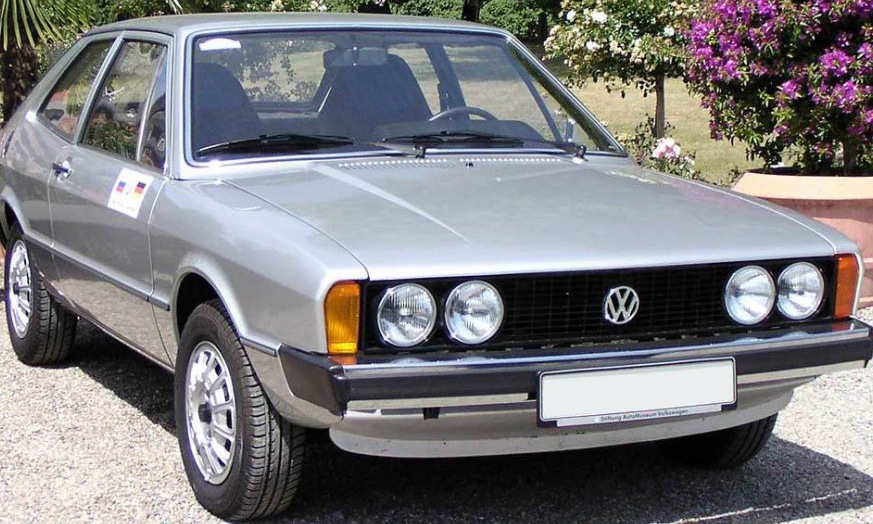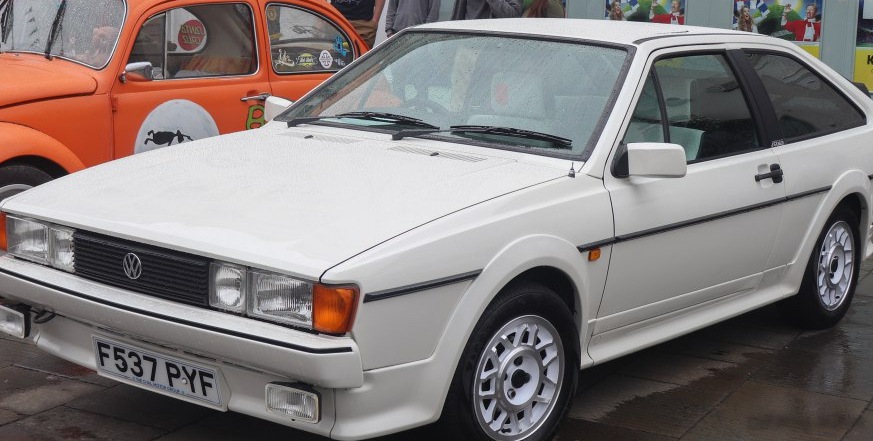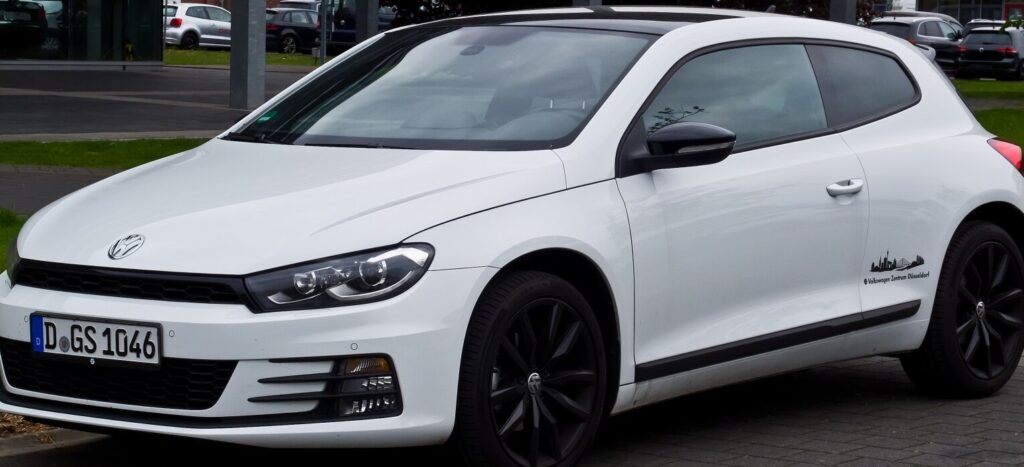
The Volkswagen Scirocco III, specifically the facelifted version produced from 2014 to 2017, represented a significant evolution of the iconic coupe. The 2.0 TDI variant, producing 184 horsepower, occupied a middle ground within the Scirocco lineup, offering a blend of performance and fuel efficiency. Built on the Volkswagen Group’s A5 platform (derived from the earlier A3/1HX0 platform), the Scirocco aimed to recapture the spirit of the original, offering a sporty and stylish alternative to more practical hatchbacks. This version was primarily marketed in Europe, where demand for diesel-powered coupes remained strong, though limited numbers were available in other markets.
Technical Specifications
| Brand | Volkswagen |
| Model | Scirocco |
| Generation | Scirocco III (facelift 2014) |
| Type (Engine) | 2.0 TDI (184 Hp) |
| Start of production | June, 2014 |
| End of production | September, 2017 |
| Powertrain Architecture | Internal Combustion engine |
| Body type | Coupe |
| Seats | 4 |
| Doors | 3 |
| Fuel consumption (urban) | 5.4 l/100 km (43.6 US mpg, 52.3 UK mpg, 18.5 km/l) |
| Fuel consumption (extra urban) | 3.8 l/100 km (61.9 US mpg, 74.3 UK mpg, 26.3 km/l) |
| Fuel consumption (combined) | 4.4 l/100 km (53.5 US mpg, 64.2 UK mpg, 22.7 km/l) |
| CO2 emissions | 115 g/km |
| Fuel Type | Diesel |
| Acceleration 0 – 100 km/h | 7.5 sec |
| Acceleration 0 – 62 mph | 7.5 sec |
| Acceleration 0 – 60 mph | 7.1 sec |
| Maximum speed | 230 km/h (142.92 mph) |
| Emission standard | Euro 6 |
| Weight-to-power ratio | 7.6 kg/Hp, 131.9 Hp/tonne |
| Weight-to-torque ratio | 3.7 kg/Nm, 272.4 Nm/tonne |
| Power | 184 Hp @ 3500-4000 rpm |
| Power per litre | 93.5 Hp/l |
| Torque | 380 Nm @ 1750-3250 rpm (280.27 lb.-ft. @ 1750-3250 rpm) |
| Engine layout | Front, Transverse |
| Engine Model/Code | CUWA, CUXA |
| Engine displacement | 1968 cm3 (120.09 cu. in.) |
| Number of cylinders | 4 |
| Engine configuration | Inline |
| Number of valves per cylinder | 4 |
| Fuel injection system | Diesel Commonrail |
| Engine aspiration | Turbocharger, Intercooler |
| Engine oil capacity | 4.7 l (4.97 US qt | 4.14 UK qt) |
| Kerb Weight | 1395 kg (3075.45 lbs) |
| Max. weight | 1800 kg (3968.32 lbs) |
| Max load | 405 kg (892.87 lbs) |
| Trunk (boot) space – minimum | 312 l (11.02 cu. ft.) |
| Trunk (boot) space – maximum | 1006 l (35.53 cu. ft.) |
| Fuel tank capacity | 55 l (14.53 US gal | 12.1 UK gal) |
| Length | 4256 mm (167.56 in) |
| Width | 1810 mm (71.26 in) |
| Height | 1406 mm (55.35 in) |
| Wheelbase | 2578 mm (101.5 in) |
| Front track | 1569 mm (61.77 in) |
| Rear (Back) track | 1575 mm (62.01 in) |
| Minimum turning circle | 11 m (36.09 ft) |
| Drivetrain Architecture | The Internal combustion engine (ICE) drives the front wheels of the vehicle. |
| Drive wheel | Front wheel drive |
| Number of gears and type of gearbox | 6 gears, manual transmission |
| Front brakes | Ventilated discs |
| Assisting systems | ABS (Anti-lock braking system) |
| Steering type | Steering rack and pinion |
| Tires size | 205/50 R17; 225/45 R17 |
| Wheel rims size | 7J x 17 |
INTRODUCTION
The 2.0 TDI 184 hp Scirocco, introduced during the 2014 facelift, was a key variant in the Scirocco III range. The facelift brought revised styling, updated technology, and refinements to the engine lineup. This particular engine, utilizing the CUWA or CUXA engine codes, was positioned as a compelling option for drivers seeking a balance between performance and economy. It sat above the lower-powered TDI variants and below the more expensive and performance-focused petrol models. The Scirocco, in its third generation, aimed to be a more mature and refined offering than its predecessors, appealing to a broader audience while retaining a sporty image.
Powertrain & Engine Architecture
The heart of this Scirocco variant is the 2.0-liter four-cylinder diesel engine. The CUWA and CUXA engine codes represent minor variations within the same engine family, primarily relating to emissions control systems and software calibrations. This engine utilizes a common rail direct injection system, delivering fuel at extremely high pressure for optimized combustion. A turbocharger with an intercooler further enhances performance, boosting power and torque. The engine features four valves per cylinder and a robust internal architecture designed for longevity. The 184 horsepower output is achieved through careful tuning of the engine management system, maximizing efficiency and responsiveness. The engine is transversely mounted at the front of the vehicle, driving the front wheels. The six-speed manual transmission was standard, providing precise gear changes and contributing to the car’s engaging driving experience.
Driving Characteristics
The 2.0 TDI 184 hp Scirocco offered a surprisingly capable driving experience. While not as overtly sporty as the petrol-powered versions, the diesel engine delivered strong low-end torque, making it effortless to drive in everyday situations. The 380 Nm (280 lb-ft) of torque available from 1750-3250 rpm provided ample pulling power for overtaking and navigating winding roads. The six-speed manual transmission was well-matched to the engine’s characteristics, allowing drivers to keep the engine in its optimal power band. Acceleration from 0-60 mph took around 7.1 seconds, respectable for a diesel coupe. The suspension, tuned for a balance between comfort and handling, provided a stable and controlled ride. Compared to the higher-output petrol versions, the TDI felt more relaxed and refined, prioritizing fuel efficiency over outright performance.
Equipment & Trim Levels
The 2.0 TDI 184 hp Scirocco typically came equipped with a generous level of standard features. These included air conditioning, alloy wheels, a touchscreen infotainment system, and a comprehensive suite of safety equipment, including ABS, ESP, and multiple airbags. Higher trim levels offered additional features such as leather upholstery, heated front seats, a panoramic sunroof, and a premium sound system. Optional extras included parking sensors, navigation, and adaptive cruise control. Interior upholstery was typically cloth on base models, with leather options available on higher trims. The dashboard layout was modern and driver-focused, with clear instrumentation and intuitive controls.
Chassis & Braking
The Scirocco III utilized a MacPherson strut front suspension and a multi-link rear suspension, providing a good balance of ride comfort and handling precision. The chassis was reinforced to improve rigidity and reduce body roll. Front brakes were ventilated discs, providing ample stopping power, while rear brakes were typically solid discs. The steering was a rack-and-pinion system, offering precise and responsive control. Tire sizes varied depending on the trim level, with 205/50 R17 and 225/45 R17 being common options. The suspension setup was tuned to complement the engine’s torque characteristics, providing a stable and predictable driving experience.
Market Reception & Comparison
The 2.0 TDI 184 hp Scirocco was generally well-received by automotive critics. It was praised for its fuel efficiency, strong performance, and stylish design. However, some critics noted that it lacked the outright excitement of the petrol-powered versions. Compared to the 1.4 TSI petrol engine, the TDI offered superior fuel economy and torque, but less peak power. Against the more powerful 2.0 TSI, the TDI provided a more affordable and economical alternative. Reliability was generally good, with the TDI engine proving to be durable and long-lasting. Fuel economy figures of around 53.5 US mpg combined made it an attractive option for drivers covering long distances.
Legacy
The Volkswagen Scirocco III 2.0 TDI 184 hp remains a popular choice in the used car market. Its combination of style, performance, and fuel efficiency continues to appeal to buyers. The TDI engine is known for its reliability, although regular maintenance is essential to ensure longevity. Common issues include diesel particulate filter (DPF) clogging and injector wear, but these are typically manageable with proper care. The Scirocco’s enduring design and engaging driving experience have cemented its status as a modern classic, offering a compelling alternative to more mainstream coupes.