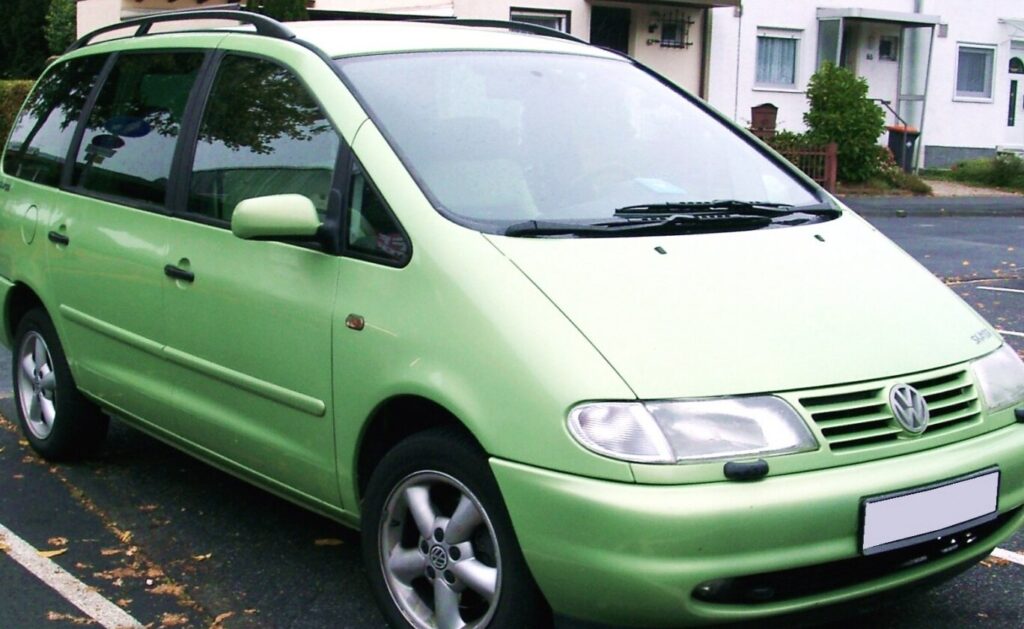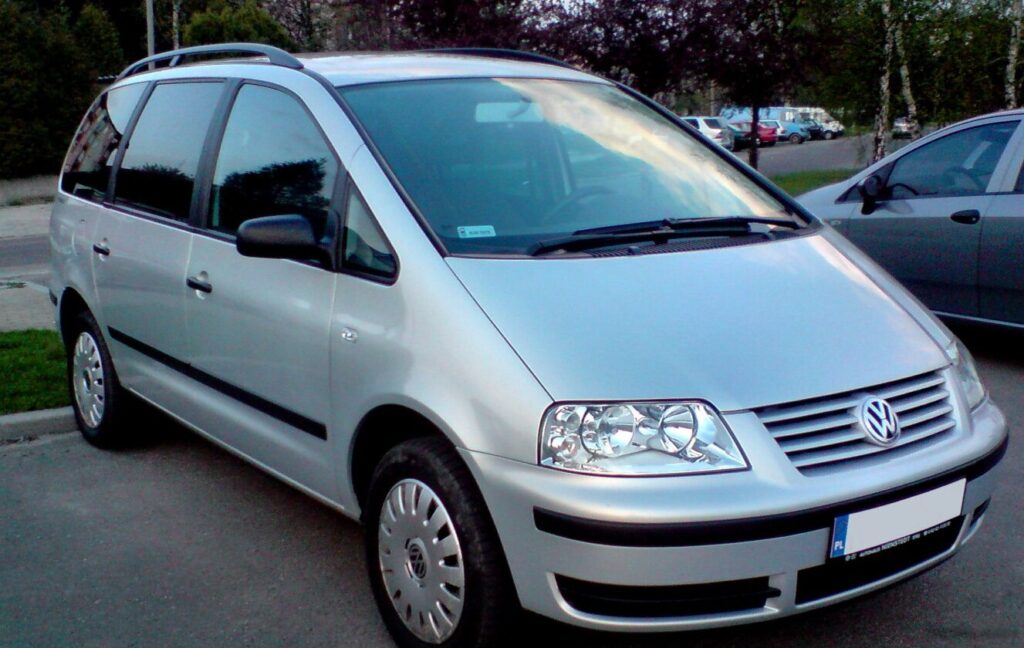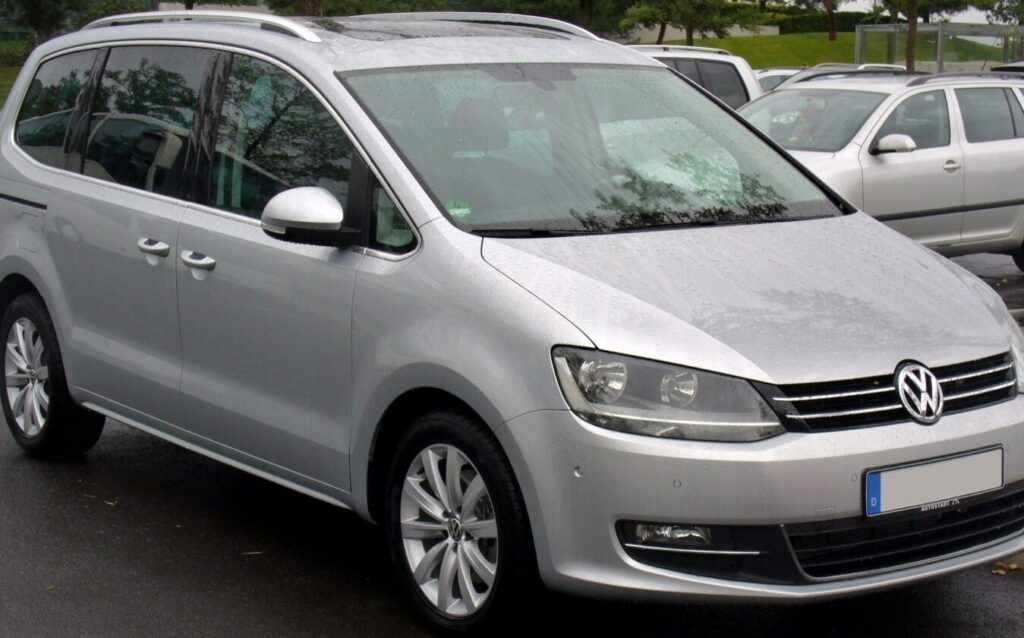
The Volkswagen Sharan II 2.0 TDI with 177 horsepower and a 7-speed Dual Clutch Gearbox (DSG) was a popular configuration within the second generation of the Sharan minivan, produced from 2013 to 2015. Positioned as a mid-range offering, it balanced performance, fuel efficiency, and practicality for families. This variant was a key component of Volkswagen’s strategy to offer a versatile seven-seater MPV appealing to a broad European market, and to a lesser extent, other regions. The Sharan II, built on the PQ46 platform shared with the SEAT Alhambra and Skoda Octavia, aimed to provide a more refined and technologically advanced alternative to earlier minivan designs.
Technical Specifications
| Brand | Volkswagen |
| Model | Sharan |
| Generation | Sharan II |
| Type (Engine) | 2.0 TDI (177 Hp) DSG SCR 7 Seat |
| Start of production | 2013 |
| End of production | 2015 |
| Powertrain Architecture | Internal Combustion engine |
| Body type | Minivan, MPV |
| Seats | 7 |
| Doors | 5 |
| Fuel consumption (urban) | 6.7 l/100 km (35.1 US mpg, 42.2 UK mpg, 14.9 km/l) |
| Fuel consumption (extra urban) | 5.4 l/100 km (43.6 US mpg, 52.3 UK mpg, 18.5 km/l) |
| Fuel consumption (combined) | 5.9 l/100 km (39.9 US mpg, 47.9 UK mpg, 16.9 km/l) |
| CO2 emissions | 154 g/km |
| Fuel Type | Diesel |
| Acceleration 0 – 100 km/h | 9.6 sec |
| Acceleration 0 – 62 mph | 9.6 sec |
| Acceleration 0 – 60 mph | 9.1 sec |
| Maximum speed | 206 km/h (128 mph) |
| Emission standard | Euro 5 |
| Weight-to-power ratio | 10.2 kg/Hp, 98.1 Hp/tonne |
| Weight-to-torque ratio | 4.7 kg/Nm, 210.6 Nm/tonne |
| Power | 177 Hp @ 4200 rpm |
| Power per litre | 89.9 Hp/l |
| Torque | 380 Nm @ 1750-2500 rpm (280.27 lb.-ft. @ 1750-2500 rpm) |
| Engine layout | Front, Transverse |
| Engine Model/Code | CFGC |
| Engine displacement | 1968 cm3 (120.09 cu. in.) |
| Number of cylinders | 4 |
| Engine configuration | Inline |
| Number of valves per cylinder | 4 |
| Fuel injection system | Diesel Commonrail |
| Engine aspiration | Turbocharger, Intercooler |
| Engine oil capacity | 4.3 l (4.54 US qt | 3.78 UK qt) |
| Coolant | 8 l (8.45 US qt | 7.04 UK qt) |
| Kerb Weight | 1804 kg (3977.14 lbs.) |
| Max. weight | 2370 kg (5224.96 lbs.) |
| Max load | 566 kg (1247.82 lbs.) |
| Trunk (boot) space – minimum | 300 l (10.59 cu. ft.) |
| Trunk (boot) space – maximum | 2297 l (81.12 cu. ft.) |
| Fuel tank capacity | 70 l (18.49 US gal | 15.4 UK gal) |
| Length | 4854 mm (191.1 in.) |
| Width | 1904 mm (74.96 in.) |
| Height | 1720 mm (67.72 in.) |
| Wheelbase | 2919 mm (114.92 in.) |
| Front track | 1569 mm (61.77 in.) |
| Rear (Back) track | 1617 mm (63.66 in.) |
| Minimum turning circle | 11.9 m (39.04 ft.) |
| Drivetrain Architecture | Front wheel drive |
| Number of gears | 6 |
| Gearbox type | Automatic transmission DSG |
| Front brakes | Ventilated discs |
| Assisting systems | ABS (Anti-lock braking system) |
| Steering type | Steering rack and pinion |
| Tires size | 215/60 R16; 225/50 R17 |
| Wheel rims size | 6.5J x 16; 7J x 17 |
INTRODUCTION
The Volkswagen Sharan II 2.0 TDI 177 hp DSG SCR, produced between 2013 and 2015, represented a significant evolution in the minivan segment. As part of the second-generation Sharan (Typ 7N), this variant aimed to deliver a compelling blend of space, comfort, and efficiency. The Sharan II, along with its sister vehicles the SEAT Alhambra and Skoda Octavia, was built at the Palmela plant in Portugal. This model year saw the introduction of Selective Catalytic Reduction (SCR) technology to meet increasingly stringent Euro 5 emissions standards. The 2.0 TDI 177 hp version occupied a sweet spot in the lineup, offering a noticeable performance upgrade over the lower-powered diesel options while remaining more affordable than the range-topping models.
Powertrain & Engine Architecture
At the heart of the Sharan II 2.0 TDI 177 hp is the CFGC engine, a four-cylinder, inline diesel engine displacing 1968cc. This engine utilizes a common rail direct injection system, delivering fuel at extremely high pressures for optimized combustion. The engine is turbocharged and intercooled, enhancing power output and efficiency. The 177 hp output was achieved through careful calibration of the engine management system and the turbocharger. The SCR system, utilizing AdBlue (Diesel Exhaust Fluid), played a crucial role in reducing NOx emissions. Paired with this engine is the 7-speed DSG (Dual Clutch Gearbox), a sophisticated automatic transmission known for its quick and smooth gear changes. The DSG’s programming was tailored to balance fuel economy and responsiveness, offering both automatic and manual shift modes. The engine’s valvetrain features four valves per cylinder, contributing to its breathing efficiency.
Driving Characteristics
The 2.0 TDI 177 hp/DSG combination in the Sharan II provided a surprisingly capable driving experience for a large minivan. Acceleration from 0-60 mph took approximately 9.1 seconds, and top speed was rated at 128 mph. While not a sports car, the engine delivered ample torque (380 Nm or 280 lb-ft) from 1750-2500 rpm, making it easy to manage a fully loaded vehicle, even on inclines. The DSG transmission contributed to a seamless driving experience, with quick and precise gear changes. Compared to the lower-powered 140 hp TDI variant, the 177 hp version offered a noticeable improvement in responsiveness and overtaking ability. However, it didn’t quite match the performance of the petrol-powered models. The gear ratios in the DSG were optimized for both fuel efficiency and everyday drivability, providing comfortable cruising at highway speeds.
Equipment & Trim Levels
The Sharan II 2.0 TDI 177 hp typically came with a generous level of standard equipment. This included features like air conditioning, a touchscreen infotainment system, alloy wheels, and multiple airbags. Higher trim levels offered upgrades such as leather upholstery, a panoramic sunroof, parking sensors, and a navigation system. Interior upholstery was typically cloth in the base trims, with leather options available as upgrades. The dashboard layout was functional and modern, with a focus on ergonomics. Optional extras included a rear entertainment system, adaptive cruise control, and advanced safety features like lane assist.
Chassis & Braking
The Sharan II featured a MacPherson strut front suspension and a multi-link rear suspension, providing a comfortable and controlled ride. The suspension was tuned to prioritize ride comfort, but still offered decent handling characteristics. Braking duties were handled by ventilated discs on the front wheels and discs on the rear. ABS (Anti-lock Braking System) was standard, enhancing braking performance and stability. The Sharan II’s chassis was designed to accommodate the vehicle’s weight and provide a stable platform for carrying passengers and cargo. Stabilizer bars were fitted to both the front and rear axles to reduce body roll during cornering.
Market Reception & Comparison
The Volkswagen Sharan II 2.0 TDI 177 hp DSG SCR was generally well-received by automotive critics. It was praised for its spacious interior, comfortable ride, and efficient engine. The DSG transmission was also a highlight, offering smooth and quick gear changes. Compared to the lower-powered TDI variants, the 177 hp version was considered a worthwhile upgrade for those who frequently carried a full load or drove on motorways. Fuel economy was a strong point, with combined figures around 39.9 US mpg. Reliability was generally good, although some owners reported issues with the DSG transmission, a common concern with these units. Compared to competitors like the Ford Galaxy and Citroën C4 Picasso, the Sharan II offered a more premium feel and a higher level of refinement.
Legacy
The Volkswagen Sharan II 2.0 TDI 177 hp DSG SCR remains a popular choice in the used car market. Its combination of practicality, efficiency, and comfort continues to appeal to families. The CFGC engine, while not without its potential issues (such as DPF clogging and turbocharger wear), is generally considered robust and reliable if properly maintained. DSG transmissions require regular servicing, including fluid changes, to ensure longevity. Today, these vehicles can be found with relatively high mileage, and their value depends on condition, mileage, and service history. The Sharan II, and particularly this 2.0 TDI variant, cemented Volkswagen’s reputation for building high-quality, versatile MPVs.