
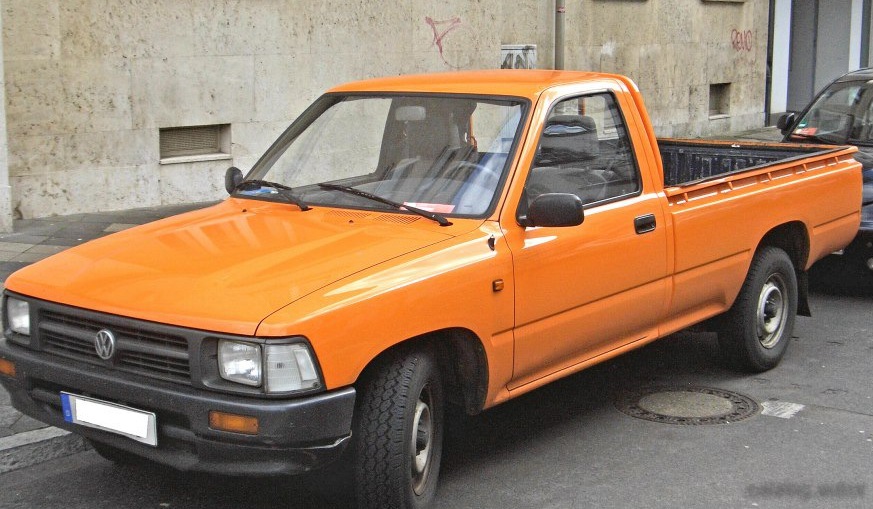
The Volkswagen Taro 2.4 D 4×4, produced between 1994 and 1997, represents a relatively short-lived but interesting chapter in Volkswagen’s commercial vehicle history. This pickup truck was the result of a cooperative agreement with Toyota, essentially a rebadged Toyota Hilux, tailored for the European market. While Volkswagen had previously offered pickup variants, the Taro was specifically designed to fill a gap in their lineup for a robust, medium-sized 4×4 pickup, offering a practical alternative to larger, more expensive options. It was positioned as a workhorse vehicle, aimed at commercial users and those needing a durable vehicle for rural environments. The 2.4 D variant, equipped with a 79 horsepower diesel engine and four-wheel drive, was a key offering within the Taro range, providing a balance of capability and affordability.
Technical Specifications
| Brand | Volkswagen |
| Model | Taro |
| Generation | Taro |
| Type (Engine) | 2.4 D (79 Hp) 4×4 |
| Start of production | 1994 |
| End of production | 1997 |
| Powertrain Architecture | Internal Combustion engine |
| Body type | Pick-up |
| Fuel Type | Diesel |
| Power | 79 Hp |
| Engine Model/Code | 2L |
| Engine aspiration | Naturally aspirated engine |
| Engine oil capacity | 5.8 l (6.13 US qt | 5.1 UK qt) |
Powertrain & Engine Architecture
The Volkswagen Taro 2.4 D 4×4 utilized a 2.4-liter, naturally aspirated diesel engine, designated as the 2L engine code. This engine was sourced directly from Toyota, being the same unit found in the Hilux of the same period. It’s a relatively simple, robust engine design, prioritizing durability and fuel efficiency over outright performance. The engine features indirect injection, a common characteristic of diesel engines of that era, utilizing a pre-combustion chamber design. This system helps to improve combustion efficiency and reduce noise compared to direct injection systems. The engine is a four-cylinder configuration with a cast iron block and an aluminum cylinder head. The valve train employs a single overhead camshaft (SOHC) operating two valves per cylinder. The 79 horsepower output is achieved at a relatively low engine speed, emphasizing torque delivery for hauling and off-road capability. The Taro’s four-wheel drive system is a part-time system, selectable via a lever inside the cabin. When engaged, it provides increased traction on loose or slippery surfaces. The transfer case allows for both high and low range gearing, enhancing its off-road prowess. The transmission is a five-speed manual, chosen for its simplicity and reliability, and was the only transmission option available with this engine.
Driving Characteristics
The driving experience of the Taro 2.4 D 4×4 is characterized by its utilitarian nature. The 79 horsepower engine, while adequate for most tasks, doesn’t offer brisk acceleration. Performance is best described as workmanlike, with a focus on providing sufficient torque for hauling loads and navigating challenging terrain. The five-speed manual transmission is well-matched to the engine’s characteristics, allowing the driver to keep the engine in its optimal power band. Gear ratios are relatively low, further enhancing its towing and off-road capabilities. The 4×4 system, when engaged, provides noticeable improvements in traction, particularly on slippery surfaces. However, it’s important to remember that this is a part-time system and should not be used on dry pavement, as it can cause drivetrain binding. The suspension is tuned for durability and load-carrying capacity, resulting in a firm ride, especially when unladen. Steering is direct but lacks the refinement of more modern systems. Overall, the Taro 2.4 D 4×4 prioritizes functionality and robustness over driving comfort and performance.
Equipment & Trim Levels
The Volkswagen Taro 2.4 D 4×4 was offered with a relatively basic level of equipment, reflecting its intended use as a work vehicle. Standard features typically included a vinyl interior, steel wheels, and a basic instrument cluster. Power steering was often included, but air conditioning and power windows were generally optional extras. The dashboard layout is functional and straightforward, prioritizing ease of use over aesthetic appeal. Trim levels were limited, with most variations stemming from optional equipment packages. These packages could include upgraded interior trim, a radio, and additional exterior features like mud flaps or a tow hitch. The focus was on providing a durable and practical vehicle, rather than luxury or convenience features. The interior space is generous, offering comfortable seating for two occupants, with limited space for passengers in the rear. The cargo bed is a key feature, offering a substantial load capacity for hauling goods.
Chassis & Braking
The chassis of the Taro 2.4 D 4×4 is a robust ladder frame construction, providing a solid foundation for its work-oriented design. The suspension utilizes leaf springs in the rear, providing a high load-carrying capacity and durability. The front suspension employs double wishbones with coil springs, offering a reasonable level of ride comfort. Braking is accomplished via hydraulic disc brakes on the front wheels and drum brakes on the rear. This configuration was common for pickups of this era, balancing cost and performance. The braking system is adequate for most driving conditions, but lacks the sophistication of more modern systems. The steering system is a recirculating ball type, providing direct but somewhat imprecise steering feel. The Taro’s wheelbase is relatively long, contributing to its stability and load-carrying capacity.
Market Reception & Comparison
The Volkswagen Taro 2.4 D 4×4 received a mixed reception from automotive critics. While its durability and off-road capability were generally praised, its lack of refinement and relatively low power output were often criticized. Compared to other pickups in the European market, such as the Ford Ranger and the Nissan Navara, the Taro offered a more affordable entry point, but lacked the features and sophistication of its competitors. Fuel economy was a strong point, with the 2.4-liter diesel engine delivering respectable mileage for a vehicle of its size and capability. Reliability was generally good, benefiting from the Toyota Hilux’s proven track record. However, some owners reported issues with rust, particularly in areas exposed to harsh weather conditions. Compared to the gasoline-powered versions of the Taro, the 2.4 D 4×4 offered significantly better fuel economy and torque, making it a popular choice for commercial users.
Legacy
The Volkswagen Taro, while a short-lived model, holds a unique place in Volkswagen’s history. It represents a pragmatic approach to entering the pickup truck market, leveraging Toyota’s expertise in this segment. Today, the Taro 2.4 D 4×4 is becoming increasingly sought after by collectors and enthusiasts, particularly those interested in Japanese domestic market (JDM) vehicles and utilitarian 4x4s. The 2L diesel engine is known for its longevity and relatively simple maintenance requirements, making it a reliable choice for those seeking a durable and affordable work vehicle. However, finding parts can be challenging, as many components are specific to the Toyota Hilux. Rust remains a concern, so potential buyers should carefully inspect the vehicle for corrosion. Overall, the Taro 2.4 D 4×4 is a testament to the enduring appeal of simple, robust, and capable vehicles.
