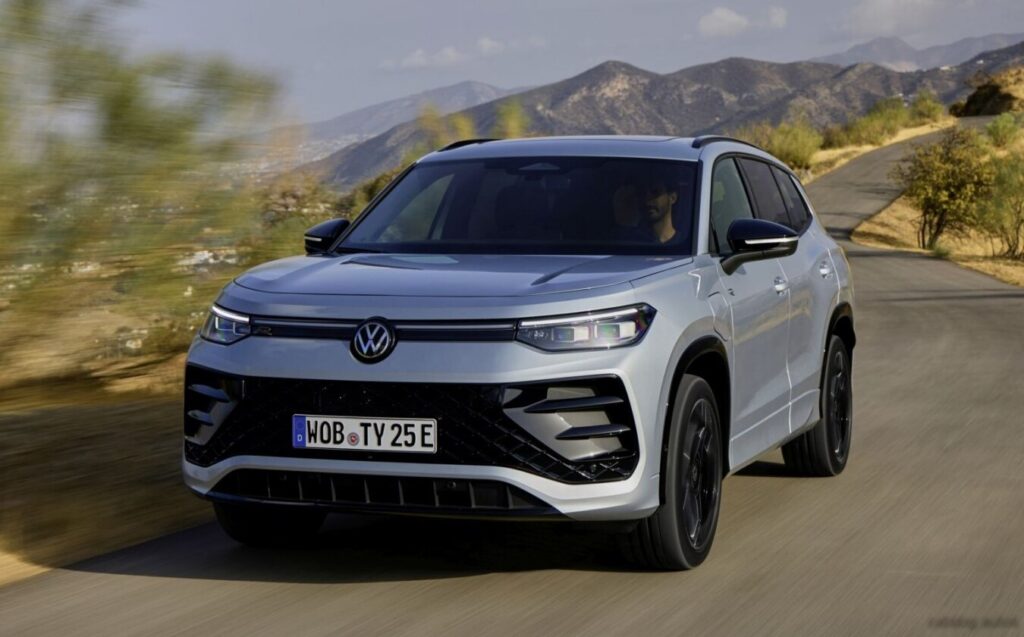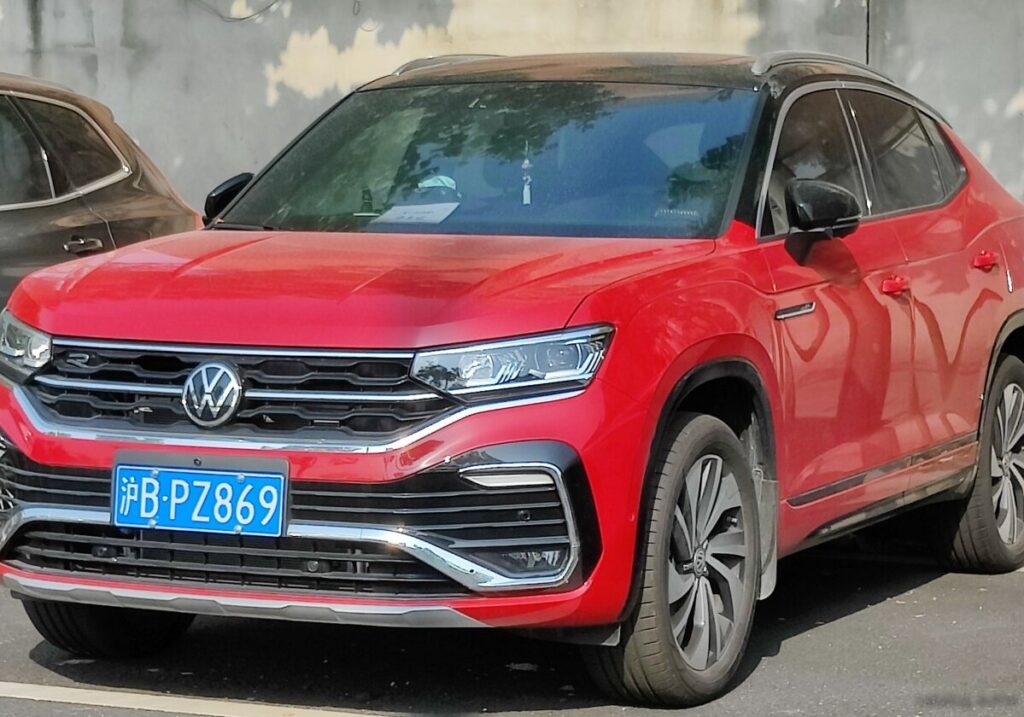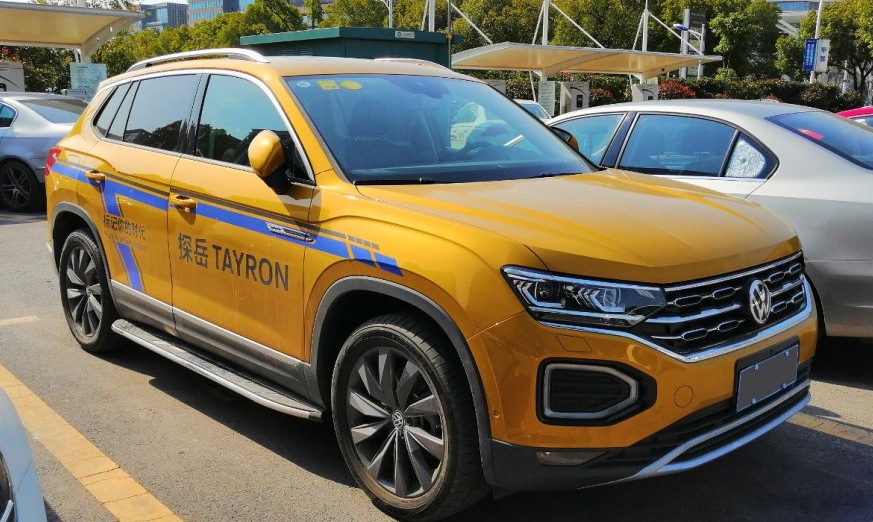
The Volkswagen Tayron I 330TSI, produced from 2018 to 2022, represents Volkswagen’s entry into the compact SUV market, primarily targeted towards consumers in China. Positioned as a more affordable and practical alternative to the Tiguan in certain markets, the Tayron offered a blend of modern styling, a spacious interior, and a range of efficient powertrain options. The 330TSI variant, equipped with a 2.0-liter turbocharged engine and a 7-speed dual-clutch transmission (DSG), served as a mid-range offering within the Tayron lineup, balancing performance with fuel economy. It was built on the Volkswagen Group’s MQB platform, shared with models like the Audi Q3 and Skoda Karoq.
Technical Specifications
| Brand | Volkswagen |
| Model | Tayron |
| Generation | Tayron I |
| Type (Engine) | 330TSI (186 Hp) DSG |
| Start of production | 2018 |
| End of production | 2022 |
| Powertrain Architecture | Internal Combustion engine |
| Body type | SUV |
| Seats | 5 |
| Doors | 5 |
| Fuel consumption (combined) | 6.7 l/100 km (35.1 US mpg, 42.2 UK mpg, 14.9 km/l) |
| Fuel Type | Petrol (Gasoline) |
| Acceleration 0 – 100 km/h | 8.7 sec |
| Acceleration 0 – 62 mph | 8.7 sec |
| Acceleration 0 – 60 mph | 8.3 sec |
| Maximum speed | 210 km/h (130.49 mph) |
| Weight-to-power ratio | 8.6 kg/Hp, 116.3 Hp/tonne |
| Weight-to-torque ratio | 5 kg/Nm, 200 Nm/tonne |
| Power | 186 Hp @ 5000 rpm |
| Power per litre | 93.8 Hp/l |
| Torque | 320 Nm @ 1600-4000 rpm (236.02 lb.-ft. @ 1600-4000 rpm) |
| Engine layout | Front, Transverse |
| Engine Model/Code | EA888 |
| Engine displacement | 1984 cm3 (121.07 cu. in.) |
| Number of cylinders | 4 |
| Engine configuration | Inline |
| Number of valves per cylinder | 4 |
| Fuel injection system | Direct injection |
| Engine aspiration | Turbocharger, Intercooler |
| Engine oil capacity | 5.7 l (6.02 US qt | 5.02 UK qt) |
| Kerb Weight | 1600 kg (3527.4 lbs.) |
| Trunk (boot) space – minimum | 506 l (17.87 cu. ft.) |
| Fuel tank capacity | 60 l (15.85 US gal | 13.2 UK gal) |
| Length | 4589-4595 mm (180.67 – 180.91 in.) |
| Width | 1860 mm (73.23 in.) |
| Height | 1660 mm (65.35 in.) |
| Wheelbase | 2731 mm (107.52 in.) |
| Drivetrain Architecture | Front wheel drive |
| Number of gears and type of gearbox | 7 gears, automatic transmission DSG |
| Front suspension | Independent type McPherson |
| Rear suspension | Independent multi-link suspension |
| Front brakes | Ventilated discs |
| Rear brakes | Disc |
| Assisting systems | ABS (Anti-lock braking system) |
| Steering type | Steering rack and pinion |
| Power steering | Electric Steering |
| Wheel rims size | 17; 18 |
Powertrain & Engine Architecture
The heart of the Tayron I 330TSI is the EA888 2.0-liter inline-four cylinder gasoline engine. This engine, a staple in the Volkswagen Group’s portfolio, is known for its robust construction and tuning flexibility. The ‘330TSI’ designation indicates a power output of 186 horsepower at 5000 rpm and 320 Nm (236 lb-ft) of torque available from 1600 to 4000 rpm. The engine utilizes direct fuel injection, delivering fuel directly into the combustion chamber for improved efficiency and power. A single turbocharger with an intercooler provides forced induction, boosting power and torque across the rev range. The EA888 engine in this configuration features a cast iron block and an aluminum cylinder head, contributing to its durability. The engine is paired with a 7-speed dual-clutch transmission (DSG), known for its quick and smooth gear changes. This DSG unit offers both automatic and manual shifting modes, allowing drivers to tailor the driving experience to their preferences.
Driving Characteristics
The 330TSI variant of the Tayron offers a comfortable and capable driving experience. The 186 hp engine provides adequate power for everyday driving and highway cruising. Acceleration from 0-60 mph takes approximately 8.3 seconds, which is competitive within its class. The DSG transmission contributes to responsive acceleration, with minimal turbo lag thanks to the turbocharger. Compared to lower-powered Tayron variants (like the 1.4 TSI), the 330TSI offers noticeably more punch, especially during overtaking maneuvers. However, it doesn’t deliver the same level of performance as higher-spec models with more powerful engine options. The front-wheel-drive configuration provides good traction in most conditions, although it may struggle in slippery environments compared to all-wheel-drive variants. The suspension is tuned for comfort, absorbing bumps and imperfections in the road effectively. The steering is light and precise, making it easy to maneuver in urban environments.
Equipment & Trim Levels
The Tayron I 330TSI typically came equipped with a respectable level of standard features. These included automatic climate control, a touchscreen infotainment system with Apple CarPlay and Android Auto compatibility, rear parking sensors, and a suite of safety features such as ABS, electronic stability control, and multiple airbags. Interior upholstery was typically cloth or a combination of cloth and leatherette, depending on the specific trim level. Optional extras included a panoramic sunroof, leather seats, a premium sound system, and advanced driver-assistance systems like adaptive cruise control and lane-keeping assist. Trim levels varied depending on the market, but generally offered increasing levels of luxury and technology.
Chassis & Braking
The Tayron I utilizes a McPherson strut suspension setup at the front and a multi-link suspension at the rear, providing a good balance between ride comfort and handling. The front suspension incorporates a stabilizer bar to reduce body roll during cornering. Braking duties are handled by ventilated discs at the front and solid discs at the rear. The braking system is assisted by ABS (Anti-lock Braking System) and electronic brake-force distribution (EBD) to enhance safety and control. Steering is rack and pinion with electric power assistance, offering a light and responsive feel.
Market Reception & Comparison
The Tayron I 330TSI was generally well-received by automotive critics, particularly for its spacious interior, comfortable ride, and efficient engine. The 330TSI variant struck a good balance between performance and fuel economy, making it a popular choice for buyers seeking a practical and versatile SUV. Compared to the base 1.4 TSI models, the 330TSI offered a significant performance upgrade, justifying the higher price tag for many buyers. However, some critics noted that the interior materials weren’t as premium as those found in some of its competitors. Fuel economy figures of around 6.7 l/100 km (35.1 US mpg) were competitive for its class.
Legacy
The Volkswagen Tayron I, and specifically the 330TSI variant, has proven to be a relatively reliable vehicle in the used car market. The EA888 engine is known for its durability, although regular maintenance is crucial to ensure long-term reliability. Common issues reported by owners include occasional DSG transmission glitches and minor electrical problems. However, these issues are generally not widespread and can often be resolved with routine servicing. The Tayron I remains a popular choice for buyers seeking an affordable and practical compact SUV, offering a good blend of comfort, performance, and fuel efficiency.