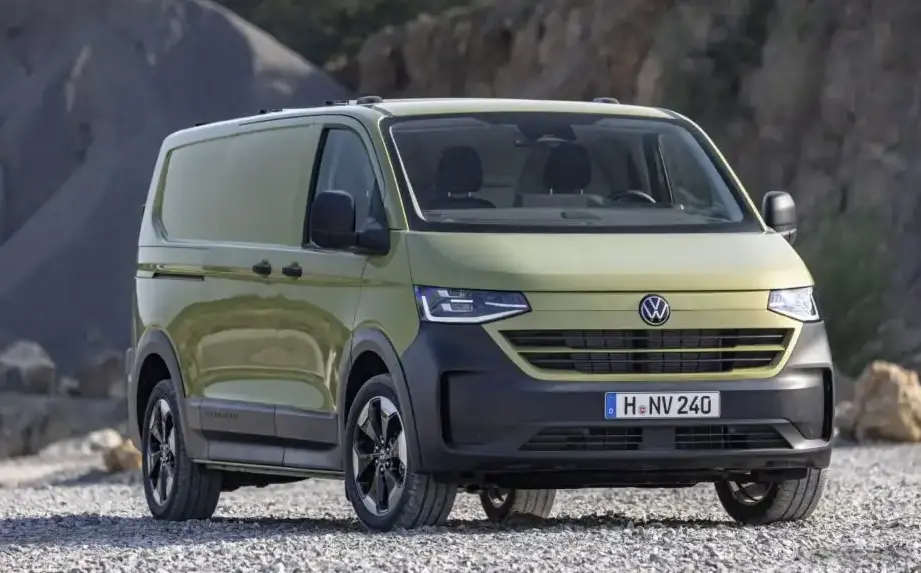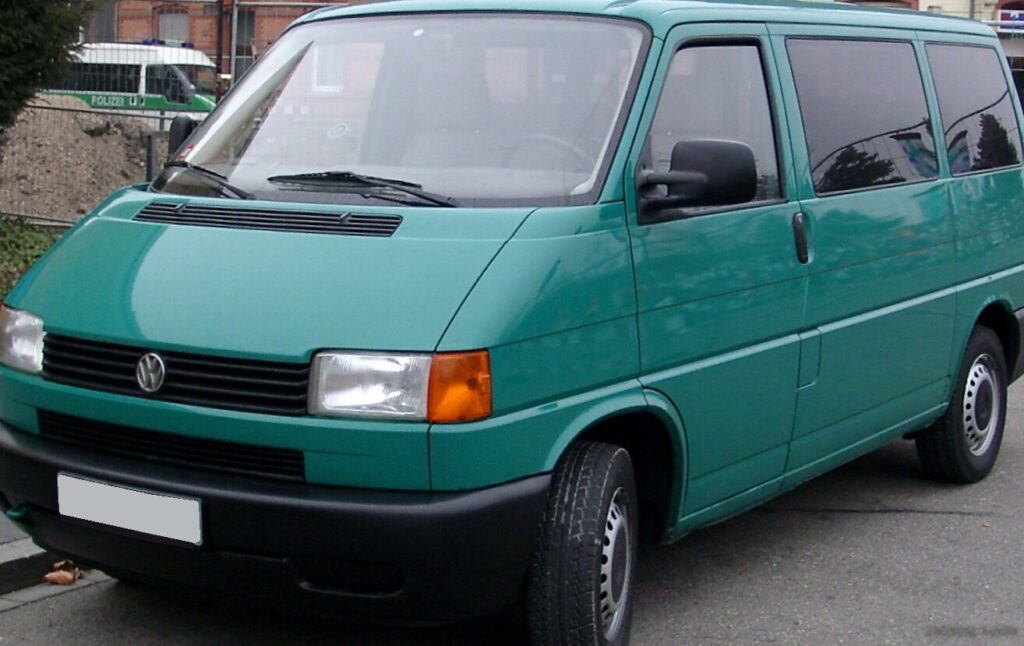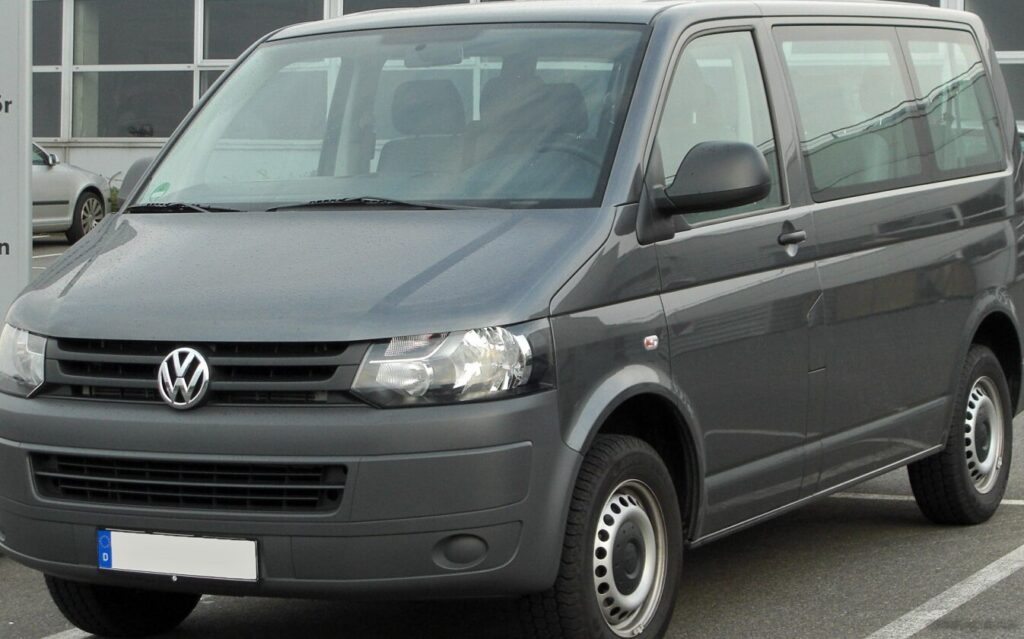
The Volkswagen Transporter (T5) facelift, produced from 2009 to 2015, represented a significant update to the fifth generation of Volkswagen’s popular commercial vehicle. Within the T5 range, the Kombi 2.0 TDI 180 hp (CFCA engine code) L1H1 variant occupied a middle ground, offering a balance between practicality, fuel efficiency, and performance. The “L1H1” designation refers to the vehicle’s body length and roof height – short wheelbase and standard roof – making it a versatile option for both commercial and family use. This model was primarily aimed at businesses and individuals needing a flexible vehicle capable of carrying both passengers and cargo.
The heart of the Kombi 2.0 TDI 180 was the EA189 series 2.0-liter four-cylinder diesel engine, specifically the CFCA variant. This engine utilized common rail direct injection, delivering fuel at extremely high pressure for improved combustion and efficiency. A bi-turbocharger setup, featuring two turbochargers of differing sizes, was employed to minimize turbo lag and provide a broad torque curve. The smaller turbocharger would spool up quickly at lower engine speeds, while the larger turbo took over at higher RPMs for increased power. The engine featured a double overhead camshaft (DOHC) valvetrain with four valves per cylinder, optimizing gas flow. The engine’s 1968 cc displacement produced 180 horsepower at 4000 rpm and a substantial 400 Nm (295 lb-ft) of torque between 1500 and 2000 rpm. The engine also incorporated a diesel particulate filter (DPF) to reduce emissions, meeting Euro 5 standards.
In real-world driving, the 180 hp TDI offered a noticeable step up in performance compared to lower-powered T5 variants. While not a sports van, it provided ample power for fully loaded operation and highway cruising. The six-speed manual transmission, standard on this model, allowed drivers to keep the engine in its optimal torque band. Acceleration from 0 to 100 km/h (0-62 mph) took approximately 10.3 seconds, and the van had a top speed of 191 km/h (118.68 mph). The bi-turbo setup minimized the turbo lag often associated with diesel engines, resulting in a more responsive driving experience. Compared to the naturally aspirated gasoline engines available in earlier T5 models, the 2.0 TDI offered significantly improved fuel economy and torque.
The Kombi trim level typically included features such as air conditioning, power windows, and a basic audio system. Interior upholstery was generally durable cloth, though optional upgrades to leather or partial leather were available. The dashboard layout was functional and straightforward, prioritizing practicality over luxury. Common optional extras included parking sensors, upgraded audio systems with navigation, and various comfort features. Seating configurations varied, accommodating between 4 and 9 passengers depending on the specific layout chosen. The L1H1 body style provided a generous cargo area behind the rear seats, making it suitable for carrying goods or equipment.
The T5 Kombi 2.0 TDI 180 hp utilized an independent suspension setup on both the front and rear axles. The front suspension employed McPherson struts with coil springs and an anti-roll bar, while the rear featured a trailing arm configuration with coil springs and a transverse stabilizer. This setup provided a reasonable balance between ride comfort and handling. Braking duties were handled by ventilated discs on all four wheels, providing adequate stopping power even when the van was heavily loaded. Anti-lock Braking System (ABS) was standard equipment. The steering system was a hydraulic power-assisted rack and pinion setup, offering precise and responsive steering feel.
Critics generally praised the T5 Kombi 2.0 TDI 180 for its blend of practicality, fuel efficiency, and performance. The engine was considered refined for a diesel, and the bi-turbo setup provided a noticeable improvement in responsiveness. Fuel economy figures were respectable, with combined cycle consumption averaging around 7.6 l/100 km (30.9 US mpg). Reliability was generally good, although, like all modern diesels, the DPF system could be prone to issues if the vehicle was primarily used for short trips. Compared to the higher-output 2.5-liter TDI models, the 2.0 TDI offered a more affordable entry point with comparable everyday usability.
| Engine Model/Code | EA189 / CFCA |
| Engine Displacement | 1968 cm3 (120.09 cu. in.) |
| Number of Cylinders | 4, Inline |
| Cylinder Bore | 81 mm (3.19 in.) |
| Piston Stroke | 95.5 mm (3.76 in.) |
| Compression Ratio | 16.5:1 |
| Fuel Injection System | Diesel Commonrail |
| Engine Aspiration | BiTurbo, Intercooler |
| Power | 180 Hp @ 4000 rpm |
| Torque | 400 Nm @ 1500-2000 rpm (295.02 lb.-ft.) |
| Fuel Consumption (Urban) | 9.6 l/100 km (24.5 US mpg) |
| Fuel Consumption (Extra Urban) | 6.5 l/100 km (36.2 US mpg) |
| Fuel Consumption (Combined) | 7.6 l/100 km (30.9 US mpg) |
| CO2 Emissions | 199 g/km |
| Acceleration 0-100 km/h | 10.3 sec |
| Maximum Speed | 191 km/h (118.68 mph) |
| Kerb Weight | 1901-2135 kg (4190.99 – 4706.87 lbs.) |
| Fuel Tank Capacity | 80 l (21.13 US gal) |
| Number of Gears | 6, Manual |
Today, the T5 Kombi 2.0 TDI 180 hp remains a popular choice in the used vehicle market. Its reputation for reliability, combined with its practicality and fuel efficiency, makes it an attractive option for businesses and families alike. While higher mileage examples may require attention to components like the turbochargers and DPF, well-maintained units continue to provide dependable service. The T5’s enduring popularity is a testament to its versatile design and robust engineering.