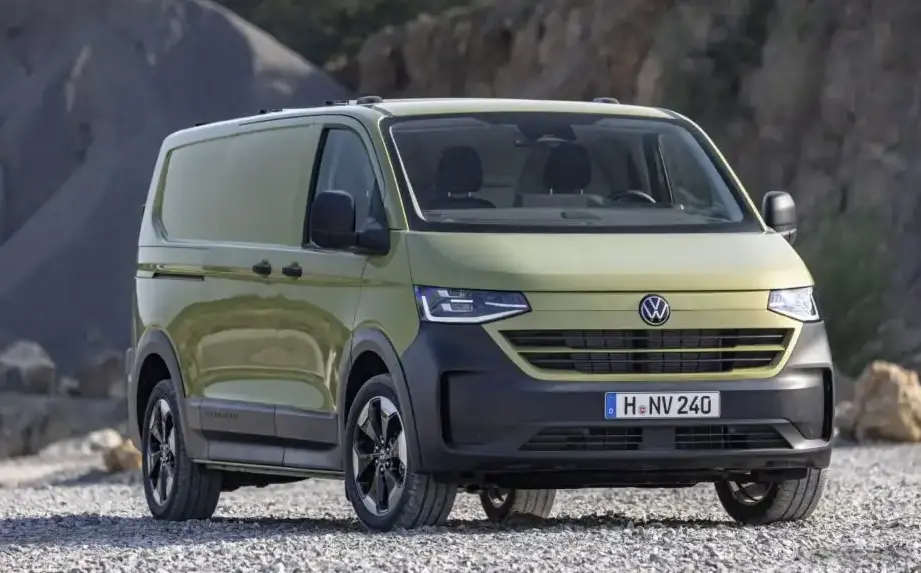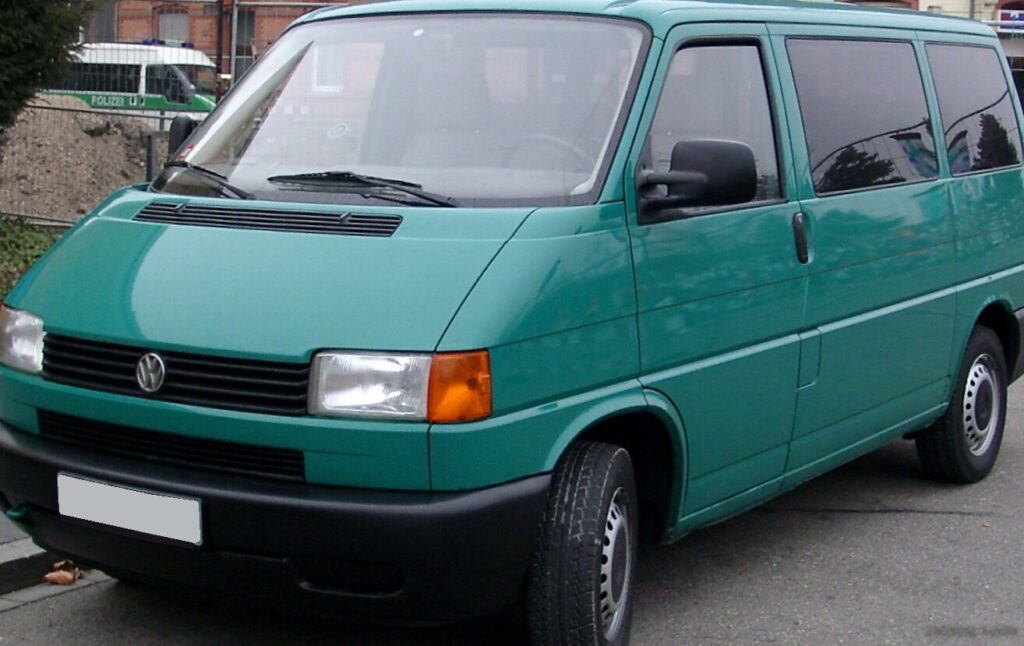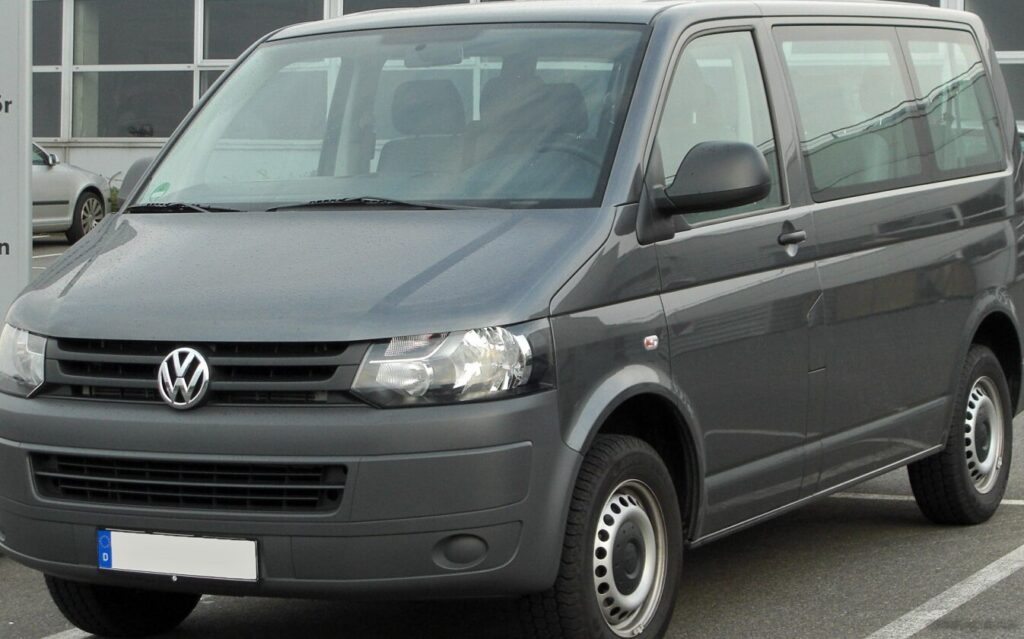
The Volkswagen Transporter (T5) facelift, produced from 2009 to 2015, represented a significant update to the fifth generation of Volkswagen’s popular commercial vehicle. Within the T5 range, the Kombi 2.0 TDI with 180 horsepower and a long wheelbase (L2) and high roof (H2) configuration occupied a versatile position, appealing to both commercial users and families needing substantial space and practicality. This variant offered a balance between performance, fuel efficiency, and carrying capacity, making it a common sight on European roads. The T5 platform, also known internally as 1HX0/A3, was renowned for its robust build quality and adaptability.
The 2.0 TDI (180 Hp) L2H2 Variant: Positioning and Overview
The 2.0 TDI 180 hp Kombi L2H2 was positioned as a mid-to-upper range offering within the T5 facelift lineup. Below it sat the lower-powered TDI variants (typically 102 hp and 140 hp), geared towards budget-conscious buyers and those prioritizing fuel economy over outright performance. Above it were specialized models like the Caravelle or Multivan, which focused on passenger comfort and luxury features. The L2H2 designation indicates a long wheelbase (providing increased cargo space) and a high roof (allowing passengers to stand comfortably inside), making it ideal for conversions into camper vans or for businesses requiring ample load volume. The Kombi trim level specifically denotes a configuration with seating for passengers in addition to a flexible cargo area.
Powertrain & Engine Architecture
The heart of the Transporter Kombi 2.0 TDI 180 was the EA189 series four-cylinder diesel engine, specifically the CFCA engine code. This engine was a common-rail direct injection diesel, utilizing piezo injectors for precise fuel delivery. The 1968 cc displacement was achieved with a bore of 81 mm and a stroke of 95.5 mm, resulting in a compression ratio of 16.5:1. A key feature of this engine was its bi-turbocharger setup. The use of two turbochargers – a smaller, more responsive turbo for low-end torque and a larger turbo for high-end power – minimized turbo lag and provided a broad, usable powerband. The engine also incorporated an intercooler to further enhance performance by cooling the intake air.
The engine produced 180 horsepower (132 kW) at 4000 rpm and a substantial 400 Nm (295 lb-ft) of torque between 1500 and 2000 rpm. This torque output was particularly beneficial for a van of this size, providing strong acceleration even when fully loaded. The engine featured a double overhead camshaft (DOHC) valvetrain with four valves per cylinder. The engine oil capacity was 7 liters (7.4 US quarts), and the cooling system held 11 liters (11.62 US quarts). A diesel particulate filter (DPF) was standard equipment to meet Euro 5 emission standards.
Transmission
The 2.0 TDI 180 hp engine was typically paired with a six-speed manual transmission. While a seven-speed DSG (Direct-Shift Gearbox) dual-clutch automatic transmission was available as an option, the manual was the more common choice, particularly for commercial applications. The manual gearbox provided precise control and contributed to the van’s overall fuel efficiency. The gear ratios were optimized for both hauling loads and comfortable highway cruising.
Driving Characteristics
The 2.0 TDI 180 hp Kombi L2H2 offered a noticeable step up in performance compared to the lower-powered TDI variants. Acceleration from 0-100 km/h (0-62 mph) took approximately 10.4 seconds, and 0-60 mph was achieved in around 9.9 seconds. While not a sports van, the engine provided ample power for overtaking maneuvers and maintaining a comfortable cruising speed on the highway. The bi-turbo setup minimized turbo lag, delivering a responsive driving experience. The long wheelbase and high roof did contribute to some body roll in corners, but the suspension was generally well-tuned for a comfortable ride, even when carrying a load. The manual transmission allowed for precise gear selection, maximizing engine efficiency and control.
Equipment & Trim Levels
The Kombi trim level included features such as air conditioning, power windows, central locking, and an adjustable steering wheel as standard. The interior typically featured durable cloth upholstery. The dashboard layout was functional and straightforward, prioritizing practicality over luxury. Optional extras included features like a touchscreen infotainment system, navigation, parking sensors, cruise control, and upgraded seating configurations. The L2H2 configuration provided a spacious cabin with ample headroom and cargo capacity. The rear seating could be configured in various arrangements, including bench seats, individual seats, or even removed entirely to maximize cargo space.
Chassis & Braking
The T5 Transporter utilized a front-wheel-drive layout, contributing to its relatively low weight and good fuel efficiency. The front suspension consisted of independent McPherson struts with coil springs and an anti-roll bar. The rear suspension employed a semi-independent trailing arm setup with coil springs and a transverse stabilizer. This configuration provided a good balance between ride comfort and handling. The braking system featured ventilated discs on all four wheels, with diameters of 340×32.5 mm at the front and 294×22 mm at the rear. Anti-lock Braking System (ABS) was standard. The steering system was a hydraulic power-assisted rack and pinion setup, providing precise and responsive steering feel.
Market Reception & Comparison
The Volkswagen Transporter T5 facelift, particularly the 2.0 TDI 180 hp variant, received generally positive reviews from automotive critics. It was praised for its robust build quality, versatile interior, and efficient engine. The 180 hp engine was considered a good compromise between performance and fuel economy, making it suitable for a wide range of applications. Compared to the lower-powered TDI variants, the 180 hp model offered a noticeable improvement in acceleration and overall driving experience. Fuel economy was rated at approximately 7.6 l/100 km (30.9 US mpg) combined, which was competitive for a van of its size. Reliability was generally good, although some owners reported issues with the DPF system, a common problem with modern diesel engines.
Technical Specifications
| Brand | Volkswagen |
| Model | Transporter |
| Generation | Transporter (T5, facelift 2009) Kombi |
| Type | 2.0 TDI (180 Hp) L2H2 |
| Engine Displacement | 1968 cm3 (120.09 cu. in.) |
| Engine Code | CFCA |
| Number of Cylinders | 4, Inline |
| Power | 180 Hp @ 4000 rpm |
| Torque | 400 Nm @ 1500-2000 rpm (295.02 lb.-ft.) |
| Fuel Consumption (Urban) | 9.6 l/100 km (24.5 US mpg) |
| Fuel Consumption (Extra Urban) | 6.5 l/100 km (36.2 US mpg) |
| Fuel Consumption (Combined) | 7.6 l/100 km (30.9 US mpg) |
| CO2 Emissions | 199 g/km |
| Acceleration 0-100 km/h | 10.4 sec |
| Maximum Speed | 184 km/h (114.33 mph) |
| Kerb Weight | 1901-2262 kg (4190.99 – 4986.86 lbs.) |
| Max. Weight | 2800-3200 kg (6172.94 – 7054.79 lbs.) |
| Fuel Tank Capacity | 80 l (21.13 US gal) |
Legacy
The Volkswagen Transporter T5 facelift 2.0 TDI 180 hp L2H2 remains a popular choice in the used vehicle market. Its reputation for reliability, versatility, and practicality has ensured continued demand. While older examples may require maintenance on components like the DPF and turbocharger, the engine itself is generally considered robust. The T5 platform’s adaptability has also made it a favorite among camper van converters, with numerous aftermarket modifications and upgrades available. The 2.0 TDI 180 hp engine provides a good balance of performance and fuel efficiency, making it a viable option for both commercial and personal use even today.