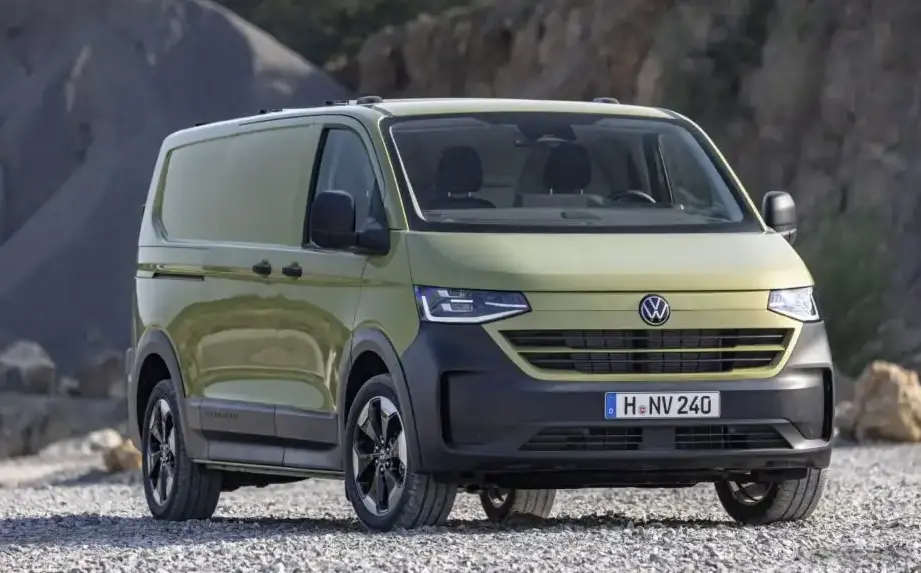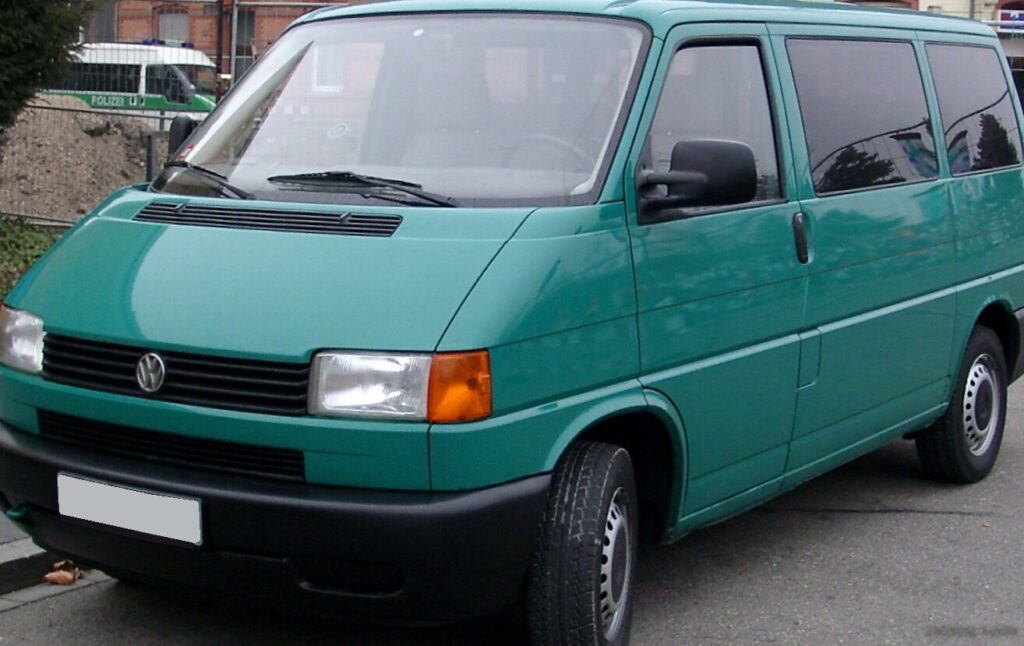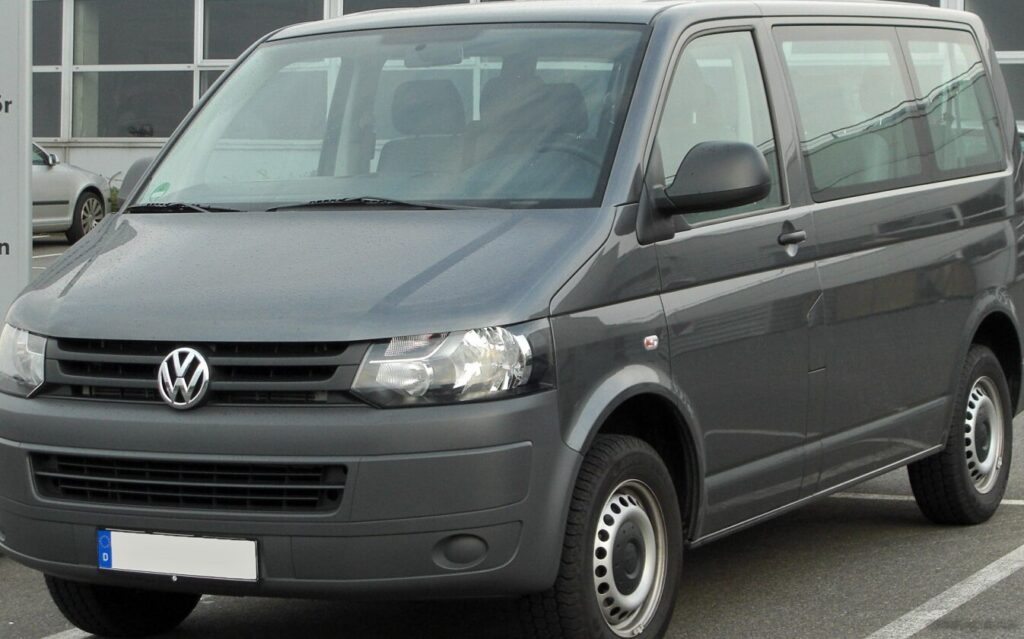
The Volkswagen Transporter (T5) facelift, produced from 2009 to 2015, represented a significant refresh of the fifth-generation Transporter line. Within this generation, the Kombi variant offered a versatile blend of commercial practicality and passenger comfort. The 2.0 TDI (180 hp) L2H3 configuration was a popular choice, positioned as a mid-to-upper range option offering a balance between performance, fuel efficiency, and carrying capacity. The “L2H3” designation refers to the vehicle’s body length (L2 – long wheelbase) and roof height (H3 – high roof), maximizing interior space. This variant served as a workhorse for businesses needing a spacious van, as well as families requiring a large, adaptable vehicle for leisure activities.
Powertrain & Engine Architecture
The heart of the Transporter Kombi 2.0 TDI (180 hp) L2H3 is the EA189 series 2.0-liter four-cylinder diesel engine, specifically the CFCA engine code. This engine is a turbocharged diesel, but notably features a bi-turbo setup – employing two turbochargers in sequence. This configuration was implemented to mitigate turbo lag and provide a broader, more usable powerband. The first, smaller turbocharger operates at lower engine speeds, providing immediate response. As engine speed increases, the second, larger turbocharger takes over, delivering increased power and torque.
Fuel is delivered via a common rail direct injection system, operating at extremely high pressures to atomize the fuel for efficient combustion. The engine utilizes a double overhead camshaft (DOHC) valvetrain with four valves per cylinder, optimizing gas flow and contributing to its power output. The engine displaces 1968 cm³ (120.09 cubic inches) and produces 180 horsepower at 4000 rpm and 400 Nm (295.02 lb-ft) of torque between 1500 and 2000 rpm. The engine also incorporates an exhaust gas recirculation (EGR) system and a diesel particulate filter (DPF) to meet Euro 5 emission standards.
The 2.0 TDI engine was typically paired with a six-speed manual transmission. While an automatic transmission (specifically a 7-speed DSG dual-clutch transmission) was available as an option, the manual was more common in this configuration, particularly in commercial applications. The manual transmission’s gear ratios were optimized for both fuel economy and load-carrying capability.
Engine Specifications (CFCA)
- Displacement: 1968 cm³ (120.09 cu. in.)
- Configuration: Inline-4, Turbocharged Diesel (Bi-Turbo)
- Power: 180 hp @ 4000 rpm
- Torque: 400 Nm (295.02 lb-ft) @ 1500-2000 rpm
- Fuel Injection: Common Rail Direct Injection
- Valvetrain: DOHC, 4 valves per cylinder
Driving Characteristics
The 180 hp 2.0 TDI engine provided a noticeable step up in performance compared to the lower-powered diesel options available in the T5 Transporter range. While not a sports van, it offered ample power for fully loaded operation, even when climbing hills or carrying heavy payloads. The bi-turbo setup significantly reduced turbo lag, providing a more responsive driving experience than single-turbo engines. Acceleration from 0-100 km/h (0-62 mph) took approximately 10.7 seconds, which was competitive for a van of this size and weight.
The six-speed manual transmission allowed drivers to keep the engine in its optimal powerband, maximizing efficiency and performance. The gear ratios were well-chosen, providing good acceleration in lower gears and comfortable cruising at highway speeds. Compared to the 140 hp TDI variant, the 180 hp version felt considerably more relaxed when fully loaded, requiring less frequent gear changes. The higher output engine also offered a more confident experience when overtaking on the highway. However, it didn’t offer the same level of refinement or outright speed as the more expensive petrol (gasoline) options, such as the 2.0-liter TSI.
Equipment & Trim Levels
The Kombi trim level of the T5 Transporter aimed to bridge the gap between commercial practicality and passenger comfort. Standard equipment typically included air conditioning, power windows, power steering, an adjustable steering wheel, and a basic audio system. The interior featured durable cloth upholstery and a functional dashboard layout. The L2H3 body style provided a generous cargo area behind the rear seats, making it suitable for carrying large items or equipment.
Optional extras were plentiful, allowing buyers to customize their Transporter to their specific needs. These included features such as upgraded audio systems with Bluetooth connectivity, navigation systems, parking sensors, alloy wheels, and various interior trim upgrades. Some models also featured a second sliding side door for improved access. The Kombi could be configured with seating for up to nine passengers, depending on the chosen layout.
Chassis & Braking
The T5 Transporter utilized a robust chassis designed to handle the demands of commercial use. The front suspension consisted of independent McPherson struts with coil springs and an anti-roll bar, providing a comfortable ride and good handling. The rear suspension employed a semi-independent trailing arm setup with coil springs and a transverse stabilizer bar. This configuration offered a good balance between ride comfort and load-carrying capacity.
Braking duties were handled by ventilated disc brakes on all four wheels. The braking system was equipped with ABS (Anti-lock Braking System) as standard, enhancing safety and control during emergency braking situations. The size of the front discs was 340×32.5 mm, while the rear discs measured 294×22 mm. The hydraulic power steering provided light and precise steering feel.
Market Reception & Comparison
The 2.0 TDI (180 hp) L2H3 Kombi was generally well-received by critics and buyers alike. It was praised for its strong performance, good fuel economy, and versatile interior space. Fuel consumption figures averaged around 7.9 l/100 km (29.8 US mpg), making it an economical choice for businesses and families. Compared to the lower-powered 140 hp TDI variant, the 180 hp version offered a significant improvement in drivability, particularly when carrying heavy loads.
However, some critics noted that the engine could be somewhat noisy under heavy acceleration. The 2.0 TSI petrol engine offered a smoother and more refined driving experience, but at the cost of increased fuel consumption. The 180 hp TDI also represented a price premium over the lower-powered diesel options. Overall, the 2.0 TDI (180 hp) L2H3 Kombi struck a good balance between performance, economy, and practicality, making it a popular choice in the commercial vehicle market.
Technical Specifications
| Brand | Volkswagen |
| Model | Transporter |
| Generation | Transporter (T5, facelift 2009) Kombi |
| Type | 2.0 TDI (180 Hp) L2H3 |
| Start of production | 2009 |
| End of production | 2015 |
| Fuel consumption (urban) | 9.6 l/100 km (24.5 US mpg) |
| Fuel consumption (extra urban) | 6.9 l/100 km (34.1 US mpg) |
| Fuel consumption (combined) | 7.9 l/100 km (29.8 US mpg) |
| CO2 emissions | 208 g/km |
| Fuel Type | Diesel |
| Acceleration 0-100 km/h | 10.7 sec |
| Acceleration 0-62 mph | 10.7 sec |
| Maximum speed | 176 km/h (109.36 mph) |
| Engine Model/Code | EA189 / CFCA |
| Engine displacement | 1968 cm3 (120.09 cu. in.) |
| Number of cylinders | 4 |
| Engine configuration | Inline |
| Compression ratio | 16.5:1 |
| Engine oil capacity | 7 l (7.4 US qt | 6.16 UK qt) |
| Kerb Weight | 1901-2262 kg (4190.99 – 4986.86 lbs.) |
| Max. weight | 2800-3200 kg (6172.94 – 7054.79 lbs.) |
| Fuel tank capacity | 80 l (21.13 US gal | 17.6 UK gal) |
| Length | 5292 mm (208.35 in.) |
| Width | 1904 mm (74.96 in.) |
| Height | 2476 mm (97.48 in.) |
| Wheelbase | 3400 mm (133.86 in.) |
Legacy
The 2.0 TDI engine, particularly the EA189 series, has a somewhat mixed reputation for long-term reliability. While generally durable, these engines were affected by issues related to the DPF and EGR systems, particularly if not properly maintained. The bi-turbo setup, while offering improved performance, added complexity and potential failure points. However, with regular servicing and preventative maintenance, these engines can provide many years of reliable service.
In the used car market, the T5 Transporter Kombi 2.0 TDI (180 hp) L2H3 remains a popular choice due to its versatility and practicality. Well-maintained examples command reasonable prices, and the availability of spare parts is good. Potential buyers should be aware of the potential issues with the DPF and EGR systems and ensure that these components have been properly serviced or replaced if necessary. The 180 hp version is generally considered a desirable specification, offering a good balance between performance and economy.