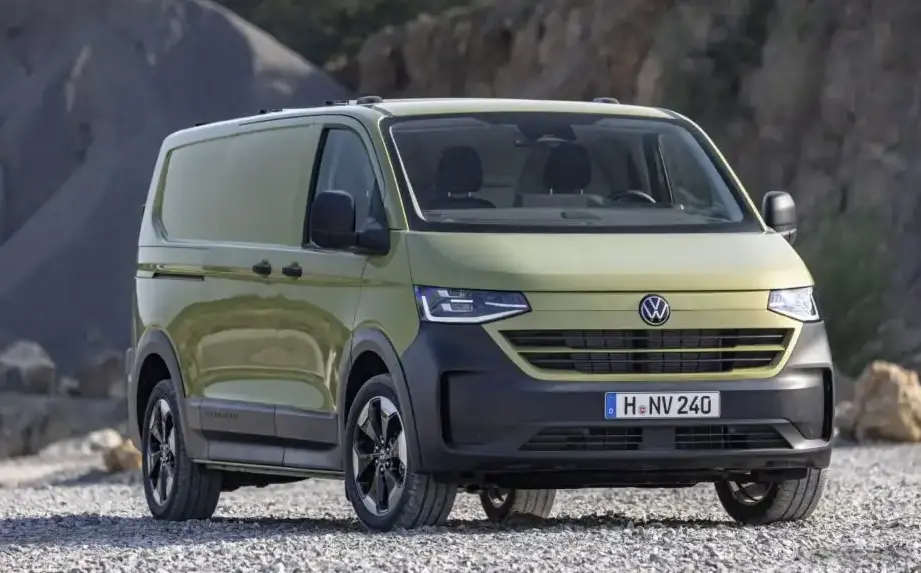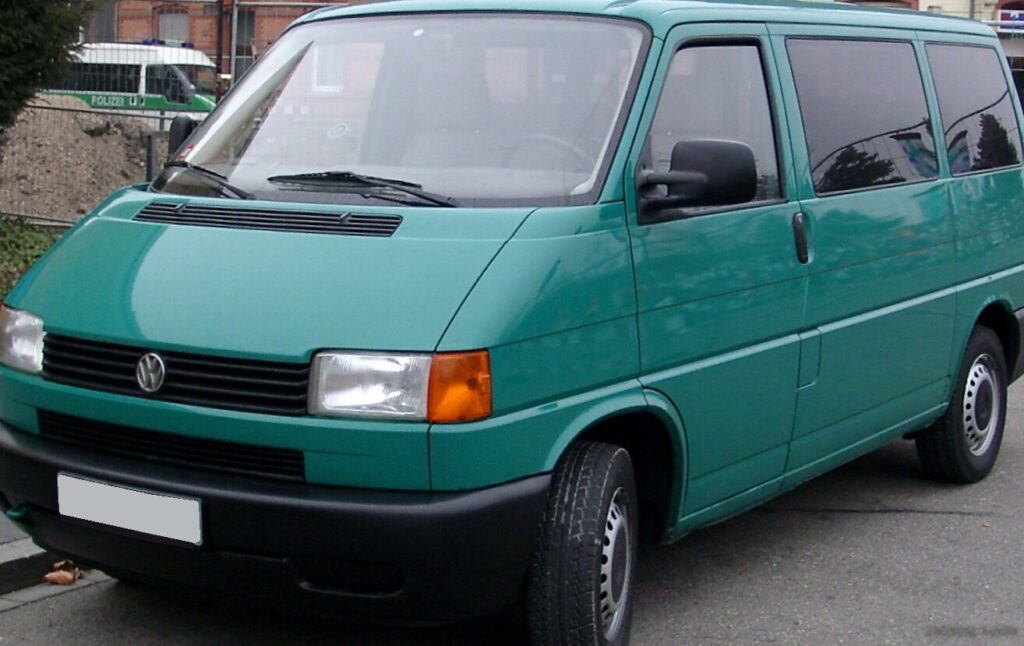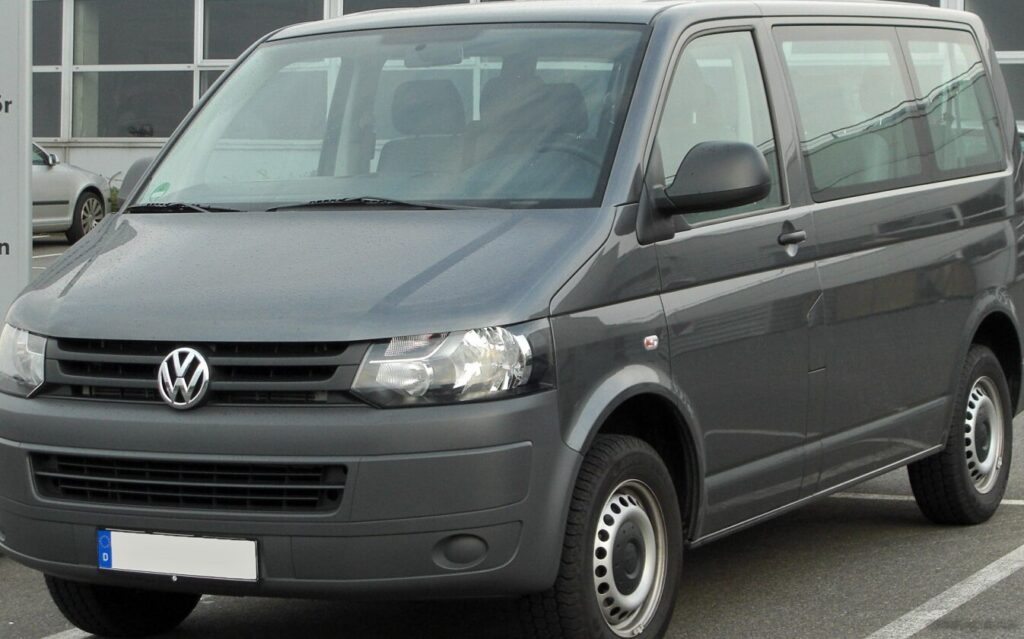
The Volkswagen Transporter (T5) facelift, produced from 2009 to 2015, represented a significant update to the fifth generation of Volkswagen’s popular commercial vehicle. Within the T5 range, the Kombi 2.0 TDI BMT (114 hp) L2H2 variant, introduced in 2011, occupied a position as a practical and economical choice for both commercial and family use. This configuration, characterized by its 2.0-liter turbocharged diesel engine and a manual transmission, offered a balance between fuel efficiency, load capacity, and affordability. The “L2H2” designation refers to the vehicle’s body length (long wheelbase) and roof height (high roof), maximizing interior space. This model was aimed at buyers needing a versatile vehicle capable of carrying passengers and cargo, often serving as a family vehicle, shuttle, or small business transport.
The 2.0 TDI BMT Powertrain & Engine Architecture
The heart of the Transporter Kombi 2.0 TDI BMT (114 hp) L2H2 is the EA189 series 2.0-liter inline four-cylinder diesel engine, specifically the CAAD engine code. This engine is a turbocharged common rail direct injection diesel. The “BMT” designation stands for “BlueMotion Technology,” indicating the inclusion of fuel-saving technologies. The engine utilizes a single turbocharger with an intercooler to boost power and efficiency. Fuel is delivered via a Bosch common rail system operating at high pressure, enabling precise fuel metering and optimized combustion. The engine features a double overhead camshaft (DOHC) valvetrain with four valves per cylinder, contributing to improved breathing and power output.
The 2.0 TDI engine produces 114 horsepower at 3500 rpm and 250 Nm (184.39 lb-ft) of torque between 1500 and 2750 rpm. This torque curve provides good low-end grunt, making it suitable for carrying loads and navigating varied terrain. The engine’s displacement is 1968 cm³ (120.09 cubic inches) with a compression ratio of 16.5:1. The engine also incorporates a diesel particulate filter (DPF) and, in some markets, a start-stop system to further reduce emissions and improve fuel economy. The engine oil capacity is 7 liters (7.4 US quarts / 6.16 UK quarts) and requires a specification adhering to Volkswagen standards.
Transmission and Drivetrain
The Kombi 2.0 TDI BMT L2H2 is equipped with a five-speed manual transmission. This transmission is a standard configuration for the T5 range, providing a direct and engaging driving experience. Power is delivered to the front wheels, making it a front-wheel-drive vehicle. The drivetrain architecture is a conventional layout, prioritizing simplicity and reliability. The front suspension utilizes an independent McPherson strut setup with coil springs and an anti-roll bar, while the rear suspension employs an independent coil spring setup with a transverse stabilizer and trailing arms. This suspension configuration aims to balance ride comfort with handling stability, particularly when carrying loads.
Driving Characteristics
The 114 hp 2.0 TDI BMT engine in the Transporter Kombi L2H2 delivers adequate performance for everyday driving and moderate loads. Acceleration from 0 to 100 km/h (0-62 mph) takes approximately 16 seconds, and 0 to 60 mph is achieved in around 15.2 seconds. The top speed is 158 km/h (98.18 mph). While not a performance-oriented variant, the engine’s strong low-end torque makes it feel responsive in typical driving situations. The five-speed manual transmission allows drivers to effectively manage the engine’s power band, selecting the appropriate gear for optimal performance and fuel economy. Compared to the more powerful 140 hp or 180 hp TDI versions, the 114 hp model offers a more economical driving experience, but at the expense of outright speed and acceleration. The manual transmission provides more driver control than the optional automatic transmission available on other T5 models.
Equipment & Trim Levels
The Transporter Kombi 2.0 TDI BMT L2H2 typically came with a reasonable level of standard equipment, focusing on practicality and functionality. Standard features generally included power windows, central locking, an adjustable steering wheel, and a basic audio system. The interior upholstery was typically cloth, with durable and easy-to-clean materials. The dashboard layout was functional and straightforward, prioritizing ergonomics and ease of use. The Kombi configuration offered flexible seating arrangements, with options for multiple rows of seats to accommodate up to nine passengers. Optional extras included air conditioning, upgraded audio systems, parking sensors, alloy wheels, and various interior trim upgrades. The L2H2 body style provided a generous cargo area, making it suitable for carrying large items or converting into a camper van.
Chassis & Braking
The chassis of the Transporter Kombi 2.0 TDI BMT L2H2 is a robust ladder-frame construction, providing a solid foundation for carrying loads. The front brakes are ventilated discs measuring 308×29.5 mm, while the rear brakes are also ventilated discs measuring 294×22 mm. The braking system is assisted by ABS (Anti-lock Braking System) to enhance safety and control during emergency braking. The steering system is a hydraulic power steering rack and pinion, providing precise and responsive steering feel. The vehicle rides on 215/65 R16 tires mounted on 6.5J x 16 inch wheel rims. The curb weight of the vehicle is approximately 1901 kg (4190.99 lbs), with a maximum permissible weight ranging from 2800 to 3200 kg (6172.94 – 7054.79 lbs), depending on the specific configuration.
Market Reception & Comparison
The Volkswagen Transporter Kombi 2.0 TDI BMT L2H2 was generally well-received by critics and buyers alike. It was praised for its fuel efficiency, practicality, and versatility. Fuel economy figures averaged around 6.8 l/100 km (34.6 US mpg / 41.5 UK mpg), making it an economical choice for businesses and families. Compared to the higher-output TDI variants, the 114 hp model offered a lower purchase price and reduced running costs, but with a trade-off in performance. Reliability was generally good, although, like all diesel engines, the DPF could require maintenance or replacement over time. The 2.0 TDI BMT engine was considered a reliable and durable unit, capable of covering high mileages with proper maintenance.
Technical Specifications
| Brand | Volkswagen |
| Model | Transporter |
| Generation | Transporter (T5, facelift 2009) Kombi |
| Type | 2.0 TDI BMT (114 Hp) L2H2 |
| Start of production | 2011 |
| End of production | 2015 |
| Engine | 2.0-liter Inline-4 Diesel |
| Engine Code | CAAD |
| Power | 114 hp @ 3500 rpm |
| Torque | 250 Nm (184.39 lb-ft) @ 1500-2750 rpm |
| Fuel Consumption (Combined) | 6.8 l/100 km (34.6 US mpg / 41.5 UK mpg) |
| CO2 Emissions | 179 g/km |
| Transmission | 5-speed Manual |
| Drivetrain | Front-Wheel Drive |
| Curb Weight | 1901 kg (4190.99 lbs) |
| Max. Weight | 2800-3200 kg (6172.94 – 7054.79 lbs) |
| Fuel Tank Capacity | 80 l (21.13 US gal / 17.6 UK gal) |
| Dimensions (L x W x H) | 5292 x 1904 x 2176 mm (208.35 x 74.96 x 85.67 in) |
Legacy
The Volkswagen Transporter T5 2.0 TDI BMT (114 hp) L2H2 remains a popular choice in the used vehicle market. Its reputation for reliability, fuel efficiency, and practicality continues to attract buyers. While older examples may require maintenance on components such as the DPF and turbocharger, the engine itself is generally considered durable. The T5 platform is well-supported with aftermarket parts and service options, making it relatively easy to maintain. The Kombi configuration’s versatility and spacious interior make it a desirable option for families, tradespeople, and those seeking a multi-purpose vehicle. The 2.0 TDI BMT engine, while not the most powerful in the T5 range, provides a good balance of performance and economy, making it a sensible choice for those prioritizing practicality and affordability.