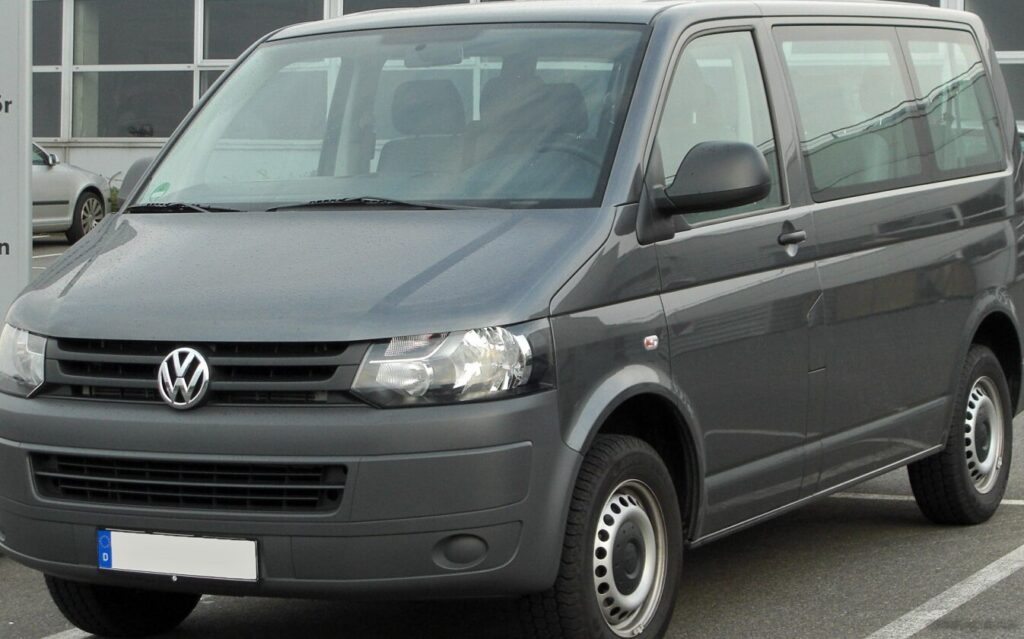
The Volkswagen Transporter (T5) facelift, produced from 2009 to 2015, represented a significant update to the fifth generation of Volkswagen’s popular commercial vehicle. Within the T5 range, the Kombi variant offered a blend of cargo capacity and passenger comfort, catering to both commercial and family needs. The 2.0 TDI BMT (BlueMotion Technology) with 140 horsepower and a six-speed manual transmission, coupled with 4MOTION all-wheel drive and the L1H2 body configuration (short wheelbase, medium roof height), was a common configuration produced from 2012-2015. This specific version occupied a middle ground in the T5 lineup, offering a balance between affordability, fuel efficiency, and capability, appealing to a broad spectrum of buyers.
The 2.0 TDI BMT 140 Hp 4MOTION: A Detailed Overview
The 2.0 TDI BMT 140 Hp 4MOTION Kombi L1H2 was designed to provide a practical and versatile solution for businesses and families alike. The “BMT” designation signifies the inclusion of Volkswagen’s BlueMotion Technology package, focused on improving fuel economy and reducing emissions. The L1H2 configuration provided a useful cargo area while maintaining a manageable overall vehicle size. The 4MOTION all-wheel-drive system added enhanced traction and stability, making it suitable for diverse driving conditions and heavier loads. This variant was positioned as a step up from the base-model Transporters, offering increased power and the added security of all-wheel drive, but remained more accessible than the higher-performance or more luxuriously equipped models.
Powertrain & Engine Architecture
At the heart of this Transporter variant lies the EA189 series 2.0-liter four-cylinder diesel engine, specifically the CAAC engine code. This engine is a turbocharged common rail direct injection diesel. The engine utilizes a single overhead camshaft (SOHC) design operating four valves per cylinder (DOHC). The turbocharger, coupled with an intercooler, provides increased air intake, boosting power and torque. The common rail direct injection system, operating at a maximum pressure of 1600 bar, ensures precise fuel delivery and efficient combustion. The BMT package incorporates features like a stop-start system and optimized engine mapping to minimize fuel consumption. The six-speed manual transmission was the standard offering for this engine, providing a good balance between fuel efficiency and driver control. Gear ratios were tuned for both everyday driving and load-carrying capability.
Driving Characteristics
The 2.0 TDI BMT 140 Hp 4MOTION Kombi delivered a respectable, if not exhilarating, driving experience. With 140 horsepower at 3500 rpm and 340 Nm (250.77 lb-ft) of torque available from 1750-2500 rpm, the engine provided adequate power for most driving situations. Acceleration from 0-100 km/h (0-62 mph) took approximately 13.7 seconds, and the top speed was limited to 164 km/h (101.9 mph). Compared to the more powerful 180 hp TDI variants, this engine offered less outright performance, but the broader torque band made it feel responsive in everyday driving. The 4MOTION system provided excellent traction, particularly on slippery surfaces, and enhanced stability when carrying heavy loads. The manual transmission allowed for precise gear selection and driver engagement, although it required more effort than an automatic transmission. The overall driving experience was characterized by practicality and dependability rather than sporty performance.
Equipment & Trim Levels
The Kombi trim level, even in the 2.0 TDI BMT 140 Hp 4MOTION configuration, offered a reasonable level of standard equipment. Typically, these vans included features such as power windows, central locking, an adjustable steering wheel, and a basic audio system. The interior upholstery was generally durable cloth, designed to withstand the rigors of commercial use. The dashboard layout was functional and straightforward, prioritizing practicality over aesthetics. Optional extras included air conditioning, upgraded audio systems, parking sensors, alloy wheels, and various interior trim upgrades. Higher trim levels, such as Comfortline or Highline, added more luxurious features, including climate control, upgraded seating, and more sophisticated infotainment systems. The L1H2 body style provided a generous cargo area, typically around 6700 liters (236.61 cu. ft.) with the rear seats folded or removed.
Chassis & Braking
The T5 Transporter utilized a robust chassis designed to handle both cargo and passenger loads. The front suspension featured an independent McPherson strut setup with coil springs and an anti-roll bar, providing a comfortable ride and good handling. The rear suspension employed an independent coil spring setup with a transverse stabilizer and trailing arms. This configuration offered a good balance between ride comfort and load-carrying capacity. The braking system consisted of ventilated discs on all four wheels, providing ample stopping power. The diameter of the front discs was 308×29.5 mm, while the rear discs measured 294×22 mm. Anti-lock braking system (ABS) was standard, enhancing safety and control during emergency braking. The 4MOTION system added to the vehicle’s stability, distributing power to all four wheels as needed to maintain traction.
Market Reception & Comparison
The 2.0 TDI BMT 140 Hp 4MOTION Kombi was generally well-received by critics and buyers alike. It was praised for its fuel efficiency, practicality, and all-weather capability. Fuel economy figures averaged around 7.6 l/100 km (30.9 US mpg) combined, making it an economical choice for businesses and individuals who covered significant mileage. Compared to the more powerful TDI variants, this engine offered lower running costs, but at the expense of some performance. The 4MOTION system was a significant selling point, particularly in regions with harsh winters or challenging road conditions. Reliability was generally good, although some owners reported issues with the diesel particulate filter (DPF) and turbocharger. Compared to competitors such as the Mercedes-Benz Vito and Ford Transit, the Transporter offered a compelling combination of features, reliability, and value.
Technical Specifications
| Brand | Volkswagen |
| Model | Transporter (T5, facelift 2009) Kombi |
| Type | 2.0 TDI BMT (140 Hp) 4MOTION L1H2 |
| Start of production | 2012 |
| End of production | 2015 |
| Engine | 2.0-liter Inline-4 Diesel (CAAC) |
| Power | 140 Hp @ 3500 rpm |
| Torque | 340 Nm @ 1750-2500 rpm (250.77 lb-ft) |
| Fuel Consumption (Urban) | 9.6 l/100 km (24.5 US mpg) |
| Fuel Consumption (Extra Urban) | 6.5 l/100 km (36.2 US mpg) |
| Fuel Consumption (Combined) | 7.6 l/100 km (30.9 US mpg) |
| CO2 Emissions | 199 g/km |
| Transmission | 6-speed Manual |
| Drive | All-Wheel Drive (4MOTION) |
| Kerb Weight | 1910 kg (4210.83 lbs) |
| Max. Weight | 2800-3200 kg (6172.94 – 7054.79 lbs) |
| Fuel Tank Capacity | 80 l (21.13 US gal) |
| Length | 4892 mm (192.6 in) |
| Width | 1904 mm (74.96 in) |
| Height | 2176 mm (85.67 in) |
Legacy
The 2.0 TDI BMT 140 Hp 4MOTION powertrain, while not without its potential issues (particularly concerning the DPF), has proven to be relatively durable and reliable over the long term. Many examples are still in service today, testament to the robust engineering of the engine and drivetrain. On the used car market, these Transporters are sought after for their practicality, fuel efficiency, and all-weather capability. However, potential buyers should be aware of the potential for DPF issues and ensure that the vehicle has been properly maintained. The T5 Transporter, in all its variants, remains a popular choice for businesses and individuals who require a versatile and dependable commercial vehicle. The 2.0 TDI BMT 140 Hp 4MOTION Kombi L1H2 represents a sweet spot in the range, offering a good balance between cost, performance, and capability.