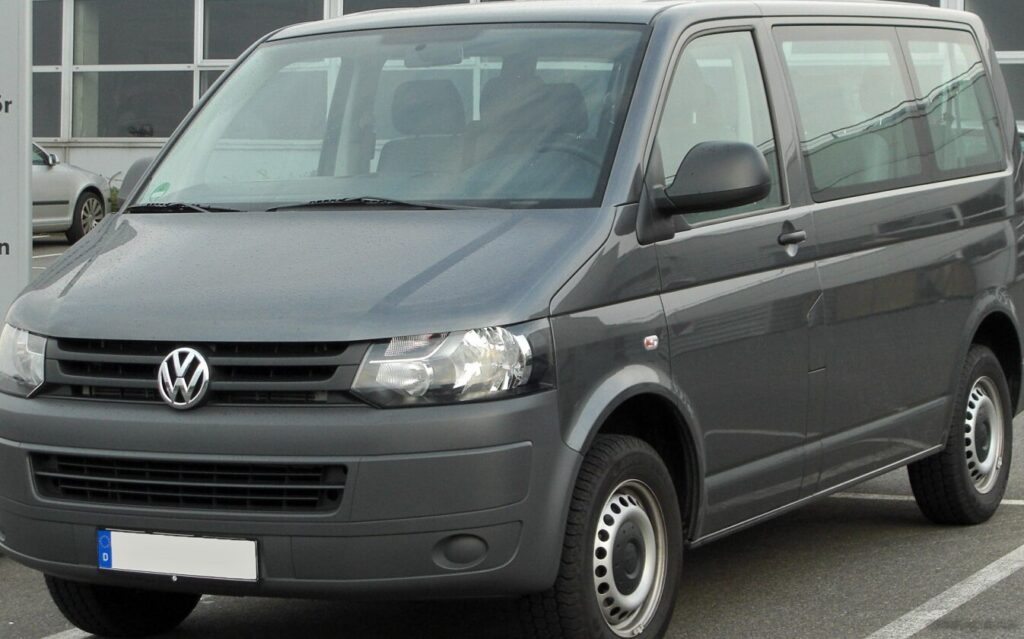
The Volkswagen Transporter (T5) facelift, produced from 2009 to 2015, represented a significant update to the fifth generation of Volkswagen’s popular commercial vehicle. Within this generation, the Kombi variant offered a blend of cargo capacity and passenger comfort, catering to both commercial and family needs. The 2.0 TDI BMT (BlueMotion Technology) with 140 horsepower and a 7-speed Direct-Shift Gearbox (DSG), produced from 2012-2015, was a common configuration, positioned as a mid-range option offering a balance between fuel efficiency, performance, and cost. The “L1H2” designation refers to the vehicle’s wheelbase and roof height – a standard length wheelbase and a medium-height roof – making it a versatile choice for a wide range of applications.
Powertrain & Engine Architecture
The heart of the Transporter Kombi 2.0 TDI BMT is the EA189 series 2.0-liter four-cylinder diesel engine, specifically the CAAC engine code. This engine is a turbocharged common rail direct injection diesel. The EA189 family, while widely used, became known for potential issues with the diesel particulate filter (DPF) and, in some earlier iterations, oil consumption. The BMT designation indicates the inclusion of BlueMotion Technology, a suite of fuel-saving measures including optimized engine mapping, reduced rolling resistance tires, and aerodynamic enhancements.
The engine produces 140 horsepower (hp) at 3500 rpm and 340 Newton-meters (Nm) of torque between 1750 and 2500 rpm (equivalent to approximately 250.77 lb-ft). The turbocharger, coupled with an intercooler, provides increased air density for improved combustion. The engine features a double overhead camshaft (DOHC) valvetrain with four valves per cylinder, optimizing gas flow for enhanced performance. Fuel is delivered via a common rail diesel injection system, allowing for precise fuel metering and improved combustion efficiency. The engine has a compression ratio of 16.5:1.
The 7-speed DSG transmission is a dual-clutch automated manual transmission. It offers quicker and smoother gear changes compared to a traditional automatic transmission, contributing to improved fuel economy and driving dynamics. The DSG utilizes two separate clutches – one for odd-numbered gears and one for even-numbered gears – allowing for pre-selection of the next gear, resulting in seamless shifts. The transmission is electronically controlled, adapting shift points based on driving conditions and driver input.
Fuel Injection and Emissions
The 2.0 TDI BMT utilizes a common rail diesel injection system operating at very high pressures. This allows for extremely fine atomization of the fuel, leading to more complete combustion and reduced emissions. The engine meets Euro 5 emission standards, incorporating a diesel particulate filter (DPF) to trap soot particles and reduce particulate matter emissions. The inclusion of a DPF, however, requires the use of low-sulfur diesel fuel and can be prone to clogging under certain driving conditions, such as frequent short trips.
Driving Characteristics
The 140 hp 2.0 TDI BMT with DSG offers a reasonable balance of performance and fuel economy. Acceleration from 0 to 100 km/h (0-62 mph) takes approximately 13.1 seconds, and top speed is limited to 166 km/h (103.15 mph). While not a particularly sporty configuration, it provides sufficient power for everyday driving and carrying moderate loads. The DSG transmission contributes to a more responsive driving experience compared to a traditional automatic, with quick and smooth gear changes.
Compared to the higher-output 180 hp TDI variants, the 140 hp engine feels noticeably less powerful, particularly when fully loaded or climbing hills. The 140 hp version is also less stressed than the higher-output engines, potentially leading to improved long-term reliability. The manual transmission versions of the 2.0 TDI offered a more engaging driving experience and slightly improved fuel economy, but at the cost of convenience. The gear ratios in the 7-speed DSG are well-chosen, providing good acceleration in lower gears and comfortable cruising at highway speeds. The BMT features prioritize fuel efficiency, resulting in a slightly less responsive throttle feel compared to non-BMT versions.
Equipment & Trim Levels
The Transporter Kombi 2.0 TDI BMT L1H2 typically came equipped with a reasonable level of standard features. These included power windows, central locking, an adjustable steering wheel, and a basic audio system. The Kombi configuration offered flexible seating arrangements, with options for multiple rows of seats to accommodate up to nine passengers. Interior upholstery was typically cloth, with optional upgrades to leather or partial leather available.
Optional extras included air conditioning, parking sensors, a navigation system, alloy wheels, and upgraded audio systems. Higher trim levels, such as the Highline, added more luxurious features, including climate control, upgraded interior trim, and additional safety equipment. The L1H2 configuration provided a good balance between interior space and maneuverability, making it suitable for both urban and rural environments.
Chassis & Braking
The Transporter T5 utilizes an independent suspension system on both the front and rear axles. The front suspension features McPherson struts with coil springs and an anti-roll bar, while the rear suspension employs a trailing arm setup with coil springs and a transverse stabilizer. This suspension configuration provides a comfortable ride and good handling characteristics. The kerb weight of the 2.0 TDI BMT L1H2 is approximately 1901 kg (4190.99 lbs).
The braking system consists of ventilated discs on all four wheels, providing ample stopping power. The system is equipped with ABS (Anti-lock Braking System) to prevent wheel lockup during emergency braking. The steering is rack and pinion with hydraulic power assistance, offering precise and responsive steering feel. Standard tire size is 215/65 R16, mounted on 6.5J x 16 inch wheels.
Market Reception & Comparison
The 2.0 TDI BMT variant was generally well-received in the market as a practical and fuel-efficient option. Critics praised its comfortable ride, versatile interior, and reasonable performance. However, some reviewers noted that the 140 hp engine could feel underpowered when fully loaded or driving uphill. Fuel economy figures were typically around 7.5 l/100 km (31.4 US mpg) combined, making it an attractive option for businesses and individuals looking to minimize fuel costs.
Compared to the 1.9 TDI models, the 2.0 TDI offered improved performance and refinement, but also potentially increased complexity and maintenance costs. The higher-output 180 hp TDI variants provided more power but at the expense of fuel economy. The 2.0 TDI BMT offered a good compromise between these two extremes, appealing to a broad range of buyers.
Technical Specifications
| Brand | Volkswagen |
| Model | Transporter |
| Generation | Transporter (T5, facelift 2009) Kombi |
| Type | 2.0 TDI BMT (140 Hp) DSG L1H2 |
| Start of production | 2012 |
| End of production | 2015 |
| Engine | EA189 / CAAC |
| Displacement | 1968 cm3 (120.09 cu. in.) |
| Cylinders | 4, Inline |
| Power | 140 Hp @ 3500 rpm |
| Torque | 340 Nm @ 1750-2500 rpm (250.77 lb.-ft.) |
| Fuel Consumption (Urban) | 9.3 l/100 km (25.3 US mpg) |
| Fuel Consumption (Extra Urban) | 6.5 l/100 km (36.2 US mpg) |
| Fuel Consumption (Combined) | 7.5 l/100 km (31.4 US mpg) |
| CO2 Emissions | 198 g/km |
| Transmission | 7-speed DSG |
| Kerb Weight | 1901 kg (4190.99 lbs.) |
| Max. Weight | 2800-3200 kg (6172.94 – 7054.79 lbs.) |
| Fuel Tank Capacity | 80 l (21.13 US gal) |
| Length | 4892 mm (192.6 in.) |
| Width | 1904 mm (74.96 in.) |
| Height | 2176 mm (85.67 in.) |
Legacy
The 2.0 TDI BMT engine, while generally reliable, has been subject to scrutiny due to potential issues with the DPF and, in some cases, oil consumption. Regular maintenance, including timely DPF regeneration and oil changes, is crucial for ensuring long-term reliability. On the used car market, the Transporter Kombi 2.0 TDI BMT L1H2 remains a popular choice due to its practicality, fuel efficiency, and relatively affordable price. However, potential buyers should be aware of the potential issues with the DPF and thoroughly inspect the vehicle before purchase. The DSG transmission, while offering a smooth driving experience, also requires regular servicing to prevent potential problems. Overall, the 2.0 TDI BMT represents a solid and versatile option for those seeking a reliable and economical commercial vehicle.