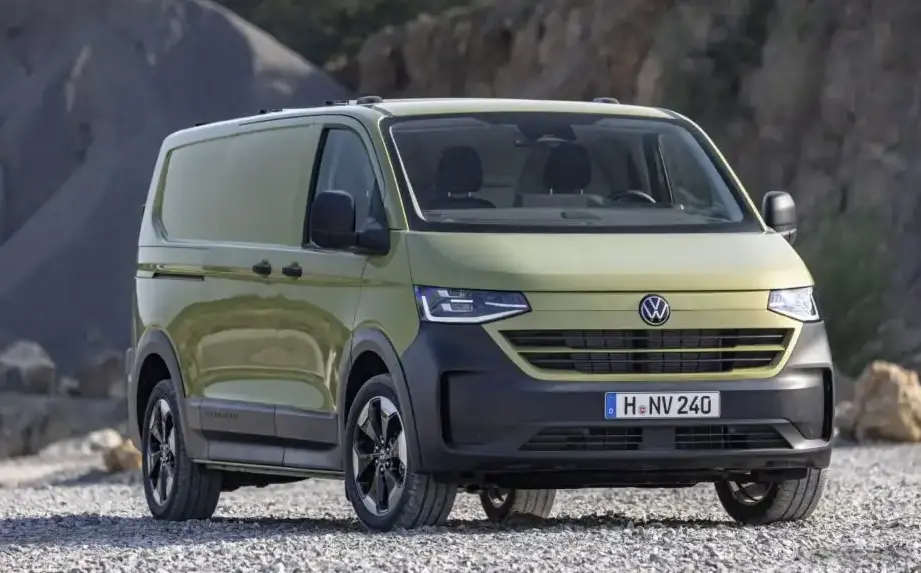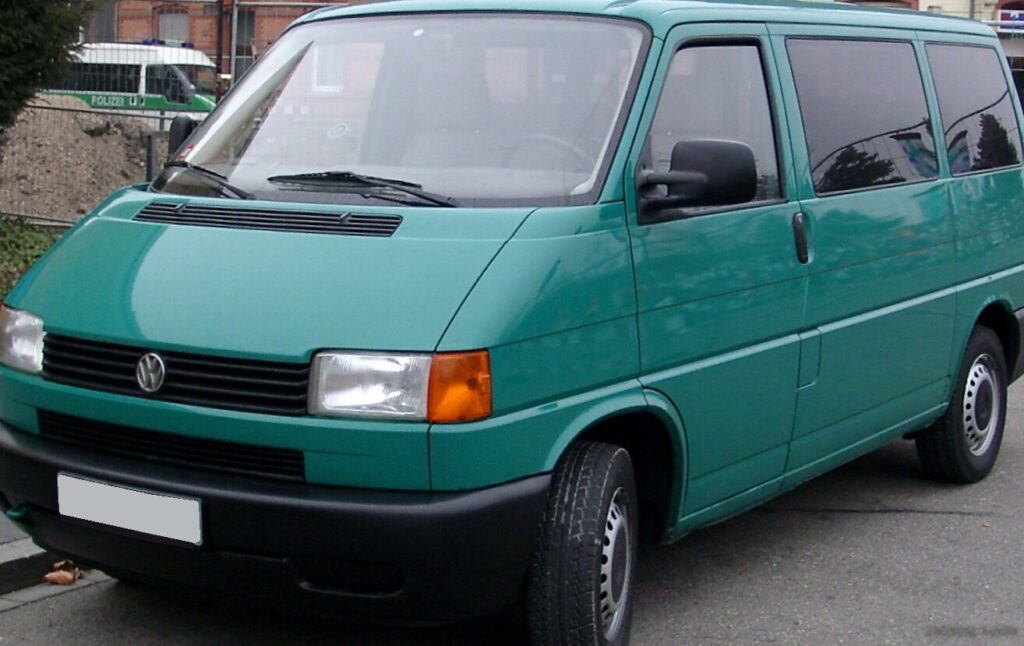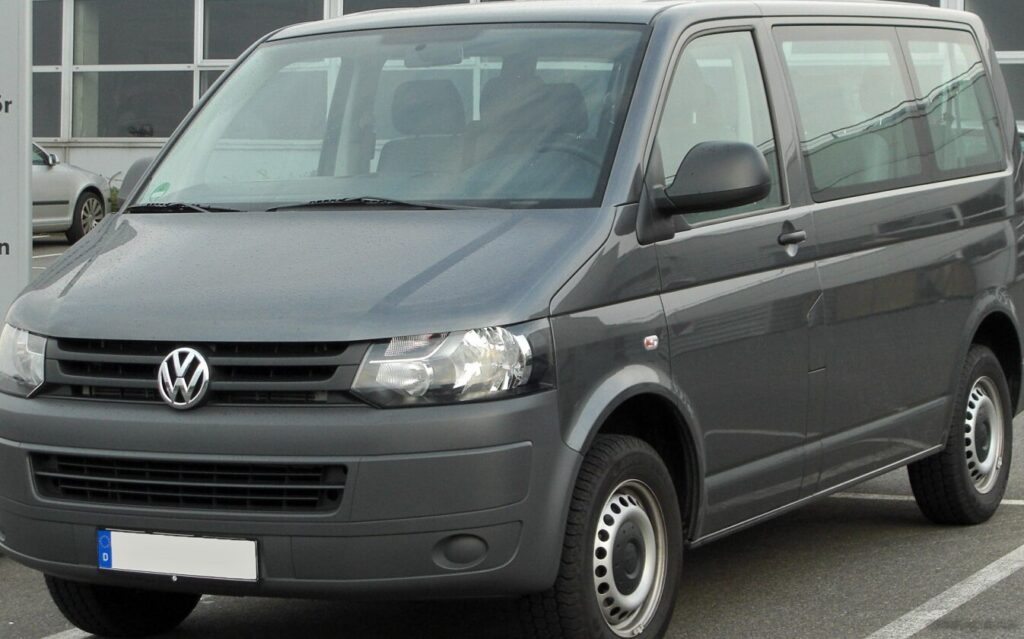
The Volkswagen Transporter (T5) facelift, produced from 2009 to 2015, represented a significant update to the fifth generation of Volkswagen’s popular commercial vehicle. Within the T5 range, the Kombi 2.0 TDI BMT (140 hp) L2H2, manufactured from 2012 to 2015, occupied a middle ground, offering a balance between fuel efficiency, practicality, and cost. The “L2H2” designation refers to the vehicle’s body length (L2 – long wheelbase) and roof height (H2 – high roof), providing substantial cargo and passenger space. This variant was primarily aimed at businesses and families requiring a versatile vehicle for both work and leisure, serving as a step up from the base models while remaining more affordable than the higher-powered or fully-equipped trims.
Powertrain & Engine Architecture
The heart of the Transporter Kombi 2.0 TDI BMT (140 hp) L2H2 is the EA189 series 2.0-liter inline four-cylinder diesel engine, specifically the CAAC engine code. This engine is a turbocharged common rail direct injection diesel. The ‘BMT’ designation stands for ‘BlueMotion Technology’, indicating the inclusion of fuel-saving technologies. The engine utilizes a turbocharger with an intercooler to boost power and efficiency. Fuel is delivered via a Bosch common rail system operating at a maximum pressure of 1,600 bar, ensuring precise fuel atomization and optimized combustion. The engine features a double overhead camshaft (DOHC) valvetrain with four valves per cylinder, contributing to improved breathing and power output.
The engine produces 140 horsepower (hp) at 3,500 rpm and 340 Newton-meters (250.77 lb-ft) of torque between 1,750 and 2,500 rpm. This torque curve provides good low-end grunt, making it suitable for carrying loads and navigating varied terrain. The engine’s 16.5:1 compression ratio is typical for a diesel engine, maximizing thermal efficiency. The engine oil capacity is 7 liters (7.4 US quarts or 6.16 UK quarts), and the coolant capacity is 11 liters (11.62 US quarts or 9.68 UK quarts). The engine also incorporates a diesel particulate filter (DPF) and a Start & Stop system to reduce emissions and improve fuel economy.
The engine is paired with a six-speed manual transmission, delivering power to the front wheels. This configuration was chosen for its balance of fuel efficiency and cost-effectiveness. While a seven-speed DSG (Direct-Shift Gearbox) automatic transmission was available on other T5 variants, it was not offered with this specific engine and trim level.
Fuel Injection and Turbocharging
The common rail direct injection system is a key component of the engine’s efficiency and performance. It allows for multiple injection events per combustion cycle, optimizing fuel burn and reducing noise. The turbocharger, coupled with an intercooler, forces more air into the engine, increasing power output without significantly increasing engine size. The intercooler cools the compressed air, further enhancing density and combustion efficiency.
Driving Characteristics
The 140 hp 2.0 TDI engine in the Transporter Kombi L2H2 provides adequate performance for most everyday driving situations. Acceleration from 0 to 100 km/h (0-62 mph) takes approximately 13.2 seconds, and the top speed is 167 km/h (103.77 mph). While not particularly sporty, the engine delivers sufficient torque for comfortable cruising and overtaking, even when fully loaded. The six-speed manual transmission allows drivers to keep the engine in its optimal power band, maximizing efficiency and responsiveness. Compared to the more powerful 180 hp TDI variants, the 140 hp version feels less strained when carrying heavy loads or climbing hills. However, it also lacks the outright acceleration and top-end performance of its more potent siblings. The front-wheel-drive configuration provides good traction in most conditions, but can struggle on slippery surfaces with a heavy load.
The gear ratios are tuned for a balance of fuel economy and usability. First gear is relatively short for easy starts from a standstill, while fifth and sixth gears are geared for efficient highway cruising. The clutch is relatively light and easy to operate, making it suitable for both urban and long-distance driving.
Equipment & Trim Levels
The Transporter Kombi 2.0 TDI BMT (140 hp) L2H2 typically came equipped with a practical, yet functional interior. Standard features included air conditioning, a CD/radio system, electric front windows, and central locking. The interior upholstery was typically a durable cloth material. The dashboard layout was straightforward and focused on functionality, with clearly labeled controls and ample storage compartments. The Kombi configuration offered seating for up to nine passengers, with a flexible seating arrangement that could be adapted to suit different needs. Optional extras included alloy wheels, parking sensors, a navigation system, and upgraded audio systems. Higher trim levels added features like cruise control, heated seats, and leather upholstery.
Chassis & Braking
The Transporter T5 utilizes an independent McPherson strut suspension system at the front, providing a comfortable ride and good handling characteristics. The rear suspension features a semi-independent trailing arm setup with coil springs and a transverse stabilizer bar. This configuration offers a good balance between ride comfort and load-carrying capacity. The front brakes are ventilated discs measuring 308×29.5 mm, while the rear brakes are also ventilated discs measuring 294×22 mm. The braking system is assisted by ABS (Anti-lock Braking System). The steering is a hydraulic power-assisted rack and pinion system, providing precise and responsive steering feel. The vehicle is equipped with 215/65 R16 tires mounted on 6.5J x 16 inch steel or alloy wheels.
Market Reception & Comparison
The Transporter Kombi 2.0 TDI BMT (140 hp) L2H2 was generally well-received by critics and customers alike. It was praised for its fuel efficiency, practicality, and versatility. Fuel economy figures averaged around 7 liters per 100 km (33.6 US mpg or 40.4 UK mpg), making it an economical choice for businesses and families. Compared to the higher-powered TDI variants, the 140 hp version offered a more affordable entry point into the Transporter range. However, some critics noted that the engine could feel underpowered when fully loaded or driving uphill. Reliability was generally good, although the DPF could be prone to clogging if the vehicle was primarily used for short journeys. Compared to competitors like the Mercedes-Benz Vito and the Ford Transit, the Transporter offered a good balance of features, performance, and value.
Technical Specifications
| Brand | Volkswagen |
| Model | Transporter |
| Generation | Transporter (T5, facelift 2009) Kombi |
| Type | 2.0 TDI BMT (140 Hp) L2H2 |
| Start of production | 2012 |
| End of production | 2015 |
| Engine | 2.0-liter Inline-4 Diesel |
| Engine Code | CAAC |
| Power | 140 hp @ 3500 rpm |
| Torque | 340 Nm (250.77 lb-ft) @ 1750-2500 rpm |
| Fuel Consumption (Urban) | 8.9 l/100 km (26.4 US mpg) |
| Fuel Consumption (Extra Urban) | 5.9 l/100 km (39.9 US mpg) |
| Fuel Consumption (Combined) | 7 l/100 km (33.6 US mpg) |
| CO2 Emissions | 184 g/km |
| Transmission | 6-speed Manual |
| Drive | Front-Wheel Drive |
| Kerb Weight | 1901 kg (4190.99 lbs) |
| Max. Weight | 2800-3200 kg (6172.94 – 7054.79 lbs) |
| Fuel Tank Capacity | 80 l (21.13 US gal) |
| Length | 5292 mm (208.35 in) |
| Width | 1904 mm (74.96 in) |
| Height | 2176 mm (85.67 in) |
Legacy
The 2.0 TDI engine, in its various iterations, proved to be a reliable and durable powertrain. While early versions of the EA189 engine were subject to recalls related to the emissions scandal (“Dieselgate”), the later versions, including the CAAC code found in the 2012-2015 Transporter Kombi, were generally considered more robust. Today, used examples of the Transporter Kombi 2.0 TDI BMT (140 hp) L2H2 remain popular choices for businesses and families seeking a practical and affordable van. Regular maintenance, including timely DPF regeneration and oil changes, is crucial for ensuring long-term reliability. The vehicle’s simple mechanical design and readily available parts contribute to its continued appeal in the used car market.