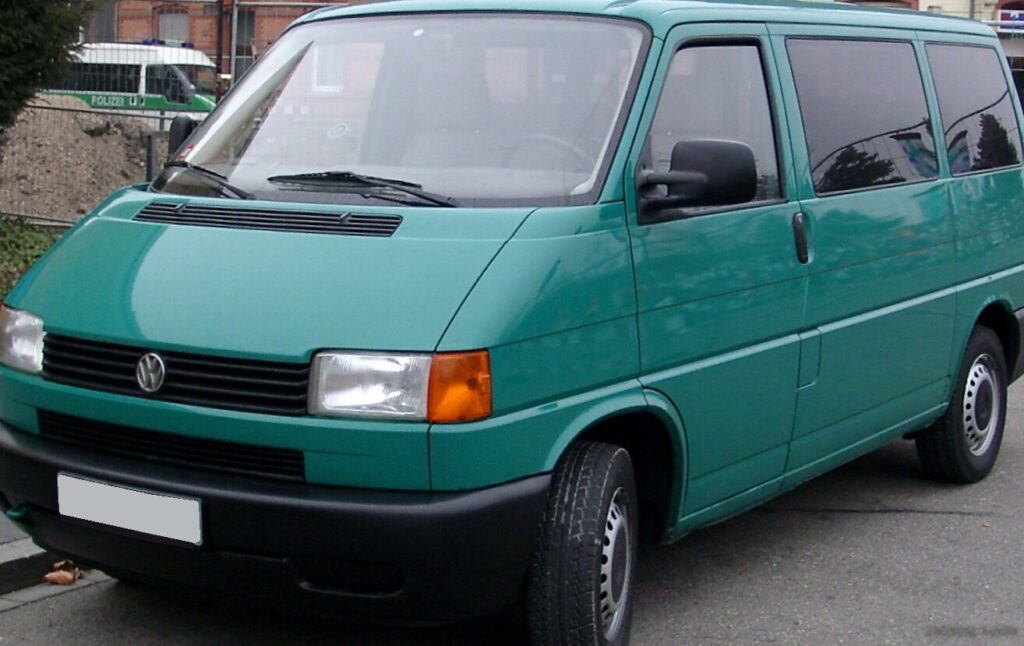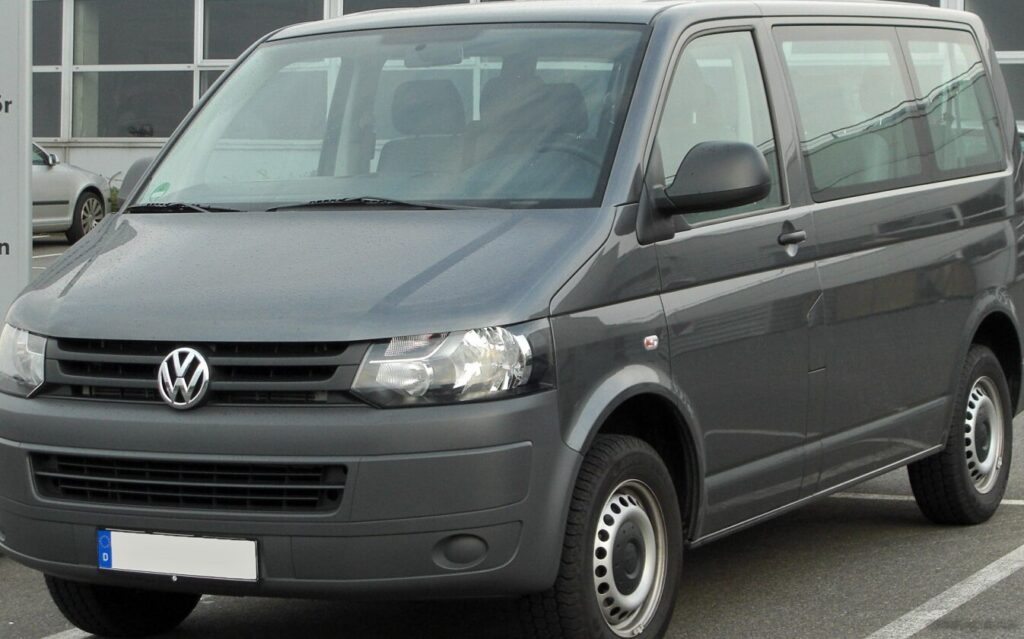
The Volkswagen Transporter (T5) facelift, produced from 2009 to 2015, represented a significant update to the fifth generation of Volkswagen’s popular commercial vehicle. Within the T5 range, the Kombi 2.0 TDI BMT (84 hp) L1H2 variant, introduced in 2011, occupied the entry-level position in the diesel lineup. This model was designed for practicality and economy, targeting small businesses, families needing versatile transport, and those prioritizing fuel efficiency over outright performance. The “L1H2” designation refers to the vehicle’s body length and roof height, indicating a relatively compact configuration within the T5 range. It served as a workhorse, offering a balance between cargo capacity and maneuverability.
Powertrain & Engine Architecture
The heart of the Transporter Kombi 2.0 TDI BMT (84 hp) is the EA189 series 2.0-liter inline four-cylinder diesel engine, specifically the CAAA engine code. This engine is a turbocharged common rail direct injection diesel. The ‘BMT’ designation stands for ‘BlueMotion Technology’, indicating the inclusion of fuel-saving features. The engine utilizes a single turbocharger with an intercooler to improve efficiency and power delivery. Fuel is delivered via a Bosch common rail system operating at a maximum pressure of 1600 bar, ensuring precise fuel atomization for cleaner combustion and improved fuel economy. The engine features a double overhead camshaft (DOHC) valvetrain with four valves per cylinder, optimizing gas flow for enhanced performance.
The engine is transversely mounted at the front of the vehicle. Power is transmitted to the front wheels through a five-speed manual transmission. This transmission was chosen to maximize fuel efficiency and keep costs down, aligning with the variant’s positioning as an entry-level model. The gear ratios are geared towards economy, with a relatively tall final drive. The transmission is a standard, non-automated manual gearbox, offering a direct and engaging driving experience, albeit without the convenience of automatic shifting.
Fuel Injection and Turbocharging
The common rail direct injection system is a key component of the engine’s efficiency. It allows for multiple injection events per combustion cycle, optimizing the burning process and reducing emissions. The turbocharger provides increased air intake, boosting power output and torque. The intercooler cools the compressed air from the turbocharger, further increasing its density and improving combustion efficiency. These technologies work in concert to deliver a respectable level of performance from a relatively small-displacement engine.
Driving Characteristics
The 84 hp output and 220 Nm (162 lb-ft) of torque of the 2.0 TDI BMT engine translate to a utilitarian driving experience. Acceleration is modest, with a 0-62 mph (0-100 km/h) time of approximately 21.2 seconds. The engine’s peak torque is available from 1250-2500 rpm, providing adequate pulling power for everyday driving and moderate loads. However, the engine can feel strained when fully loaded or climbing steep hills. The five-speed manual transmission requires frequent shifting to maintain optimal engine speed, especially when overtaking or ascending inclines. Compared to the more powerful 140 hp or 180 hp TDI variants, the 84 hp model offers significantly less performance, but it compensates with improved fuel economy. The manual transmission provides a more connected driving experience than an automatic, allowing the driver to maintain better control over the engine’s power band.
The vehicle’s handling is typical of a front-wheel-drive van – safe and predictable, but not particularly sporty. The suspension is tuned for comfort and load-carrying capacity, resulting in a slightly softer ride quality. Body roll is noticeable in corners, but the vehicle remains stable and controllable.
Equipment & Trim Levels
The Kombi 2.0 TDI BMT (84 hp) L1H2 was generally equipped with a basic level of standard features, reflecting its entry-level status. Standard equipment typically included power steering, ABS brakes, a driver’s airbag, and basic steel wheels. The interior featured durable cloth upholstery and a functional dashboard layout. Air conditioning was often an optional extra, as were features like power windows and central locking. The Kombi configuration allowed for flexible seating arrangements, with options for multiple rear seats, enabling the vehicle to accommodate between four and nine passengers. The L1H2 body style provided a generous cargo area behind the rear seats, making it suitable for both passenger and light commercial use. Optional extras included upgraded audio systems, parking sensors, and alloy wheels.
Chassis & Braking
The Transporter T5 utilized a robust chassis designed to handle both passenger and cargo loads. The front suspension consisted of independent McPherson struts with coil springs and an anti-roll bar, providing a comfortable ride and stable handling. The rear suspension employed a semi-independent trailing arm setup with coil springs and a transverse stabilizer bar. This configuration offered a good balance between ride comfort and load-carrying capacity. The braking system featured ventilated disc brakes on all four wheels, providing adequate stopping power for the vehicle’s weight. ABS (Anti-lock Braking System) was standard, enhancing safety by preventing wheel lockup during emergency braking. The vehicle’s curb weight of approximately 1901 kg (4190 lbs) contributed to its stable handling characteristics.
Market Reception & Comparison
The Transporter Kombi 2.0 TDI BMT (84 hp) L1H2 was generally well-received as a practical and economical workhorse. Critics praised its fuel efficiency, with combined fuel consumption figures of around 6.8 l/100 km (34.6 US mpg). However, the engine’s limited power output was often cited as a drawback, particularly when the vehicle was fully loaded. Compared to the higher-output TDI variants, the 84 hp model offered significantly less performance, but it was also more affordable to purchase and operate. The manual transmission was appreciated by drivers who preferred a more engaging driving experience, but it was less convenient than an automatic transmission. In terms of reliability, the EA189 engine proved to be generally robust, although some early models were affected by diesel particulate filter (DPF) issues. Overall, the 84 hp TDI Kombi represented a sensible choice for buyers prioritizing economy and practicality over performance.
Technical Specifications
| Brand | Volkswagen |
| Model | Transporter |
| Generation | Transporter (T5, facelift 2009) Kombi |
| Type | 2.0 TDI BMT (84 Hp) L1H2 |
| Start of production | 2011 |
| End of production | 2015 |
| Engine Displacement | 1968 cm3 (120.09 cu. in.) |
| Engine Code | CAAA |
| Number of Cylinders | 4 |
| Engine Configuration | Inline |
| Fuel Type | Diesel |
| Power | 84 Hp @ 3500 rpm |
| Torque | 220 Nm @ 1250-2500 rpm (162.26 lb.-ft.) |
| Fuel Consumption (Urban) | 8.4 l/100 km (28 US mpg) |
| Fuel Consumption (Extra Urban) | 5.9 l/100 km (39.9 US mpg) |
| Fuel Consumption (Combined) | 6.8 l/100 km (34.6 US mpg) |
| CO2 Emissions | 179 g/km |
| Transmission | 5-speed Manual |
| Kerb Weight | 1901 kg (4190.99 lbs) |
| Max. Weight | 2800-3000 kg (6172.94 – 6613.87 lbs) |
| Fuel Tank Capacity | 80 l (21.13 US gal) |
| Length | 4892 mm (192.6 in) |
| Width | 1904 mm (74.96 in) |
| Height | 2176 mm (85.67 in) |
Legacy
The Volkswagen Transporter T5 2.0 TDI BMT (84 hp) remains a common sight on European roads today. Its robust construction and relatively simple engine design contribute to its longevity. While the EA189 engine has been subject to scrutiny regarding emissions, well-maintained examples continue to provide reliable service. In the used car market, this variant represents an affordable entry point into Transporter ownership. However, potential buyers should be aware of the possibility of DPF issues and ensure that the vehicle has been properly serviced. The 84 hp TDI engine, while not particularly powerful, is known for its fuel efficiency and durability, making it a practical choice for those seeking a reliable and economical van.