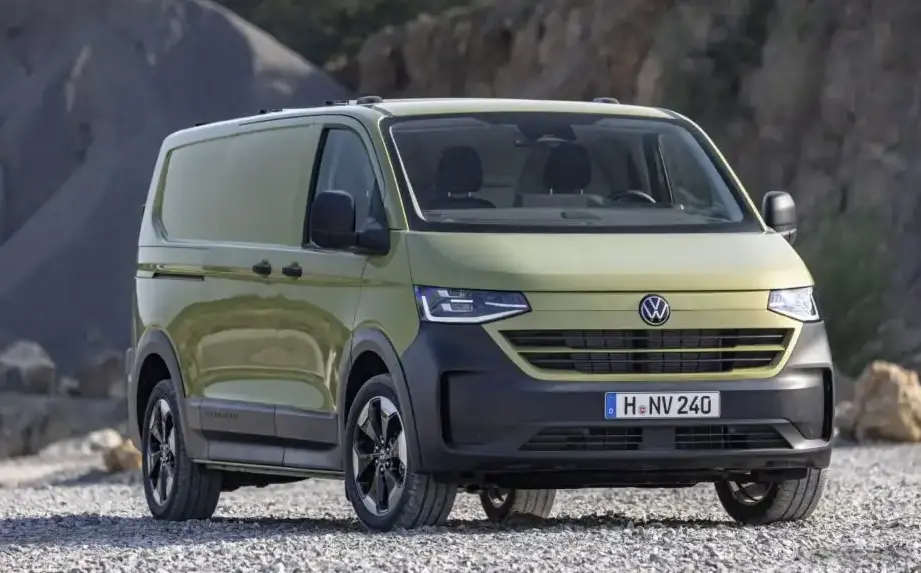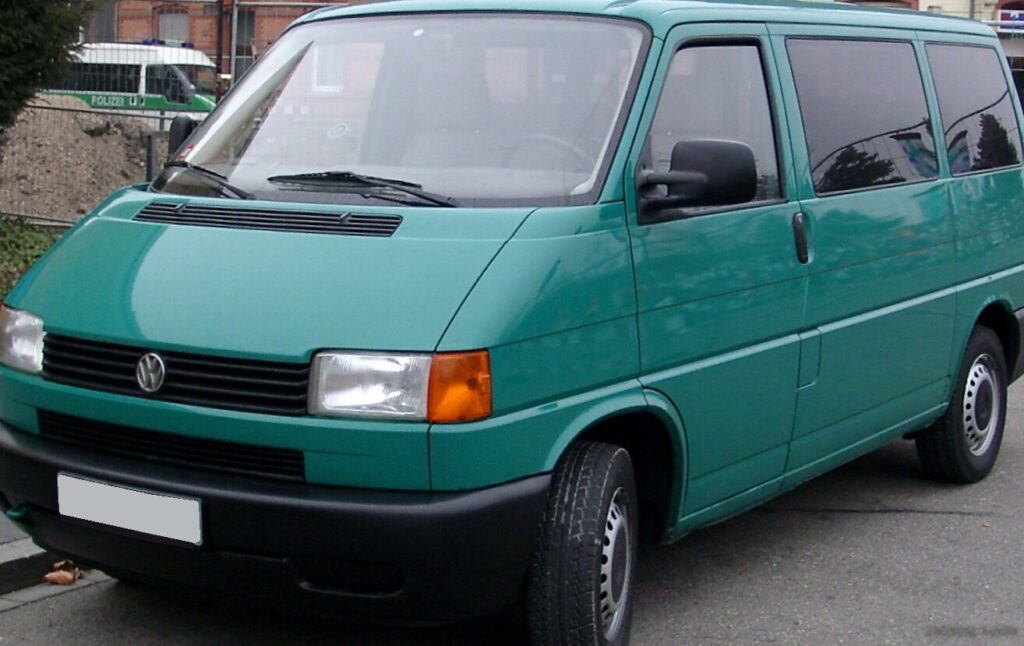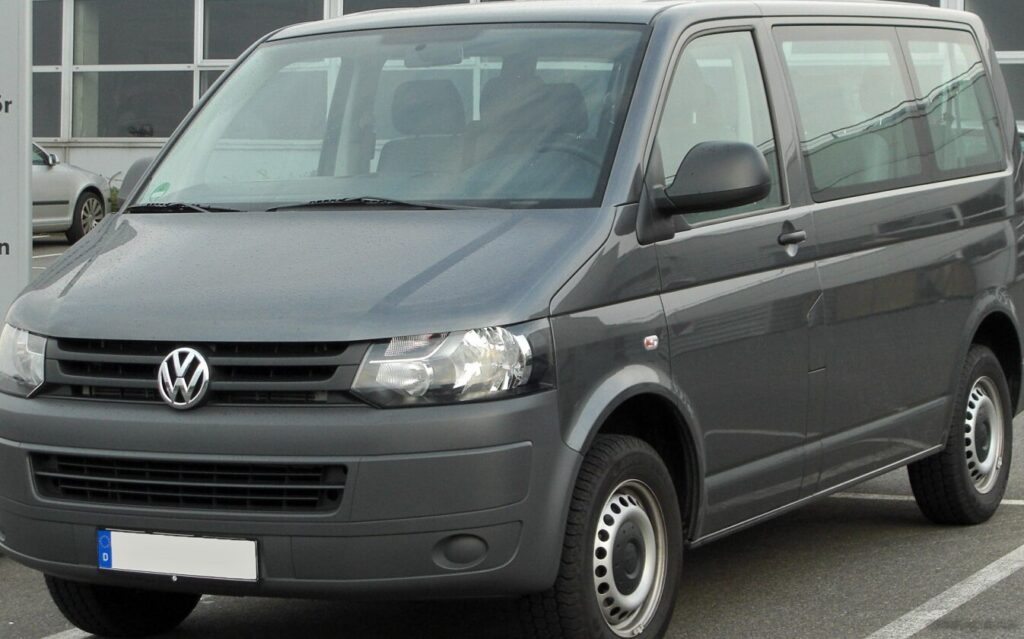
The Volkswagen Transporter (T5) facelift, produced from 2009 to 2015, represented a significant update to the fifth generation of Volkswagen’s popular commercial vehicle. Within the T5 range, the Kombi 2.0 TDI BMT (84 hp) L2H1 variant, introduced in 2011, occupied the entry-level position in the diesel lineup. This model was designed for practicality and fuel efficiency, targeting small businesses, families needing versatile transport, and those prioritizing lower running costs over outright performance. The “L2H1” designation refers to the vehicle’s body length (L2 – long wheelbase) and roof height (H1 – standard roof). This specific configuration was a mainstay of the T5 range during its later production years, offering a balance between cargo capacity and maneuverability.
Powertrain & Engine Architecture
The heart of the Transporter Kombi 2.0 TDI BMT (84 hp) is the EA189 series 2.0-liter inline four-cylinder diesel engine, specifically the CAAA engine code. This engine is a turbocharged common rail direct injection diesel. The ‘BMT’ designation stands for ‘BlueMotion Technology’, indicating the inclusion of fuel-saving technologies. The engine utilizes a single turbocharger with an intercooler to improve efficiency and power delivery. Fuel is delivered via a Bosch common rail system operating at a maximum pressure of 1600 bar. The engine features a double overhead camshaft (DOHC) valvetrain with four valves per cylinder, optimizing gas flow for improved combustion.
The 2.0 TDI BMT engine is paired with a five-speed manual transmission, sending power to the front wheels. This transmission was chosen for its robustness and cost-effectiveness, aligning with the vehicle’s overall positioning. The gear ratios are geared towards maximizing fuel economy rather than providing rapid acceleration. First gear is relatively short for easy starts from a standstill, while higher gears are spaced to keep engine RPMs low during highway cruising. The transmission lacks any advanced features like automatic rev-matching or sport modes.
Fuel Injection and Turbocharging
The common rail direct injection system is crucial to the engine’s efficiency. It allows for precise control over fuel delivery timing and quantity, optimizing combustion and reducing emissions. The turbocharger, a variable geometry turbo (VGT), provides increased air intake to the engine, boosting power output. The intercooler cools the compressed air from the turbocharger, further increasing its density and improving combustion efficiency. The engine also incorporates a diesel particulate filter (DPF) to reduce harmful particulate matter emissions, meeting Euro 5 emission standards.
Driving Characteristics
The 84 hp output of the 2.0 TDI BMT engine translates to a utilitarian driving experience. Acceleration is modest, with a 0-62 mph (0-100 km/h) time of approximately 21.1 seconds. The engine’s peak torque of 220 Nm (162.26 lb-ft) is available from 1250-2500 rpm, providing adequate pulling power for everyday driving and moderate loads. However, the engine can feel strained when fully loaded or climbing steep hills. The five-speed manual transmission requires frequent shifting to maintain optimal engine speed, especially when overtaking or ascending inclines.
Compared to the more powerful 140 hp or 180 hp versions of the 2.0 TDI engine offered in the T5 range, the 84 hp variant prioritizes fuel economy over performance. The higher-output engines offered significantly quicker acceleration and more effortless cruising, but at the expense of increased fuel consumption. The 84 hp model is also noticeably slower than the petrol-powered variants, such as the 1.9 TDI, which offered a more responsive driving experience but were less fuel-efficient.
Equipment & Trim Levels
The Kombi 2.0 TDI BMT (84 hp) L2H1 typically came equipped with a basic level of standard features, reflecting its entry-level positioning. Standard equipment generally included power steering, ABS brakes, a driver’s airbag, and basic steel wheels. The interior featured durable cloth upholstery and a functional dashboard layout. The Kombi configuration allowed for flexible seating arrangements, with options for multiple rows of seats to accommodate up to nine passengers.
Optional extras included air conditioning, electric windows, central locking, a radio/CD player, and upgraded interior trim. Some models were also available with features like parking sensors, alloy wheels, and a trip computer. The level of equipment varied depending on the specific market and customer preferences. The Kombi trim level itself focused on providing a versatile passenger and cargo carrying capacity, with features like sliding rear doors and a rear bench seat that could be folded or removed to create more space.
Chassis & Braking
The Transporter T5 utilized a front-wheel-drive chassis with independent suspension on both the front and rear axles. The front suspension employed a McPherson strut design with coil springs and an anti-roll bar, providing a comfortable ride and predictable handling. The rear suspension featured a trailing arm setup with coil springs and a transverse stabilizer bar, contributing to stability and load-carrying capacity. The braking system consisted of ventilated discs on all four wheels, providing adequate stopping power for the vehicle’s weight. ABS (Anti-lock Braking System) was standard, enhancing safety during emergency braking situations.
The suspension setup was tuned to prioritize ride comfort and load-carrying capability over sporty handling. The stabilizer bars helped to reduce body roll during cornering, but the vehicle’s high center of gravity and relatively soft suspension settings meant that it was not designed for aggressive driving. The braking system was generally reliable, but the rear disc brakes were smaller than the front discs, potentially leading to reduced braking performance under heavy loads.
Market Reception & Comparison
The Transporter Kombi 2.0 TDI BMT (84 hp) L2H1 was generally well-received by critics as a practical and economical workhorse. Its low fuel consumption (6.8 l/100 km combined) and relatively low purchase price made it an attractive option for businesses and families on a budget. However, its modest performance was often criticized, particularly when compared to the more powerful engine options available in the T5 range.
In terms of reliability, the 2.0 TDI engine proved to be generally robust, although early versions of the EA189 engine were later found to be affected by issues related to the DPF and fuel injectors. The five-speed manual transmission was also considered reliable, requiring minimal maintenance. Compared to the petrol-powered T5 models, the 2.0 TDI BMT offered significantly better fuel economy and lower running costs, making it a more sensible choice for high-mileage users.
Technical Specifications
| Brand | Volkswagen |
| Model | Transporter |
| Generation | Transporter (T5, facelift 2009) Kombi |
| Type | 2.0 TDI BMT (84 Hp) L2H1 |
| Start of production | 2011 |
| End of production | 2015 |
| Engine Displacement | 1968 cm3 (120.09 cu. in.) |
| Engine Code | CAAA |
| Number of Cylinders | 4, Inline |
| Fuel Type | Diesel |
| Power | 84 Hp @ 3500 rpm |
| Torque | 220 Nm @ 1250-2500 rpm (162.26 lb.-ft.) |
| Fuel Consumption (Urban) | 8.4 l/100 km (28 US mpg) |
| Fuel Consumption (Extra Urban) | 5.9 l/100 km (39.9 US mpg) |
| Fuel Consumption (Combined) | 6.8 l/100 km (34.6 US mpg) |
| CO2 Emissions | 179 g/km |
| Transmission | 5-speed Manual |
| Kerb Weight | 1901 kg (4190.99 lbs.) |
| Max. Weight | 2800-3000 kg (6172.94 – 6613.87 lbs.) |
| Length | 5292 mm (208.35 in.) |
| Width | 1904 mm (74.96 in.) |
| Height | 1990 mm (78.35 in.) |
Legacy
The Volkswagen Transporter T5 2.0 TDI BMT (84 hp) L2H1 remains a popular choice in the used commercial vehicle market. Its reputation for reliability, fuel efficiency, and practicality continues to attract buyers seeking a versatile and affordable van. While the engine’s performance is modest by modern standards, it is generally considered adequate for everyday use and light commercial applications. The availability of spare parts and a well-established service network ensures that these vehicles can be maintained relatively easily. However, potential buyers should be aware of the potential for DPF issues and fuel injector problems, particularly on earlier models. Overall, the T5 2.0 TDI BMT (84 hp) L2H1 represents a solid and dependable option for those seeking a practical and economical van.