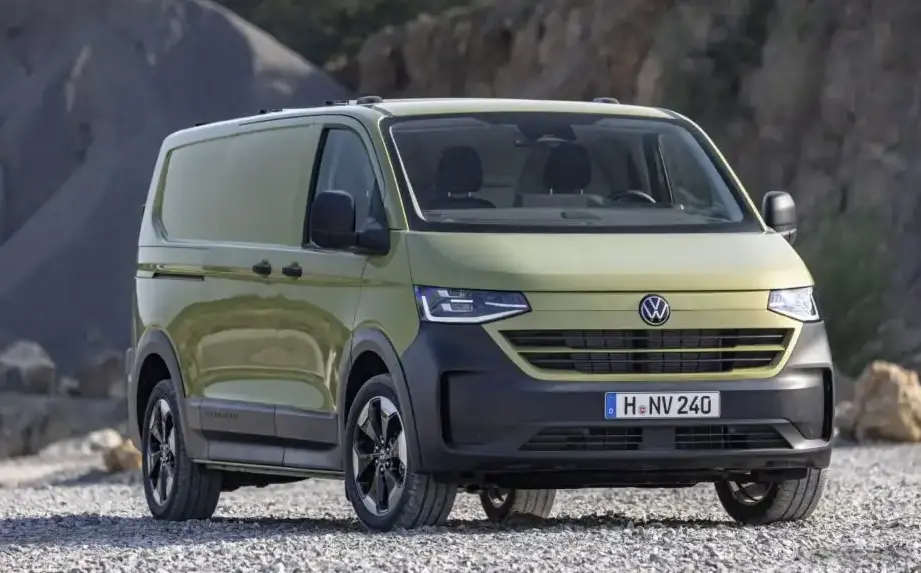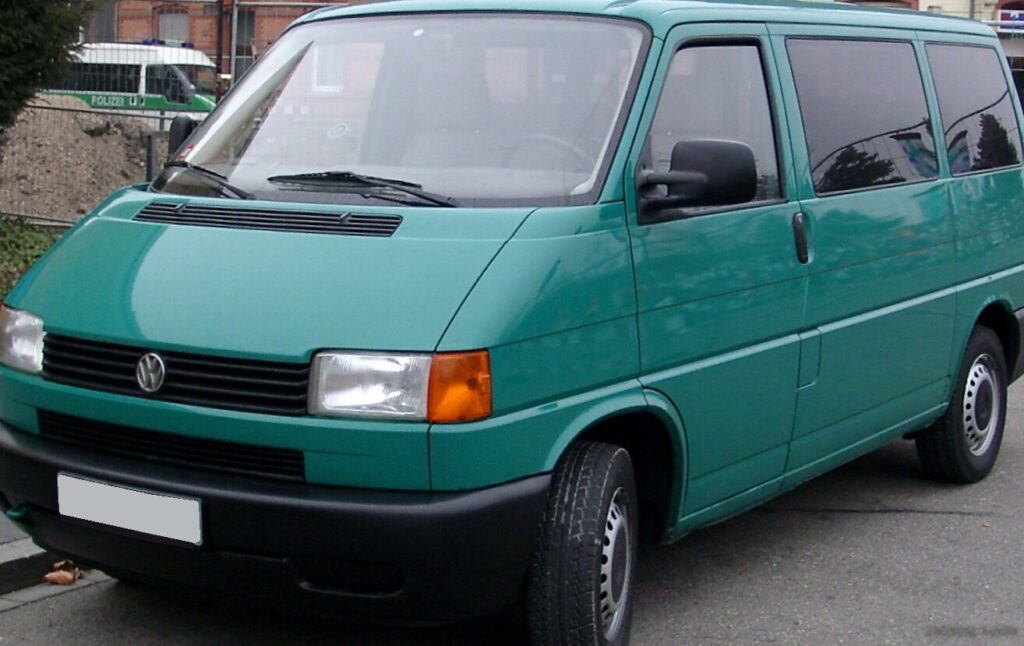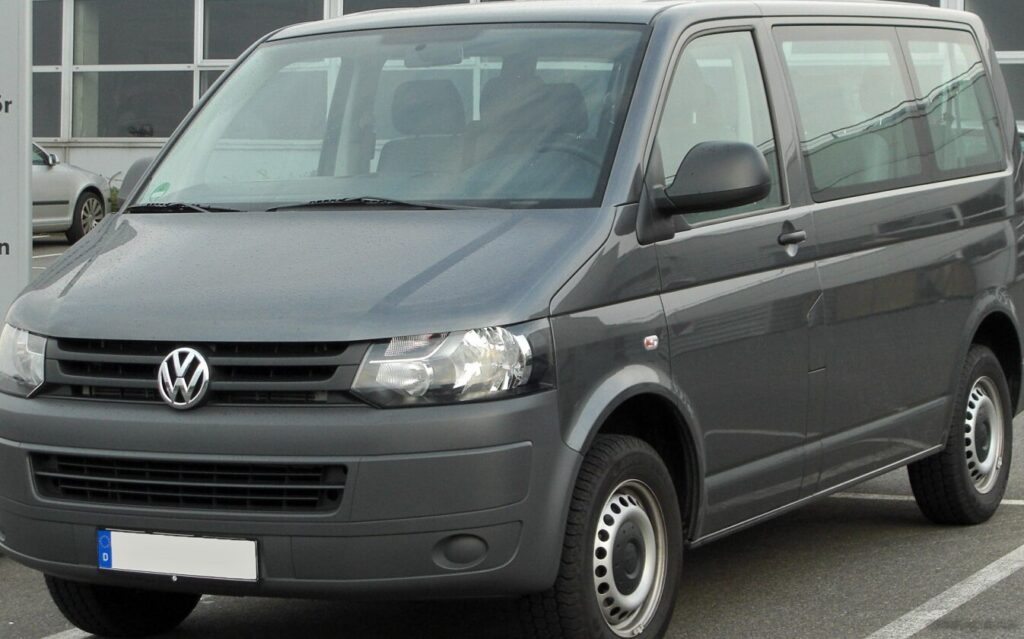
The Volkswagen Transporter (T5) facelift, produced from 2009 to 2015, represented a significant update to the fifth generation of Volkswagen’s popular commercial vehicle. Within this generation, the “Kombi” designation denoted a passenger-oriented variant, offering seating for up to nine occupants. The 2.0 TSI (150 hp) L1H1 Kombi, introduced in 2012, occupied a mid-range position in the T5 lineup, bridging the gap between the more economical diesel options and the higher-performance, though less practical, models. The “L1H1” designation refers to the vehicle’s body length and roof height – a relatively compact configuration making it suitable for both urban and rural environments. This variant was primarily aimed at families and businesses requiring a versatile vehicle capable of carrying both passengers and moderate amounts of cargo.
The 2.0 TSI (150 hp) L1H1: A Detailed Overview
The 2.0 TSI L1H1 Kombi was a key addition to the T5 facelift range, offering a gasoline-powered alternative to the predominantly diesel-fueled lineup. It provided a balance between performance and fuel efficiency, appealing to customers who preferred the responsiveness of a turbocharged gasoline engine or those operating in regions with stricter diesel emission regulations. The facelift brought cosmetic changes including revised headlights, a new front grille, and updated interior trim, enhancing the overall appeal of the T5.
Powertrain & Engine Architecture
At the heart of the 2.0 TSI L1H1 Kombi lies the EA888 engine, specifically the CJKB variant. This is a 1.984-liter (121.07 cubic inches) inline-four cylinder engine featuring direct fuel injection and a single turbocharger with an intercooler. The engine produces 150 horsepower at 3,750-6,000 rpm and 280 Nm (206.52 lb-ft) of torque between 1,500 and 3,750 rpm. The direct injection system, coupled with the turbocharger, allows for precise fuel delivery and enhanced combustion efficiency. The engine utilizes a double overhead camshaft (DOHC) valvetrain with four valves per cylinder, optimizing gas flow and contributing to its power output. The compression ratio is set at 9.8:1. The engine requires 5.7 liters (6.02 US quarts) of engine oil meeting specific Volkswagen specifications.
The 2.0 TSI engine was paired with a six-speed manual transmission as standard. While an automatic transmission was available as an option, the manual gearbox was favored by many drivers for its greater control and fuel efficiency. The transmission’s gear ratios were tuned to provide a balance between acceleration and cruising comfort. The front-wheel-drive configuration was standard for this variant, contributing to its relatively lightweight and efficient operation.
Driving Characteristics
The 2.0 TSI L1H1 Kombi offered a noticeably more responsive driving experience compared to the lower-powered diesel variants. The 150 hp output, while not exceptionally high, provided sufficient power for everyday driving and occasional highway journeys. Acceleration from 0 to 100 km/h (0-62 mph) took approximately 11.5 seconds, and 0-60 mph was achieved in around 10.9 seconds. The readily available torque, peaking at 280 Nm, ensured brisk acceleration in most driving situations. The six-speed manual transmission allowed drivers to effectively utilize the engine’s powerband, while the front-wheel-drive setup provided predictable handling. Compared to the more powerful TSI variants, the 150 hp version offered a more manageable and fuel-efficient driving experience, making it well-suited for urban commuting and family use. The power-to-weight ratio of 12.5 kg/hp and torque-to-weight ratio of 6.7 kg/Nm contributed to its respectable performance.
Equipment & Trim Levels
The 2.0 TSI L1H1 Kombi typically came equipped with a range of standard features, including power windows, central locking, air conditioning, and an audio system. Safety features such as ABS (Anti-lock Braking System) and driver and passenger airbags were also standard. Interior upholstery was typically cloth, with options for upgraded materials available. The dashboard layout was functional and straightforward, prioritizing practicality over luxury. Optional extras included features such as a navigation system, parking sensors, alloy wheels, and upgraded audio systems. Higher trim levels offered additional comfort and convenience features, such as climate control and leather upholstery. The Kombi configuration allowed for flexible seating arrangements, with options for removable seats to maximize cargo space.
Chassis & Braking
The T5 Kombi utilized an independent suspension system on both the front and rear axles. The front suspension employed a McPherson strut design with coil springs and an anti-roll bar, while the rear suspension featured a trailing arm setup with coil springs and a transverse stabilizer. This suspension configuration provided a comfortable ride quality and predictable handling. The braking system consisted of ventilated discs on all four wheels, with front discs measuring 308×29.5 mm and rear discs measuring 294×22 mm. The hydraulic power steering provided precise and responsive steering feel. The vehicle’s curb weight of 1,881 kg (4,146.9 lbs) influenced the suspension tuning and braking performance.
Market Reception & Comparison
The 2.0 TSI L1H1 Kombi received generally positive reviews from automotive critics. It was praised for its responsive engine, comfortable ride, and versatile interior. However, some critics noted that the fuel economy was not as competitive as that of the diesel variants. The combined fuel consumption of 9.6 l/100 km (24.5 US mpg) and CO2 emissions of 224 g/km were considered average for its class. Compared to the 2.0 TDI models, the TSI offered a more refined driving experience but at the cost of increased fuel consumption. Against higher-powered TSI variants, the 150 hp version offered a more affordable and practical option, appealing to a wider range of buyers. The Euro 5 emission standard compliance was also a positive aspect for customers in environmentally conscious markets.
Technical Specifications
| Brand | Volkswagen |
| Model | Transporter |
| Generation | Transporter (T5, facelift 2009) Kombi |
| Type | 2.0 TSI (150 Hp) L1H1 |
| Start of production | 2012 |
| End of production | 2015 |
| Engine Displacement | 1984 cm3 (121.07 cu. in.) |
| Engine Code | CJKB (EA888) |
| Power | 150 Hp @ 3750-6000 rpm |
| Torque | 280 Nm @ 1500-3750 rpm (206.52 lb.-ft.) |
| Fuel Consumption (Urban) | 12.8 l/100 km (18.4 US mpg) |
| Fuel Consumption (Extra Urban) | 7.8 l/100 km (30.2 US mpg) |
| Fuel Consumption (Combined) | 9.6 l/100 km (24.5 US mpg) |
| CO2 Emissions | 224 g/km |
| Acceleration 0-100 km/h | 11.5 sec |
| Maximum Speed | 180 km/h (111.85 mph) |
| Kerb Weight | 1881 kg (4146.9 lbs) |
| Fuel Tank Capacity | 80 l (21.13 US gal) |
| Transmission | 6-speed Manual |
| Drive Type | Front Wheel Drive |
Legacy
The 2.0 TSI engine, in its various iterations, has proven to be a relatively reliable powertrain. While not without its potential issues (such as carbon buildup on intake valves, a common issue with direct injection engines), the EA888 engine is generally considered durable and capable of high mileage with proper maintenance. In the used car market, the 2.0 TSI L1H1 Kombi remains a popular choice for families and businesses seeking a versatile and practical vehicle. Its combination of performance, comfort, and space makes it a compelling alternative to larger MPVs. Regular servicing, including oil changes and inspection of the turbocharger and fuel injection system, is crucial for maintaining the long-term reliability of this powertrain. The availability of aftermarket parts and a strong community of Volkswagen enthusiasts further contribute to its continued appeal.