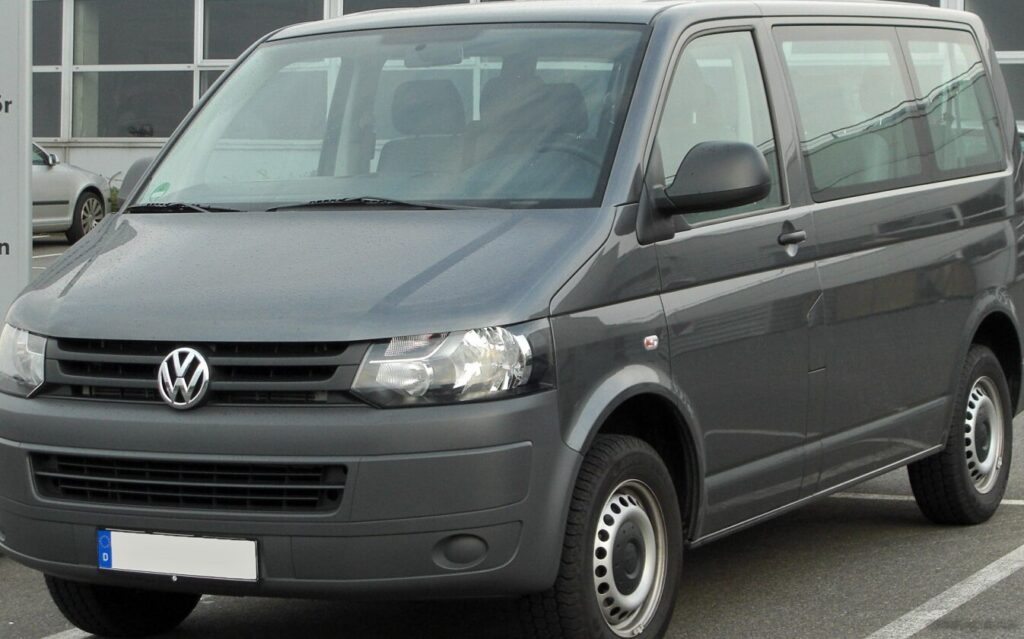
The Volkswagen Transporter (T5) facelift, produced from 2009 to 2015, represented a significant update to the fifth generation of Volkswagen’s popular commercial vehicle. Within this generation, the Kombi variant offered a blend of cargo capacity and passenger comfort, catering to both commercial and family needs. The 2.0 TSI (150 hp) L2H1, introduced in 2012, was a mid-range offering, positioned above the base diesel models but below the more powerful and often more expensive higher-output TSI and TDI versions. The “L2H1” designation refers to the vehicle’s body length (L2 – long wheelbase) and roof height (H1 – standard roof). This specific configuration aimed to provide a balance of practicality, performance, and fuel efficiency for a broad range of users.
Powertrain & Engine Architecture
The heart of the Transporter Kombi 2.0 TSI L2H1 is the EA888 series 2.0-liter turbocharged four-cylinder gasoline engine, specifically the CJKB engine code. This engine is a direct-injection, turbocharged powerplant designed for both performance and efficiency. The EA888 family had undergone several revisions by 2012, and the CJKB variant featured improvements to the turbocharger, fuel injection system, and thermal management. The engine utilizes a sophisticated direct injection system, injecting fuel directly into the combustion chamber for precise control and improved fuel economy. It also features a double overhead camshaft (DOHC) valvetrain with four valves per cylinder, optimizing airflow for increased power output. The turbocharger, coupled with an intercooler, forces more air into the engine, boosting horsepower and torque.
The 2.0 TSI engine in this application produces 150 horsepower at 3750-6000 rpm and 280 Nm (206.52 lb-ft) of torque between 1500-3750 rpm. This power is delivered to the front wheels through a six-speed manual transmission. While an automatic transmission was available on some T5 models, the 150 hp TSI was primarily offered with the manual gearbox. The six-speed configuration provides a good balance between fuel efficiency and responsiveness, allowing the engine to operate within its optimal torque band during typical driving conditions.
Fuel Injection and Turbocharging
The CJKB engine employs a multi-hole direct injection system, allowing for precise fuel atomization and optimized combustion. The turbocharger is a single-scroll unit, designed to minimize turbo lag and provide a more immediate power response. The intercooler, positioned between the turbocharger and the intake manifold, cools the compressed air, increasing its density and further enhancing engine performance. These components work in concert to deliver a smooth and responsive driving experience.
Driving Characteristics
The 2.0 TSI 150 hp Transporter Kombi L2H1 offered a noticeable step up in performance compared to the base diesel models. While not as quick as the higher-output TSI variants, it provided ample power for everyday driving, even when fully loaded. The six-speed manual transmission allowed drivers to effectively utilize the engine’s torque band, providing good acceleration and passing power. The front-wheel-drive configuration offered predictable handling, although traction could be limited in slippery conditions, especially with a heavy load. The gear ratios were tuned for a balance of fuel economy and usability, with a relatively tall sixth gear for highway cruising.
Compared to the 1.9 TDI and 2.5 TDI diesel engines commonly found in the T5, the 2.0 TSI offered a smoother and more refined driving experience. The gasoline engine was quieter and produced less vibration than the diesels. However, the TSI engine’s fuel economy was generally lower than that of the diesel alternatives, particularly in urban driving. The 2.0 TSI also lacked the low-end torque of the diesel engines, requiring drivers to downshift more frequently when climbing hills or accelerating from low speeds.
Equipment & Trim Levels
The Transporter Kombi 2.0 TSI L2H1 typically came standard with features such as power windows, power steering, central locking, and an adjustable steering column. Interior upholstery was typically cloth, with durable and practical materials used throughout the cabin. The dashboard layout was functional and straightforward, with easy-to-read gauges and controls. The Kombi configuration offered versatile seating arrangements, with options for multiple rows of seats and various configurations to accommodate passengers and cargo.
Optional extras included air conditioning, a radio/CD player, alloy wheels, parking sensors, and upgraded interior trim. Higher trim levels offered additional features such as cruise control, heated seats, and a multi-function steering wheel. The L2H1 body style provided a generous cargo area behind the rear seats, making it suitable for both commercial and recreational use.
Chassis & Braking
The Transporter T5 utilized an independent suspension system on both the front and rear axles. The front suspension featured McPherson struts with coil springs and an anti-roll bar, while the rear suspension employed a trailing arm configuration with coil springs and a transverse stabilizer. This setup provided a comfortable ride and good handling characteristics. The braking system consisted of ventilated discs on all four wheels, providing ample stopping power. Anti-lock Braking System (ABS) was standard, enhancing safety and control during emergency braking situations.
The curb weight of the 2.0 TSI L2H1 was approximately 1881 kg (4146.9 lbs). The suspension was tuned to accommodate this weight, providing a stable and controlled ride even when the vehicle was fully loaded. The steering system was a hydraulic rack and pinion setup, offering precise and responsive steering feel.
Market Reception & Comparison
The 2.0 TSI 150 hp Transporter Kombi L2H1 was generally well-received by critics and consumers alike. It was praised for its smooth engine, responsive handling, and versatile interior. However, some reviewers noted that the fuel economy was not as competitive as that of the diesel alternatives. Compared to the higher-output TSI variants, the 150 hp version offered a more affordable entry point into the TSI range, making it an attractive option for budget-conscious buyers. In terms of reliability, the EA888 engine family had a generally good reputation, although some owners reported issues with carbon buildup on the intake valves over time.
Technical Specifications
| Brand | Volkswagen |
| Model | Transporter |
| Generation | Transporter (T5, facelift 2009) Kombi |
| Type | 2.0 TSI (150 Hp) L2H1 |
| Start of production | 2012 |
| End of production | 2015 |
| Engine | EA888 / CJKB |
| Displacement | 1984 cm3 (121.07 cu. in.) |
| Cylinders | 4, Inline |
| Power | 150 Hp @ 3750-6000 rpm |
| Torque | 280 Nm @ 1500-3750 rpm (206.52 lb.-ft.) |
| Fuel Consumption (Urban) | 12.8 l/100 km (18.4 US mpg, 22.1 UK mpg) |
| Fuel Consumption (Extra Urban) | 7.8 l/100 km (30.2 US mpg, 36.2 UK mpg) |
| Fuel Consumption (Combined) | 9.6 l/100 km (24.5 US mpg, 29.4 UK mpg) |
| CO2 Emissions | 224 g/km |
| Acceleration 0-100 km/h | 11.5 sec |
| Maximum Speed | 180 km/h (111.85 mph) |
| Kerb Weight | 1881 kg (4146.9 lbs) |
| Max. Weight | 2800-3200 kg (6172.94 – 7054.79 lbs) |
| Fuel Tank Capacity | 80 l (21.13 US gal, 17.6 UK gal) |
| Transmission | 6-speed Manual |
Legacy
The Volkswagen Transporter T5 2.0 TSI L2H1 remains a popular choice in the used vehicle market. The EA888 engine, while requiring periodic maintenance such as intake valve cleaning, is generally considered reliable. The T5’s robust construction and versatile design contribute to its longevity. The 150 hp TSI variant offers a good balance of performance and affordability, making it an attractive option for buyers seeking a practical and reliable commercial vehicle or family van. Its continued presence on the road is a testament to the T5’s enduring appeal and Volkswagen’s reputation for building durable and well-engineered vehicles.