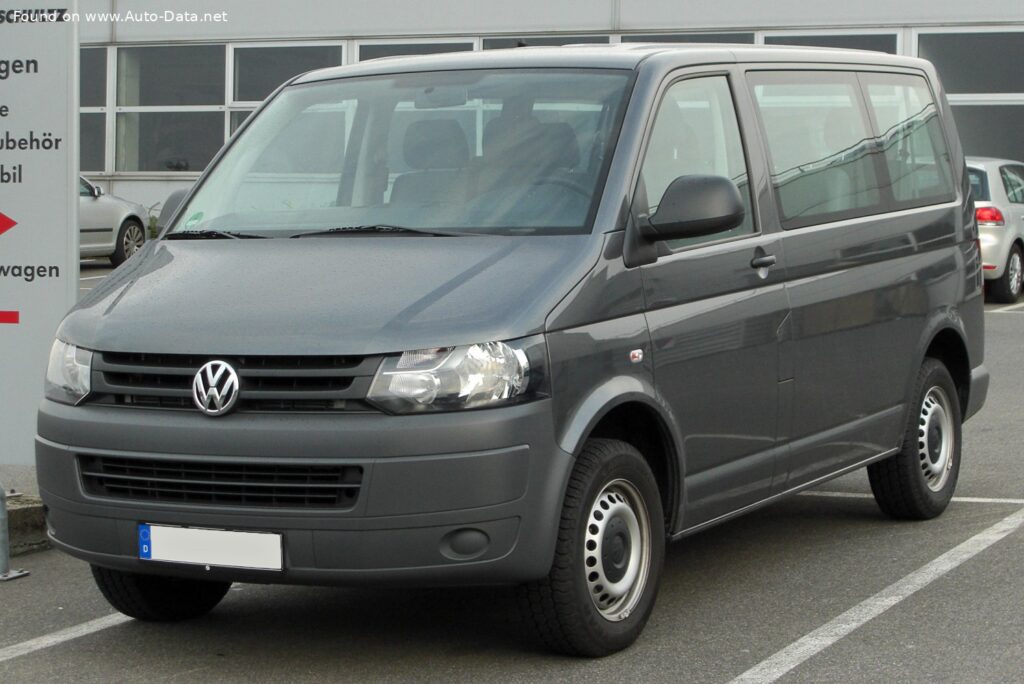
The Volkswagen Transporter (T5) facelift, produced from 2009 to 2015, represented a significant update to the fifth generation of Volkswagen’s popular commercial vehicle. Within the T5 range, the Kombi 2.0 TSI (204 hp) with a 7-speed Dual Clutch Gearbox (DSG) and L1H1 configuration (standard wheelbase, standard roof height) occupied a mid-to-upper position in the lineup. Introduced in 2011, this variant aimed to provide a blend of performance, practicality, and comfort for both commercial and passenger use, appealing to those needing more power than the base diesel engines but seeking a more refined driving experience than the more utilitarian models.
Powertrain & Engine Architecture
The heart of the Transporter Kombi 2.0 TSI was the EA888 engine, specifically the CJKA variant. This 1,984 cc (121.07 cu. in.) inline-four cylinder engine utilized direct fuel injection and a turbocharger with an intercooler to produce 204 horsepower at 4,200-6,000 rpm and 350 Nm (258.15 lb-ft) of torque between 1,500 and 4,000 rpm. The engine featured a dual overhead camshaft (DOHC) valvetrain with four valves per cylinder, contributing to its responsive nature. The 9.8:1 compression ratio was a compromise between performance and the ability to run on readily available gasoline fuels.
The CJKA engine was a notable departure from the traditionally diesel-focused Transporter lineup. It represented Volkswagen’s move towards offering gasoline alternatives, particularly in markets where gasoline was more prevalent or where emissions regulations favored gasoline engines. The direct injection system allowed for precise fuel delivery, optimizing combustion efficiency and reducing emissions. The turbocharger provided a significant boost in power output, making the 2.0 TSI a considerably more potent option than the naturally aspirated or smaller turbocharged engines available in other T5 models.
Paired with the engine was the 7-speed DSG (Direct-Shift Gearbox). This dual-clutch transmission offered quick, smooth gear changes and contributed to the vehicle’s overall performance and fuel efficiency. The DSG automatically managed gear selection, optimizing engine speed for the driving conditions. The transmission’s programming was tuned to balance performance with fuel economy, providing a comfortable and efficient driving experience for everyday use.
Engine Specifications
The EA888 CJKA engine was known for its relatively robust design, but required regular maintenance, including oil changes with the correct specification (typically a synthetic oil meeting VW standards). The timing chain, while generally reliable, was an area to monitor for potential wear over high mileage.
Driving Characteristics
The 204 hp 2.0 TSI engine transformed the driving experience of the Transporter. Compared to the more common 2.0 TDI diesel variants, the TSI offered a noticeably more responsive and refined power delivery. Acceleration from 0-100 km/h (0-62 mph) took approximately 8.7 seconds, and 0-60 mph was achieved in around 8.3 seconds – significantly quicker than the diesel counterparts. The DSG transmission further enhanced the driving experience, providing seamless gear changes and allowing the engine to remain in its optimal power band.
While the diesel engines excelled in fuel economy and low-end torque, the TSI prioritized performance. The power delivery was more linear and eager, making overtaking and highway cruising easier and more enjoyable. The DSG transmission’s gear ratios were optimized for both acceleration and fuel efficiency, providing a good balance between the two. However, the TSI engine did require higher octane fuel (typically 91 or 93 octane) to achieve its full performance potential.
Equipment & Trim Levels
The Kombi trim level, in general, offered a more passenger-focused interior compared to the base panel van. The 2.0 TSI variant typically included features such as air conditioning, power windows, power mirrors, and a basic audio system. Interior upholstery was typically cloth, although leather options were available as upgrades. The dashboard layout was functional and straightforward, prioritizing practicality and ease of use.
Optional extras for the 2.0 TSI Kombi included features like a touchscreen infotainment system with navigation, parking sensors, alloy wheels, upgraded seating, and various driver assistance systems. The level of equipment varied depending on the specific market and customer preferences. The Kombi configuration allowed for flexible seating arrangements, typically accommodating between 4 and 9 passengers, making it suitable for both commercial and family use.
Chassis & Braking
The Transporter T5 utilized an independent suspension setup on both the front and rear axles. The front suspension employed a McPherson strut design with coil springs and an anti-roll bar, while the rear suspension featured a trailing arm configuration with coil springs and a transverse stabilizer. This suspension setup provided a comfortable ride quality and decent handling characteristics, considering the vehicle’s size and weight.
Braking duties were handled by ventilated discs on all four wheels, providing ample stopping power. The Transporter was equipped with ABS (Anti-lock Braking System) as standard, enhancing safety and stability during emergency braking situations. The hydraulic power steering provided a responsive and precise steering feel. Tire sizes varied depending on the trim level and optional equipment, with common sizes including 215/60 R17, 235/55 R17, and 255/45 R18.
Market Reception & Comparison
The 2.0 TSI Kombi received mixed reviews. Critics praised its performance and refined driving experience, noting its significant improvement over the diesel variants in terms of responsiveness and smoothness. However, the higher fuel consumption compared to the diesel engines was a common criticism. The TSI also tended to be more expensive to purchase and maintain than the diesel models.
Compared to other trims in the T5 lineup, the 2.0 TSI Kombi appealed to a different type of buyer. While the diesel models were favored by those prioritizing fuel economy and low-cost operation, the TSI attracted customers who valued performance and a more engaging driving experience. It was often chosen by those who used the Transporter for both work and leisure, needing a vehicle that could handle both tasks with ease.
Technical Specifications
| Brand | Volkswagen |
| Model | Transporter |
| Generation | Transporter (T5, facelift 2009) Kombi |
| Type | 2.0 TSI (204 Hp) DSG L1H1 |
| Start of production | 2011 |
| End of production | 2015 |
| Engine | EA888 / CJKA |
| Engine Displacement | 1984 cm3 (121.07 cu. in.) |
| Number of Cylinders | 4, Inline |
| Power | 204 Hp @ 4200-6000 rpm |
| Torque | 350 Nm @ 1500-4000 rpm (258.15 lb.-ft.) |
| Fuel Consumption (Urban) | 13.2 l/100 km (17.8 US mpg, 21.4 UK mpg) |
| Fuel Consumption (Extra Urban) | 7.8 l/100 km (30.2 US mpg, 36.2 UK mpg) |
| Fuel Consumption (Combined) | 9.8 l/100 km (24 US mpg, 28.8 UK mpg) |
| CO2 Emissions | 228 g/km |
| Acceleration 0-100 km/h | 8.7 sec |
| Maximum Speed | 200 km/h (124.27 mph) |
| Kerb Weight | 1881 kg (4146.9 lbs.) |
| Fuel Tank Capacity | 80 l (21.13 US gal, 17.6 UK gal) |
| Transmission | 7-speed DSG |
Legacy
The 2.0 TSI engine in the T5 Transporter, while not as ubiquitous as the diesel variants, offered a compelling alternative for those seeking a more performance-oriented vehicle. The CJKA engine, when properly maintained, proved to be relatively reliable. However, like all turbocharged engines, it was susceptible to issues related to turbocharger wear and potential oil consumption over time.
In the used car market, the 2.0 TSI Kombi models tend to command a slightly higher price than their diesel counterparts, reflecting their increased performance and desirability among enthusiasts. They remain a popular choice for those who appreciate a more refined and engaging driving experience in a practical and versatile vehicle. The combination of performance, practicality, and the robust build quality of the T5 platform ensures that these models continue to be sought after by both commercial and private buyers.