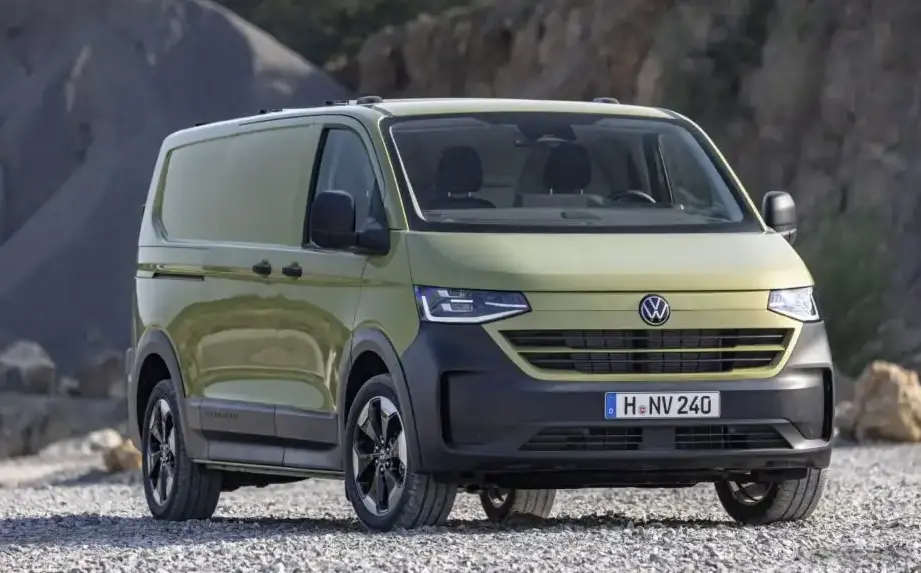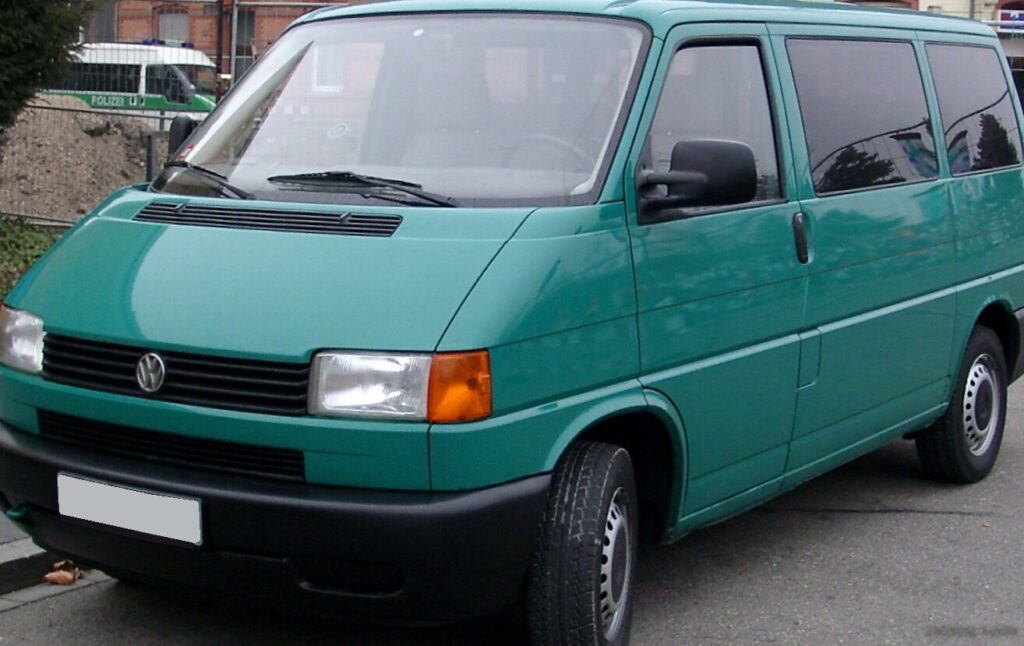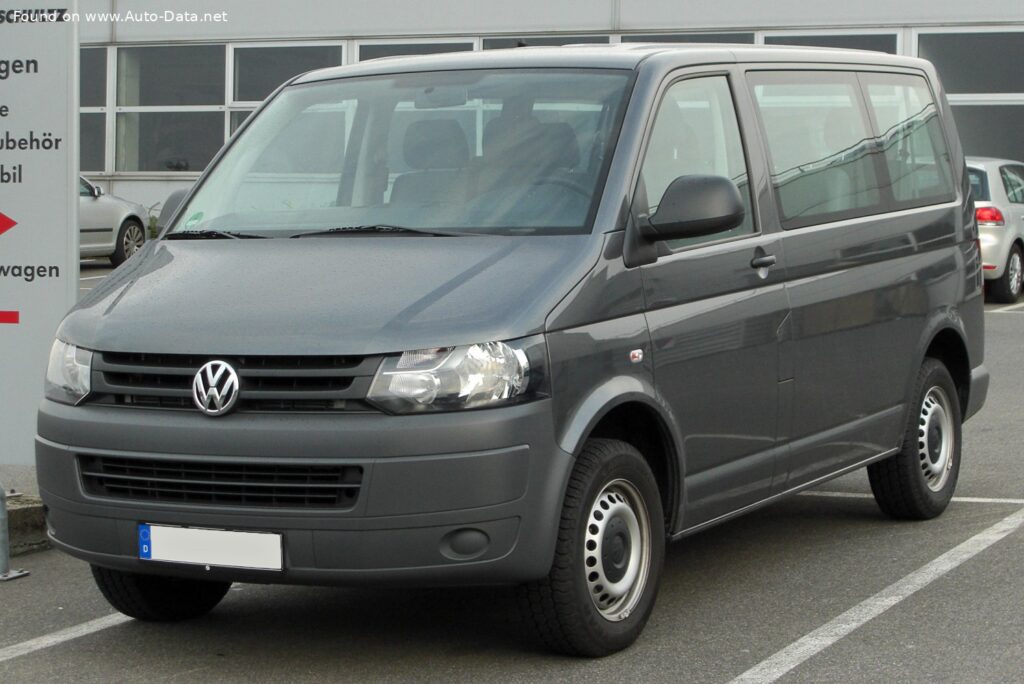
The Volkswagen Transporter (T5) facelift, produced from 2009 to 2015, represented a significant update to the fifth generation of Volkswagen’s popular commercial vehicle. Within the T5 range, the Kombi 2.0 TSI (204 hp) with a 7-speed Dual Clutch Gearbox (DSG) and L2H3 body configuration – a long wheelbase and high roof – occupied a mid-to-upper position in the lineup. Introduced in 2011, this variant aimed to provide a blend of performance, practicality, and comfort for both commercial and passenger applications. The T5 platform, also known as the 1HX0/A3 platform, underpinned not only the Transporter but also the Volkswagen Multivan and Caravelle, offering a versatile base for various body styles and configurations.
2.0 TSI Powertrain & Engine Architecture
The heart of the Kombi 2.0 TSI L2H3 is the EA888 series engine, specifically the CJKA engine code. This is a 1.984-liter (121.07 cubic inches) inline-four cylinder gasoline engine featuring direct fuel injection and a turbocharger with an intercooler. The engine produces 204 horsepower at 4200-6000 rpm and 350 Nm (258.15 lb-ft) of torque between 1500-4000 rpm. This output represents a substantial increase in power compared to the naturally aspirated and diesel engine options available in the T5 range.
The EA888 engine utilizes a dual overhead camshaft (DOHC) valvetrain with four valves per cylinder, optimizing gas flow for improved performance. The direct injection system precisely meters fuel into the combustion chamber, enhancing efficiency and reducing emissions. The turbocharger, coupled with the intercooler, forces more air into the engine, boosting power output. The 7-speed DSG transmission is a crucial component of this variant. It’s a dual-clutch automated manual transmission that offers both the efficiency of a manual gearbox and the convenience of an automatic. The DSG provides quick and smooth gear changes, contributing to the vehicle’s responsive driving experience. The transmission’s gear ratios are tuned to balance acceleration and fuel economy, with a final drive ratio optimized for highway cruising and load-carrying capability.
Fuel Injection and Valvetrain Details
The direct injection system employed in the CJKA engine is a significant advancement over older port fuel injection systems. It allows for more precise control over fuel delivery, resulting in improved combustion efficiency and reduced emissions. The DOHC valvetrain, with its four valves per cylinder, maximizes airflow into and out of the engine, contributing to higher power output. Variable valve timing is also incorporated, further optimizing engine performance across a wider range of engine speeds.
Driving Characteristics
The 2.0 TSI engine and DSG transmission combination in the Transporter Kombi L2H3 delivers a noticeably more spirited driving experience compared to lower-powered variants. Acceleration from 0-100 km/h (0-62 mph) takes approximately 9 seconds, and 0-60 mph is achieved in around 8.6 seconds. While not a sports car, this performance is more than adequate for a commercial vehicle, especially when carrying a moderate load. The DSG transmission provides seamless gear changes, eliminating the torque interruption often associated with traditional automatic transmissions. This results in a smoother and more refined driving experience.
Compared to the 1.9 TDI diesel engine, the 2.0 TSI offers quicker acceleration and a more responsive feel. However, the diesel engine typically provides superior fuel economy and higher low-end torque, making it better suited for heavy-duty towing and hauling. Compared to the naturally aspirated gasoline engines, the TSI variant offers a significant power advantage, making it more capable on inclines and when fully loaded. The long wheelbase (L2) and high roof (H3) configuration contribute to a stable and comfortable ride, even with a full passenger or cargo complement.
Equipment & Trim Levels
The Kombi trim level, in general, positioned itself as a versatile option bridging the gap between the basic panel van and the more luxurious Multivan. Standard equipment on the 2.0 TSI L2H3 typically included features such as air conditioning, power windows, power mirrors, a CD/radio system, and basic safety equipment like ABS and driver/passenger airbags. The interior typically featured durable cloth upholstery and a functional dashboard layout. The L2H3 body style provided ample space for passengers and cargo, with the high roof allowing for comfortable standing room for most adults.
Optional extras available for this trim included features like alloy wheels, upgraded audio systems, navigation systems, parking sensors, cruise control, and heated seats. Many vehicles were also equipped with additional safety features such as electronic stability control (ESC) and traction control. The Kombi configuration often featured multiple seating arrangements, allowing for configurations ranging from a driver and passenger to up to nine occupants.
Chassis & Braking
The Transporter T5 utilizes an independent suspension setup on both the front and rear axles. The front suspension employs a McPherson strut design with coil springs and an anti-roll bar, while the rear suspension features a trailing arm configuration with coil springs and a transverse stabilizer. This suspension setup provides a good balance between ride comfort and handling. The braking system consists of ventilated discs on all four wheels, providing ample stopping power even when the vehicle is heavily loaded. The front brakes measure 340×32.5 mm, while the rear brakes are 294×22 mm. ABS (Anti-lock Braking System) is standard, enhancing braking performance and stability in emergency situations.
The steering system is a hydraulic power steering rack and pinion, providing precise and responsive steering feel. The tires are typically sized 215/60 R17, 235/55 R17, or 255/45 R18, depending on the wheel size and trim level.
Market Reception & Comparison
The 2.0 TSI engine in the Transporter T5 was generally well-received by critics for its performance and refinement. It offered a compelling alternative to the diesel engines, particularly for those who preferred the smoother power delivery and quieter operation of a gasoline engine. However, fuel economy was a common criticism, as the TSI engine typically consumed more fuel than the equivalent diesel model. Reliability was generally good, although some owners reported issues with the turbocharger and DSG transmission. Compared to other trims in the T5 lineup, the 2.0 TSI L2H3 offered a premium driving experience but came at a higher price point.
Technical Specifications
| Brand | Volkswagen |
| Model | Transporter |
| Generation | Transporter (T5, facelift 2009) Kombi |
| Type | 2.0 TSI (204 Hp) DSG L2H3 |
| Start of production | 2011 |
| End of production | 2015 |
| Engine | EA888 / CJKA |
| Displacement | 1984 cm3 (121.07 cu. in.) |
| Power | 204 Hp @ 4200-6000 rpm |
| Torque | 350 Nm @ 1500-4000 rpm (258.15 lb.-ft.) |
| Fuel Consumption (Urban) | 13.4 l/100 km (17.6 US mpg, 21.1 UK mpg) |
| Fuel Consumption (Extra Urban) | 8.4 l/100 km (28 US mpg, 33.6 UK mpg) |
| Fuel Consumption (Combined) | 10.2 l/100 km (23.1 US mpg, 27.7 UK mpg) |
| CO2 Emissions | 238 g/km |
| Acceleration 0-100 km/h | 9 sec |
| Maximum Speed | 185 km/h (114.95 mph) |
| Kerb Weight | 1881 kg (4146.9 lbs.) |
| Max. Weight | 2800-3200 kg (6172.94 – 7054.79 lbs.) |
| Fuel Tank Capacity | 80 l (21.13 US gal, 17.6 UK gal) |
| Transmission | 7-speed DSG |
| Drive | Front Wheel Drive |
Legacy
The 2.0 TSI engine and DSG transmission combination in the Volkswagen Transporter T5 remains a relatively sought-after configuration in the used car market. While the diesel variants are often preferred for their fuel economy, the TSI offers a more refined and enjoyable driving experience. The EA888 engine, in general, is known for its durability and tunability, making it a popular choice for enthusiasts. However, potential buyers should be aware of the potential for issues with the turbocharger and DSG transmission, and regular maintenance is crucial to ensure long-term reliability. The T5 platform as a whole has proven to be robust and versatile, and well-maintained examples continue to provide reliable service for both commercial and private users.